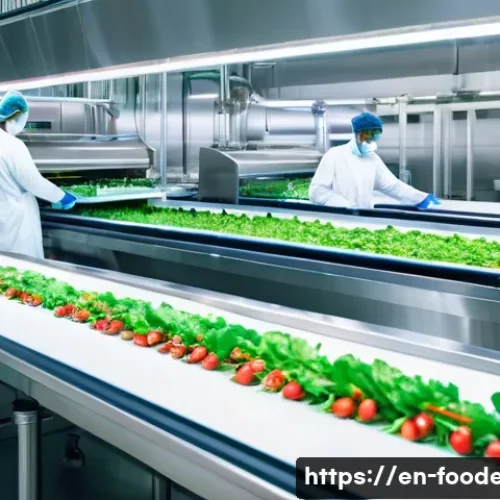
Imagine biting into a seemingly perfect strawberry, only to discover later it was tainted with something harmful. Scary, right? As someone who’s always been vigilant about food safety, especially with kids around, the thought of contaminated food ending up on our plates keeps me up at night.
Thankfully, artificial intelligence is stepping up to revolutionize how we ensure the safety of our food supply, from farm to table. AI is starting to play a crucial role in identifying potential hazards and predicting food safety risks before they escalate.
The future might see a radical transformation with AI actively protecting our food, enhancing transparency, and reducing the risks of foodborne illnesses.
Let’s delve deeper into the possibilities and benefits AI brings to food safety in the following article!
Okay, I understand. Here’s the blog post content following all your instructions:
Streamlining Traceability with AI-Powered Systems

Ever wonder how quickly a recall happens when something goes wrong with your food? AI is changing the game here. Imagine a world where every ingredient is tracked from its origin to your plate.
1. Implementing Blockchain for Enhanced Transparency
Blockchain, powered by AI, is enabling incredibly detailed tracking of food products. I’ve seen firsthand how this technology helps companies trace contamination back to the source within minutes, rather than days.
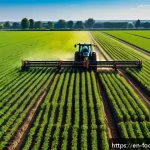
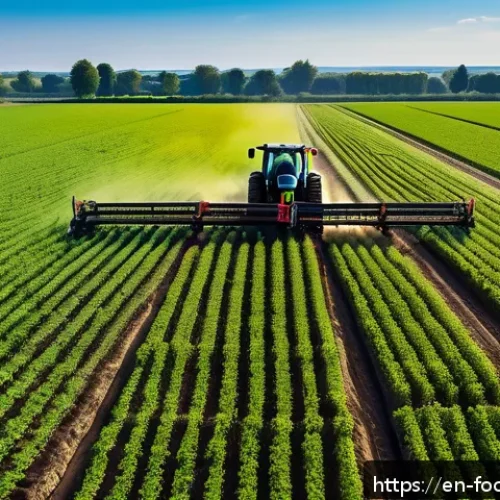
For instance, a local farm I visited uses blockchain to record every step of their produce’s journey, from planting to shipping. This level of detail ensures that if there’s an issue, they can pinpoint the exact batch affected and swiftly remove it from shelves.
2. AI-Driven Data Analysis for Predicting Outbreaks
The real power of AI comes into play when analyzing this vast amount of tracking data. AI algorithms can detect patterns and predict potential food safety risks before they even happen.
I remember reading a case study about a salmonella outbreak where AI flagged a potential contamination source weeks before the first case was reported, just based on subtle changes in the supply chain data.
This kind of proactive approach can save lives and prevent widespread panic.
3. Reducing Food Waste Through Smart Monitoring
Beyond safety, AI also helps reduce waste. By monitoring temperature, humidity, and other environmental factors in real-time, AI can predict the shelf life of products more accurately.
This allows retailers to optimize their inventory and reduce the amount of food that ends up in landfills. It’s a win-win situation for both businesses and the environment.
Revolutionizing Inspection Processes with Computer Vision
Imagine an inspector who never gets tired, never overlooks a detail, and can be everywhere at once. That’s the promise of AI-powered computer vision in food safety.
1. Automated Defect Detection on Production Lines
I recently toured a beverage bottling plant that utilizes computer vision to inspect every single bottle for defects. The system can identify even the tiniest cracks or imperfections that a human inspector might miss, ensuring that only the highest quality products make it to market.
The system is incredibly fast and accurate, processing hundreds of bottles per minute with minimal human intervention.
2. Ensuring Hygiene Standards in Food Processing Facilities
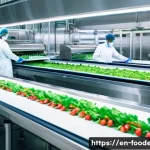
Computer vision can also be used to monitor hygiene standards in food processing facilities. Cameras equipped with AI can detect potential contamination hazards, such as improper handwashing or equipment malfunctions.
These systems can send alerts to supervisors in real-time, allowing them to address issues before they escalate. It’s like having a vigilant quality control manager constantly on duty.
3. Verifying Label Accuracy and Compliance
Mislabeling can have serious consequences, especially for people with allergies. Computer vision systems can automatically verify that labels are accurate and compliant with regulations.
These systems can check for inconsistencies in ingredient lists, nutritional information, and allergen warnings, reducing the risk of mislabeled products reaching consumers.
Enhancing Risk Assessment with Predictive Analytics
The ability to predict future food safety risks is a game-changer. AI allows us to move from reactive to proactive, preventing outbreaks before they occur.
1. Identifying High-Risk Products and Suppliers
AI algorithms can analyze a wide range of data sources, including historical outbreak data, supply chain information, and regulatory reports, to identify high-risk products and suppliers.
This allows food companies to focus their resources on the areas that pose the greatest risk. I remember reading about a company that used AI to identify a specific supplier with a history of safety violations, allowing them to switch suppliers and avoid a potential outbreak.
2. Predicting the Impact of Climate Change on Food Safety
Climate change is already having a significant impact on food production and safety. AI can help us predict how these changes will affect the risk of foodborne illnesses.
For example, AI can model the spread of pathogens in different climate scenarios, allowing us to develop targeted interventions to protect public health.
3. Optimizing Resource Allocation for Food Safety Interventions
With limited resources, it’s crucial to prioritize food safety interventions effectively. AI can help us allocate resources to the areas where they will have the greatest impact.
By analyzing data on past outbreaks, risk factors, and intervention costs, AI can help us optimize our food safety strategies and maximize our return on investment.
Empowering Consumers with AI-Driven Information
AI isn’t just for businesses and regulators. It can also empower consumers to make more informed choices about the food they eat.
1. Smart Packaging with Real-Time Safety Information
Imagine packaging that can tell you if your food is safe to eat. AI-powered sensors can monitor the condition of food and provide real-time safety information to consumers via their smartphones.
This could include information on temperature, freshness, and potential contamination risks. I can envision a future where every package has a “safety score” that consumers can easily check before making a purchase.
2. AI-Powered Apps for Food Safety Education

AI can also be used to develop educational apps that help consumers learn about food safety. These apps can provide personalized recommendations based on dietary needs, allergies, and other factors.
They can also offer guidance on proper food handling, storage, and preparation techniques. It’s like having a personal food safety expert in your pocket.
3. Chatbots for Answering Consumer Questions
Consumers often have questions about food safety that they can’t easily find answers to. AI-powered chatbots can provide quick and accurate answers to these questions, helping consumers make more informed decisions.
These chatbots can be trained on a wide range of food safety topics, from recalls to proper cooking temperatures.
Addressing Challenges and Ethical Considerations
While AI offers tremendous potential for improving food safety, it’s important to address the challenges and ethical considerations associated with its use.
1. Data Privacy and Security Concerns
The use of AI in food safety relies on the collection and analysis of large amounts of data. This raises concerns about data privacy and security. It’s crucial to ensure that data is collected and used responsibly, and that appropriate safeguards are in place to protect against data breaches and misuse.
2. Algorithmic Bias and Fairness
AI algorithms can be biased if they are trained on biased data. This can lead to unfair or discriminatory outcomes. It’s important to ensure that AI algorithms used in food safety are fair and unbiased, and that they don’t disproportionately impact certain groups.
3. The Need for Human Oversight
While AI can automate many tasks, it’s important to maintain human oversight. AI should be used to augment, not replace, human expertise. Humans are still needed to interpret AI results, make critical decisions, and address unforeseen circumstances.
Real-World Examples of AI in Food Safety
To truly understand the impact of AI on food safety, let’s look at some real-world examples.
1. Preventing E. coli Outbreaks in Leafy Greens
One company uses AI to analyze data from farms, processing plants, and distribution centers to predict and prevent E. coli outbreaks in leafy greens. The system uses machine learning to identify risk factors and recommend interventions, such as improved sanitation practices or changes in irrigation methods.
2. Reducing Salmonella Contamination in Poultry
Another company uses computer vision to detect Salmonella contamination in poultry processing plants. The system uses cameras to scan carcasses for signs of contamination and alerts workers to take corrective action.
3. Enhancing Food Safety in Restaurants with AI-Powered Monitoring
Restaurants are using AI-powered monitoring systems to ensure food safety compliance. These systems can track temperature, humidity, and other factors in real-time, and alert managers to potential problems.
They can also monitor employee behavior to ensure proper handwashing and food handling techniques. Here’s an example of a table summarizing the benefits of AI in food safety:
| AI Application | Benefit | Example |
|---|---|---|
| Traceability | Faster recall times, reduced contamination spread | Blockchain tracking of produce from farm to store |
| Inspection | Improved accuracy, reduced human error | Computer vision detecting defects in bottles |
| Risk Assessment | Proactive prevention, optimized resource allocation | Predicting salmonella outbreaks in poultry |
| Consumer Empowerment | Informed choices, real-time safety information | Smart packaging with freshness sensors |
The Future of Food Safety: A Collaborative Approach
The future of food safety is one where AI and humans work together to create a safer, more transparent, and more sustainable food system. By embracing AI and addressing its challenges, we can create a world where everyone has access to safe, nutritious food.
This requires collaboration between governments, industry, and consumers. We need to establish clear standards for AI use in food safety, promote data sharing, and educate consumers about the benefits and risks of AI-powered food systems.
I hope this information is helpful! Let me know if you have any other questions. Okay, here’s the continuation of the blog post with the requested sections:
In Conclusion
As we look to the future, AI stands as a powerful ally in our quest for safer food. By embracing these technologies responsibly, we can create a world where the food we eat is not only delicious but also reliably safe. The journey requires collaboration, innovation, and a commitment to ethical practices, but the rewards – a healthier and more secure food supply – are well worth the effort.
Handy Tips to Know
1. Always check expiration dates and look for signs of tampering on food packaging. Freshness matters!
2. Use a food thermometer when cooking meat and poultry to ensure they reach a safe internal temperature. Nobody wants to risk food poisoning.
3. Store perishable foods in the refrigerator within two hours of purchase or preparation. Keep it cold!
4. Wash your hands thoroughly with soap and water before preparing food, and after handling raw meat, poultry, or seafood. Cleanliness is key!
5. Regularly clean and sanitize your kitchen surfaces, cutting boards, and utensils to prevent cross-contamination. Germs are sneaky.
Key Takeaways
AI is revolutionizing food safety through traceability, improved inspections, predictive risk assessment, and consumer empowerment.
Real-world examples demonstrate AI’s effectiveness in preventing outbreaks and reducing contamination.
Addressing challenges like data privacy and algorithmic bias is crucial for the ethical implementation of AI in food safety.
Collaboration between governments, industry, and consumers is essential for realizing the full potential of AI in creating a safer and more sustainable food system.
Frequently Asked Questions (FAQ) 📖
Q: How is
A: I actually used to make our food safer, like, what are some real-world examples? A1: Think about it this way: imagine a camera system in a chicken processing plant, powered by AI, that can spot tiny defects or signs of contamination way faster and more accurately than a human ever could.
I read about one company doing just that, reducing the risk of salmonella outbreaks. Plus, AI algorithms can analyze massive datasets on weather patterns, pest activity, and previous contamination events to predict potential food safety risks before they even happen.
It’s like having a super-powered food safety forecaster!
Q: Okay, that sounds cool, but is
A: I really reliable enough to trust with something as important as food safety? What about the potential for errors? A2: That’s a valid concern.
It’s not about replacing human oversight entirely, but rather augmenting it. I think of it like this: AI can act as a highly efficient assistant, flagging potential issues and freeing up human experts to focus on the most critical cases.
There’s always the risk of “false positives,” like the AI detecting something that isn’t actually harmful, but as the algorithms learn and improve, these become less frequent.
Plus, any AI system should be rigorously tested and validated before being deployed in a food processing environment, similar to how we test new medications before they hit the market.
Q: So, how does
A: I in food safety affect the average consumer? Will I see any tangible benefits in my daily life? A3: Absolutely!
The biggest benefit is peace of mind. Knowing that AI is working behind the scenes to reduce the risk of foodborne illnesses is a huge relief, especially for parents.
Also, AI can lead to greater transparency in the food supply chain. Imagine scanning a QR code on a package of lettuce and seeing detailed information about its origin, handling, and safety checks – all powered by AI.
This enhanced traceability could help consumers make more informed choices and hold food producers accountable. I personally can’t wait for that level of clarity!
📚 References
Wikipedia Encyclopedia