Hey foodies! Ever stared at that ‘best by’ date on your groceries and wondered if your perfectly ripe avocado truly had another day left, or if it was secretly plotting to go bad the moment you turned your back?
I know I have! There’s nothing more frustrating than tossing out food that looked fine just yesterday, and let’s be honest, our wallets feel the pinch just as much as our hearts ache for the waste.
But what if I told you that groundbreaking technology is rapidly changing the game, allowing us to predict food quality with astonishing accuracy from farm to fork?
Imagine a world where every ingredient in your fridge is monitored, its freshness guaranteed, minimizing waste and giving your grocery budget a whole new lease on life.
This isn’t just a futuristic fantasy anymore, folks – it’s happening right now, powered by incredible innovations that are set to revolutionize how we eat.
Ready to dive into how these brilliant food quality prediction models are shaping our future? Let’s explore this thoroughly!
Unmasking the Mystery: What Exactly *Is* Food Quality Prediction?

Okay, let’s cut to the chase. When we talk about food quality prediction, we’re not just guessing anymore. Remember those days of giving your milk a sniff test, or gently squeezing an avocado hoping for the best? Been there, done that, and honestly, sometimes it works, sometimes you end up with a brown, mushy mess! But imagine a world where algorithms and sensors do the heavy lifting for us, telling us with incredible precision how long that milk actually has, or if your berries will last until Saturday’s brunch. This isn’t science fiction, folks. It’s about leveraging incredible advancements in data science, AI, and smart sensing technologies to get a real-time, comprehensive understanding of our food’s journey from the moment it leaves the farm to the second it lands on our plates. I’ve personally been fascinated by how these technologies are evolving. Just last month, I found myself in a grocery store, pondering over a package of chicken. Usually, I’d just check the ‘use by’ date and hope for the best, but knowing that predictive models are becoming more mainstream gave me a newfound confidence that the store itself likely has a far better handle on its true freshness than that static label could ever convey. It’s like having a food scientist whispering in your ear, guiding your grocery choices and helping you avoid that dreaded post-purchase disappointment. This shift is monumental because it moves us from reactive spoilage management to proactive freshness assurance.
Beyond the ‘Best By’ Date: A Deep Dive into True Freshness
For years, those ‘best by’ and ‘sell by’ dates have been our guiding light, right? But let’s be real, they’re often conservative estimates, designed more for liability than actual food quality. How many times have you tossed something perfectly good because the date passed, or, conversely, eaten something a day after the date only to regret it? I know I’ve been on both sides of that fence! Modern food quality prediction goes way beyond these generic stamps. It delves into the actual biological and chemical processes happening within the food. Think about it: a banana ripens at a different rate depending on temperature, humidity, and even how it was handled during transport. These new models take all these dynamic variables into account, giving us a much more accurate, dynamic picture of freshness. It’s personalized nutrition and spoilage prevention for your groceries, a game-changer if you ask me!
The Tech Toolbox: Sensors, AI, and Big Data
So, how does this magic happen? It’s a fantastic blend of cutting-edge technologies working in harmony. We’re talking about advanced sensors that can detect gases released by ripening fruit, changes in color or texture too subtle for the human eye, or even the growth of certain microbes. Then, all this data is fed into powerful AI algorithms that learn patterns and make predictions. Imagine tiny, smart labels on your produce that could change color based on actual freshness, not just a printed date! It’s not just about one piece of tech, but a whole ecosystem. From hyperspectral imaging that “sees” spoilage before it’s visible, to blockchain for tracing a product’s entire journey, and even electronic noses that can “smell” early signs of decay. The sheer volume of data collected is immense, and AI is the brain that crunches it all, turning raw numbers into actionable insights. It’s truly mind-blowing what’s possible when these technologies combine forces, giving us an unprecedented level of control and understanding over our food.
From Farm to Fridge: How Tech Keeps Your Produce Perfect
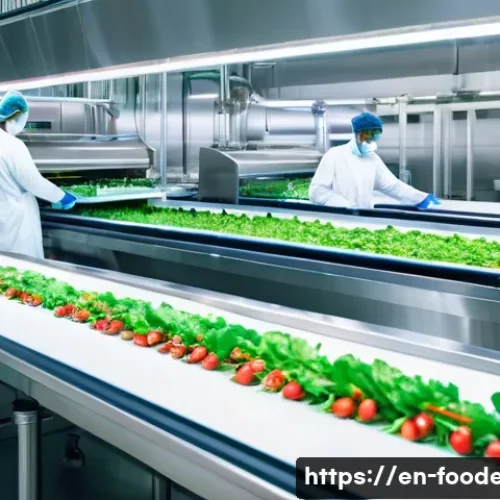
Have you ever picked up a gorgeous-looking heirloom tomato, only to find it’s mealy and bland once you cut into it? Or perhaps your crisp lettuce wilts far too quickly after a trip home from the market? I’ve certainly had my fair share of those disappointments, and it always makes me wonder what went wrong along the way. That’s where the real power of modern food quality prediction shines – it’s not just about what happens in your kitchen, but about optimizing every single step from the moment a seed is planted to when that item reaches your refrigerator. Imagine growers using predictive models to decide the exact optimal time for harvest, ensuring peak ripeness and flavor. Then, logistics companies employing smart sensors in their trucks to monitor temperature and humidity, rerouting shipments if conditions aren’t ideal to prevent spoilage. This holistic approach is revolutionizing the entire supply chain, transforming what was once a series of educated guesses into a data-driven, precision operation. It means fewer surprises, better quality, and ultimately, a more satisfying culinary experience for all of us. I truly believe that knowing your food has been cared for at every stage adds an extra layer of enjoyment and peace of mind.
Optimizing Harvest and Post-Harvest Handling
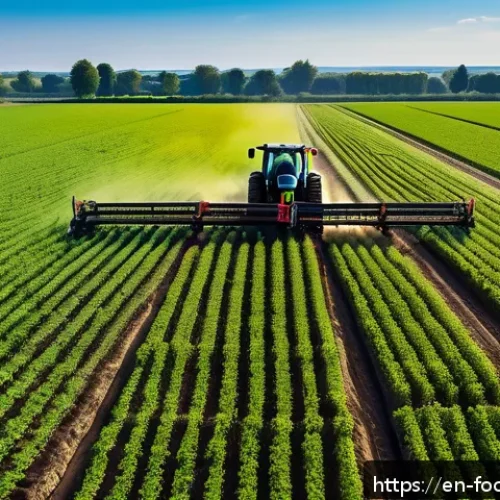
The journey to your plate begins long before you even see the food, and critical decisions made at the farm can make or break an item’s quality. Historically, harvesting was often based on traditional timing and visual inspection, which, while effective to a degree, left room for error. Now, things are getting seriously smart. Farmers are beginning to use predictive analytics that incorporate weather patterns, soil conditions, and even specific plant biometric data to determine the *perfect* harvesting window. This isn’t just about maximizing yield, it’s about capturing produce at its peak flavor and nutritional value. Once harvested, the careful handling continues. Think about delicate berries or leafy greens; rough handling or improper cooling can drastically reduce their shelf life. Advanced sensors monitor temperature and humidity in storage facilities and during transport, ensuring that the cold chain remains unbroken. Any deviation can be immediately flagged and corrected, preventing premature ripening or spoilage. I once saw a documentary where they showed how even a few degrees fluctuation during transport could cost a retailer thousands in spoiled produce – these technologies are literally saving tons of food from ending up in the bin.
Smart Logistics and Retail Shelf Life Extension
Once food leaves the farm, it embarks on a complex journey through warehouses, distribution centers, and eventually, to your local grocery store. This is where smart logistics come into play, armed with food quality prediction models. Imagine trucks equipped with environmental sensors that constantly relay data back to a central system. If a truck hits unexpected delays or experiences a refrigeration issue, the system can predict how that might impact the remaining shelf life of the produce inside. This allows for proactive measures, like rerouting the shipment to a closer store for immediate sale or adjusting pricing based on projected freshness. At the retail level, these models are a game-changer for inventory management. Stores can dynamically adjust pricing or promotions for items that are still perfectly good but have a shorter predicted remaining shelf life, minimizing waste and offering consumers great deals. I’ve noticed some local stores starting to do this with “flash sales” on produce that’s still fantastic but needs to move quickly. It’s a win-win: stores reduce waste, and we get delicious food at a discount. It’s a far cry from the old days of simply marking down items once they looked a bit sad.
Your Wallet’s Best Friend: Saving Cash with Smart Food Tech
Let’s be honest, we all feel the pinch when we have to toss food we just bought. I know I do! It’s not just the money wasted on the spoiled item itself, but the extra trip to the store and the frustration of having to replan a meal. Food waste is a massive problem, both for our individual budgets and on a global scale. In the U.S. alone, an estimated 30-40% of the food supply is wasted, a staggering figure that translates to billions of dollars annually. That’s money out of *your* pocket, money that could have gone towards something far more enjoyable! This is precisely where food quality prediction models come in as your new best friend. By accurately predicting an item’s true freshness, we can extend its usable life, reduce unnecessary purchases, and ensure that the food we buy actually gets eaten. Imagine buying a carton of eggs and knowing with certainty that they’ll be good for an extra week beyond the printed date, because a smart system has confirmed it. It’s not just about preventing spoilage; it’s about maximizing every dollar you spend on groceries, making your food budget stretch further than ever before. For me, anything that helps me avoid throwing out perfectly good produce is a huge win!
Cutting Down on Food Waste (and Your Grocery Bill!)
This is probably the most immediate and tangible benefit for us, the consumers. How many times have you thrown out a bag of spinach that turned slimy just a day after you bought it, or a block of cheese that developed mold unexpectedly? It’s infuriating, and it adds up! Food quality prediction models give us the power to drastically reduce this kind of waste. By knowing exactly how fresh an item is, and how long it’s *truly* expected to last, we can make smarter purchasing decisions. Maybe you’ll buy slightly less if you know you won’t get to it all before it spoils, or perhaps you’ll confidently buy that “day old” bread knowing the tech says it’s still good for another two days of delicious sandwiches. Think about the cumulative savings! If you save just a few dollars a week by preventing spoilage, that’s hundreds of dollars a year staying in your wallet instead of ending up in the trash. I’ve personally started paying more attention to stores that use these kinds of smart inventory systems, because I know I’m getting a more accurate picture of freshness, which helps me plan my meals and grocery runs far more efficiently.
Empowering Smart Shopping Decisions
Imagine walking into a grocery store and seeing more than just a static ‘best by’ date. What if shelves could indicate an item’s *actual* remaining shelf life, or even suggest recipes that utilize produce nearing its peak? That’s the kind of empowerment these models offer. With better information, we become savvier shoppers. We can confidently choose items that will last exactly as long as we need them to, avoiding that frantic race against the clock to consume everything before it goes bad. For instance, if you’re planning a big dinner party on Saturday, you might opt for the produce with the longest predicted shelf life. If you’re making a stew that night, you could grab something that’s still perfectly good but has a shorter remaining life, perhaps at a slight discount. This shifts the power back to the consumer, allowing us to align our purchases with our actual consumption patterns, leading to less waste and more delicious meals. It’s like having a personal assistant for your grocery cart, guiding you to the freshest and most appropriate choices for your week ahead.
The Science Behind the Savings: A Peek at Predictive Power
Alright, fellow food enthusiasts, let’s pull back the curtain a bit and see what’s really happening under the hood of these incredible food quality prediction models. It’s not magic, even if it feels like it sometimes! This whole revolution is powered by some seriously clever science and technology working in perfect harmony. Think about it: food spoilage is a complex process, influenced by a myriad of factors from temperature fluctuations to microbial growth, and even how much light an item has been exposed to. Traditional methods relied on static dates and general assumptions, but modern predictive power taps into a continuous stream of real-time data. We’re talking about sophisticated sensors measuring everything from gas emissions that signal ripening to changes in electrical conductivity or even spectral patterns invisible to the naked eye. Then, all this raw, messy data gets fed into highly advanced artificial intelligence algorithms. These AI models aren’t just looking at one variable; they’re learning intricate relationships between hundreds of data points, identifying subtle cues that indicate an item’s true freshness trajectory. It’s like having a super-intelligent food detective constantly on the job, gathering clues and making incredibly accurate forecasts. I remember once trying to predict if my homegrown tomatoes would last through the week – it was pure guesswork. Now, imagine if I had a small sensor telling me exactly when they’d be at their absolute best!
Understanding the Data: From Sensors to Algorithms
At the heart of food quality prediction are the sensors. These aren’t just your run-of-the-mill thermometers; they’re often highly specialized devices designed to detect very specific changes in food. For example, some sensors can identify volatile organic compounds (VOCs) that are released as fruit ripens or meat starts to spoil. Others use hyperspectral imaging, which captures light across a wide spectrum to reveal subtle changes in color, moisture content, or even internal bruising that isn’t visible externally. There are even ‘electronic noses’ that can detect specific odor profiles indicative of spoilage. This torrent of data – temperature, humidity, gas levels, optical properties, even pH changes – is collected continuously throughout the food’s journey. But raw data is just that: raw. It needs to be processed and interpreted. That’s where machine learning algorithms come in. These algorithms are trained on vast datasets of food samples, learning to recognize patterns that correlate with different stages of freshness and spoilage. They can then take new, incoming sensor data and predict, with a high degree of accuracy, how long a particular item will remain fresh, or when it will begin to degrade. It’s a powerful feedback loop that constantly refines its predictions, getting smarter with every piece of data.
Machine Learning: The Brains Behind Freshness Forecasting
So, the sensors gather the clues, but machine learning is the brilliant detective piecing it all together. These AI models are incredibly adept at finding hidden patterns in complex data that humans might miss. Think of it like this: traditional methods might say “milk expires in 7 days after opening.” A machine learning model, however, takes into account the exact temperature of your fridge, how many times the carton has been opened, the initial bacterial load when it was processed, and even the ambient temperature of your kitchen when you pour it. It uses all these variables to build a much more nuanced prediction. The beauty of machine learning is its ability to learn and adapt. As more data comes in from millions of food items, the algorithms become even more precise. They can identify unique spoilage signatures for different varieties of apples, predict how a specific cut of meat will age under certain conditions, or even forecast the optimal ripeness of an avocado based on its initial firmness and storage history. This continuous learning means the predictions are always getting better, always becoming more reliable. It’s a truly dynamic system that stands in stark contrast to the static, one-size-fits-all dates we’ve relied on for so long, and it’s paving the way for a future where guesswork is completely eliminated from our food choices.
Making Smart Choices: How Consumers Benefit from Advanced Insights

Let’s be honest, making healthy and economical food choices can feel like a bit of a juggling act sometimes, especially when you’re trying to navigate confusing dates and the ever-present worry of food going bad. I’ve definitely felt that pressure, standing in the grocery aisle, debating if I really *need* that extra pack of berries or if they’ll just end up in the compost bin. That’s why I’m so excited about how food quality prediction models are directly empowering us, the consumers, to make genuinely smarter decisions. This isn’t just about big companies streamlining their supply chains; it’s about putting real, actionable intelligence into *our* hands. Imagine opening your smart fridge app and seeing not just what you have, but how long each item is truly projected to last. Or receiving a personalized notification that your avocados are perfectly ripe today, prompting you to whip up that guacamole you’ve been craving. This level of insight transforms guesswork into certainty, reducing stress, saving money, and ensuring that more of the delicious, nutritious food we buy actually gets eaten. It’s about building a more sustainable relationship with our food, one informed decision at a time.
Personalized Freshness Alerts and Storage Tips
One of the coolest potential benefits of these models is the rise of personalized freshness information. Picture this: you buy a pack of chicken, and instead of just a generic ‘use by’ date, your smart kitchen system (or even a store app) tells you its estimated remaining shelf life based on its journey and how you’re storing it. Even better, it could offer personalized tips! For example, if your basil is looking a bit droopy, the app might suggest placing it in a cup of water or blending it into pesto before it’s too late. I’ve often wished for something like this when I’m staring into a fridge full of forgotten produce. This level of personalized guidance helps us maximize every purchase. It’s like having a personal food concierge, offering timely advice and nudges to help us make the most of our groceries. No more guessing games, no more forgotten items wilting in the back of the fridge. This means less food waste at home, and more confidence in the freshness of what you’re serving your family.
Trusting Your Groceries: Health and Safety Assurance
Beyond saving money and reducing waste, there’s an even more critical benefit: enhanced health and safety. While ‘best by’ dates aim to ensure safety, they’re not always perfect. Sometimes food can spoil prematurely due to unseen issues in the supply chain, or it might remain perfectly safe long after the date passes. Food quality prediction models, by providing a deeper, data-driven insight into microbial growth and degradation, offer a much more reliable assurance of safety. This is huge! Knowing that the meat you’re cooking for dinner has been precisely monitored for freshness, or that the salad greens are truly in prime condition, brings an invaluable peace of mind. It reduces the risk of foodborne illnesses by flagging potential issues long before they become visible or detectable by traditional means. For me, knowing my food is not just ‘probably good’ but ‘scientifically verified good’ makes a world of difference. It builds a deeper trust in the entire food system, from the farm to my family’s table, allowing us to enjoy our meals with greater confidence.
| Feature | Traditional ‘Best By’ Dates | Food Quality Prediction Models |
|---|---|---|
| Information Source | Static, pre-determined estimates based on general conditions and worst-case scenarios. | Dynamic, real-time sensor data, environmental monitoring (temp, humidity), and historical trends. |
| Accuracy | Often conservative; can lead to premature discarding of good food or consumption of spoiled food. | High accuracy; precise, item-specific predictions of remaining freshness and spoilage onset. |
| Impact on Waste | Contributes to significant food waste due to overly cautious or inaccurate dating. | Drastically reduces food waste by extending usable life and enabling timely consumption/sale. |
| Consumer Empowerment | Limited, relies on visual inspection and sniff tests after date passes. | High; provides actionable insights, personalized alerts, and greater confidence in food choices. |
| Supply Chain Visibility | Low; difficult to track specific conditions throughout the journey. | High; end-to-end monitoring from farm to fork, enabling proactive intervention. |
Troubleshooting Your Taste Buds: AI’s Role in a Fresher Feast
Let’s talk about the pure joy of a truly delicious meal. It’s not just about cooking skill; it starts with the quality of the ingredients. There’s nothing quite like biting into a perfectly ripe, juicy peach or savoring the rich flavor of perfectly aged steak. Conversely, a meal made with less-than-fresh ingredients can fall completely flat, leaving your taste buds feeling utterly disappointed. I’ve certainly had my share of those moments, and it’s a bummer when you put in all that effort for a mediocre result! This is where AI-driven food quality prediction isn’t just about avoiding waste, but genuinely elevating our culinary experiences. By ensuring that food reaches us at its optimal stage of freshness and flavor, these models are essentially troubleshooting our taste buds before we even start cooking. They’re helping us unlock the full potential of every ingredient, leading to more flavorful meals, more satisfying dining experiences, and ultimately, a happier palate. It’s an exciting thought to know that technology is helping us get closer to that perfect bite every single time.
Optimizing Flavor and Nutritional Value
When food begins to spoil, it’s not just about looking bad; it’s about a decline in flavor, texture, and often, nutritional value. Think about a tomato picked too early, or one that’s past its prime – the taste just isn’t there. Food quality prediction models are designed to identify the sweet spot, the optimal window when an item is at its peak. This means the vegetables you buy are more vibrant, the fruits are sweeter, and the meats are more tender and flavorful. It’s about ensuring that every ingredient contributes its best to your meal. Furthermore, many nutrients degrade over time and with improper storage. By minimizing transit times, maintaining optimal conditions, and ensuring consumption when fresh, these models help preserve the inherent nutritional value of our food. I’ve always noticed a huge difference in taste and quality when I buy produce directly from a farmer’s market versus some conventional grocery stores; often, it’s because the time from farm to table is much shorter. Now, with these advanced models, even mainstream groceries can offer that kind of peak freshness, which is fantastic for both our taste buds and our health.
Reducing Consumer Frustration and Enhancing Satisfaction
Let’s be real, there’s nothing more frustrating than getting home from the grocery store, excited about cooking a specific meal, only to find a key ingredient has spoiled prematurely. It ruins your plans, wastes your money, and simply saps your enthusiasm. I’ve been there so many times, having to pivot my dinner plans last minute because of a sad-looking avocado or wilted greens. Food quality prediction models are set to virtually eliminate this kind of consumer frustration. By providing accurate, real-time insights into freshness, they empower us to purchase with confidence. You know that the produce you’re buying is truly fresh and will last as long as you need it to. This significantly enhances overall consumer satisfaction because we’re consistently getting high-quality ingredients that meet our expectations. When your food consistently tastes great and lasts as expected, the entire experience of grocery shopping and cooking becomes more enjoyable and less stressful. It’s about building trust, not just in the product, but in the entire system that brings food to our tables.
Embracing the Edible Revolution: A Look Ahead
It’s truly incredible to think about how far we’ve come in understanding and managing our food supply. From simply relying on our senses and arbitrary dates, we’re now on the cusp of an edible revolution powered by some seriously smart tech. I mean, who would’ve thought that sensors, AI, and big data would be the heroes ensuring our strawberries stay sweet and our chicken stays safe? But here we are, witnessing a transformation that’s not just about efficiency or profit margins for businesses, though those are certainly factors. At its heart, this is about creating a better food future for all of us – one where less food is wasted, our meals are consistently more delicious and nutritious, and our grocery budgets go further. This isn’t some distant utopian dream; these technologies are actively being developed and implemented right now, and their impact is only going to grow. It’s genuinely exciting to think about the possibilities, from personalized food recommendations based on real-time freshness to entire supply chains that operate with near-zero waste. For me, as someone who loves to cook and hates waste, this evolution feels like a breath of fresh air, promising a future where every bite is a good one.
The Future of Your Smart Kitchen
Imagine your kitchen transforming into a truly intelligent hub. We’re already seeing the beginnings of smart refrigerators, but the next generation will be supercharged by food quality prediction. Your fridge won’t just tell you if you’re low on milk; it’ll tell you if the milk you *have* is nearing its true expiration, and perhaps even suggest a recipe that uses it up. Perhaps tiny, affordable sensors on every produce item communicate wirelessly with your kitchen hub, updating a real-time inventory of freshness. This could lead to a personalized “best before” system right in your home. Think about an app that could analyze your shopping habits, your meal plans, and the actual freshness of items in your fridge to optimize your next grocery list, minimizing waste and ensuring you always have what you need, when you need it. This isn’t just about convenience; it’s about a complete paradigm shift in how we interact with our food at home. It’s about making healthier, more sustainable choices effortless, allowing us to truly enjoy the act of cooking and eating without the constant worry of spoilage.
A More Sustainable and Secure Food System
The implications of widespread adoption of food quality prediction models extend far beyond individual kitchens. On a global scale, these technologies are pivotal in building a more sustainable and secure food system. Reducing food waste at every stage—from farm to processing, transport, retail, and ultimately, our homes—has enormous environmental benefits. Less food in landfills means reduced methane emissions, a potent greenhouse gas. It also means more efficient use of resources like water, land, and energy that go into producing food. Furthermore, by optimizing the supply chain and extending the usable life of food, these models contribute to greater food security, making sure that nutritious food reaches more people and lasts longer. This is particularly crucial in regions where food access is a challenge. I believe that by embracing these innovations, we’re not just making our own lives easier and our meals tastier; we’re contributing to a larger, more responsible effort to nourish our planet and its people. It’s a powerful and positive change that I’m incredibly optimistic about seeing unfold.
Wrapping Things Up
Well, friends, what an incredible journey we’ve taken through the fascinating world of food quality prediction! It’s truly mind-blowing to see how far technology has come, transforming our relationship with food from guesswork to genuine insight. This isn’t just about fancy gadgets; it’s about empowering each of us to make smarter choices, reduce the frustrating waste that hits our wallets and our planet, and ultimately, savor every single bite with confidence. I’m genuinely excited about the future this technology promises – a future where fresh, delicious food is not just a hope, but a consistent reality. So, here’s to embracing innovation, enjoying tastier meals, and making our grocery runs a whole lot more rewarding. Keep those taste buds happy!
Useful Information to Know
1. Embrace Dynamic Pricing: Keep an eye out for grocery stores implementing dynamic pricing based on predicted freshness. You might snag fantastic deals on high-quality produce that’s still perfectly good but needs to be sold soon, directly reducing waste and saving you money.
2. Leverage Smart Storage: While waiting for full-fledged predictive tech in your home, optimize your current storage. For instance, store apples and bananas separately as bananas release ethylene gas that ripens other fruits faster. Leafy greens often last longer with a damp paper towel in a sealed bag, and storing herbs like flowers in a glass of water on your counter can make a huge difference.
3. Understand ‘Use By’ vs. ‘Best By’: Remember, ‘Use By’ typically relates to food safety, while ‘Best By’ is about peak quality. Many foods are still perfectly safe and delicious past their ‘Best By’ date, so use your senses (smell, sight, touch) confidently, or better yet, a smart app if available! Don’t let a conservative date trick you into tossing perfectly good food.
4. Support Tech-Forward Retailers: When you see your local grocer investing in advanced inventory and freshness monitoring systems, give them your business! Your support encourages wider adoption of these waste-reducing technologies, benefiting everyone with fresher options and more efficient operations.
5. Start Small with Home Tracking: Even without high-tech sensors, you can apply similar principles at home. Keep a simple inventory list (physical or digital) of what you have, when you bought it, and when you plan to use it. This small step can dramatically cut down on forgotten, spoiled items hiding in the back of your fridge, saving you money and mental frustration.
Key Takeaways
This deep dive into food quality prediction highlights several transformative aspects that are reshaping our food experience:
- Precision Freshness: Moving beyond static ‘best by’ dates, AI and sensor technology offer dynamic, real-time predictions of food freshness, drastically improving accuracy and reducing guesswork for both consumers and businesses.
- Waste Reduction: By extending the usable life of food across the supply chain—from farm to fridge—these models are a powerful tool against the massive problem of food waste, saving both precious resources and significant amounts of money.
- Enhanced Consumer Empowerment: Shoppers gain actionable insights and personalized guidance, allowing for smarter purchasing decisions, optimized storage tips, and a higher degree of confidence in the safety and quality of their groceries.
- Optimal Flavor & Nutrition: Ensuring food is consumed at its peak freshness means better taste, more desirable texture, and preserved nutritional value, fundamentally elevating our culinary experiences and contributing to healthier diets.
- A Sustainable Future: The widespread adoption of these sophisticated technologies promises a more efficient, resilient, and environmentally friendly food system for generations to come, creating a ripple effect of positive change globally.
Frequently Asked Questions (FAQ) 📖
Q: So, what exactly are these ‘food quality prediction models’ you’re talking about, and how do they actually work their magic?
A: Oh, this is the exciting part! Think of it like giving your food its own personal health tracker, but way smarter. At its core, these models are sophisticated systems, often powered by AI and machine learning, that analyze a huge amount of data to tell us exactly how fresh our food is, or how long it has left.
It’s not just about looking at a date on a package anymore. We’re talking about incredible sensors that can detect tiny changes in temperature, humidity, gas composition (like ethylene gas that fruit releases when ripening), and even visual cues using advanced imaging.
I’ve personally seen some fascinating prototypes where tiny, edible sensors are embedded in packaging, or smart cameras in your fridge learn your produce’s ‘personality.’ They gather all this real-time data, feed it into complex algorithms, and voila!
– they predict the quality and shelf life with astonishing accuracy. It’s like they become expert food scientists right in your kitchen, constantly monitoring and learning.
No more guessing games; you get a clear, data-driven answer. It’s truly mind-blowing to see how much we can now understand about our food’s journey from farm to fork!
Q: That sounds amazing! But how can this fancy technology actually help me save money and reduce food waste in my daily life? I’m picturing something super complex.
A: That’s the beauty of it – while the tech behind it is complex, the benefits for you are incredibly simple and impactful! Imagine this: instead of relying on a generic ‘use by’ date that doesn’t account for how you’ve stored your milk, your smart fridge, equipped with these sensors, could tell you, “Hey, that milk is still perfectly fine for another two days!” Or, your app could notify you, “Your spinach is about to reach its peak, maybe whip up that pesto tonight!”From my own experience, I used to toss out so many almost-good items just because I was uncertain.
Now, with even early versions of these systems, I can prioritize eating foods that are nearing their actual end, not just their arbitrary printed date.
It transforms how you plan meals, shop more wisely (no more buying duplicates because you’re unsure if the old one is still good!), and drastically cuts down on those heartbreaking moments of throwing perfectly edible food into the bin.
Your grocery budget breathes a sigh of relief, and honestly, you feel a real sense of accomplishment knowing you’re wasting less. It’s all about making informed decisions, driven by real-time freshness data, right at your fingertips.
Q: Is this technology widely available now, or is it still more of a futuristic dream?
A: lso, are there any potential downsides or challenges we should be aware of? A3: That’s a super smart question to ask! We’re definitely past the “futuristic dream” stage, but it’s still very much an evolving field.
You’ll find different levels of this technology out there. In the commercial world, especially in supply chains, food processing, and large retailers, these prediction models are already making huge waves – optimizing logistics and ensuring fresher produce reaches shelves.
For us regular folks, we’re starting to see it trickle down. Think smart refrigerators with advanced sensors, specialized food storage containers, and even apps that connect to portable freshness scanners.
It’s not in every home yet, but it’s becoming more accessible every year. Now, for the challenges – because no tech is perfect, right? Cost can be a factor; these advanced gadgets can be an investment upfront.
There are also interesting questions around data privacy – what data is collected about your food and your habits? Accuracy is constantly improving, but it’s a dynamic environment.
And of course, the big one: who pays for it? Will these technologies eventually become standard, reducing their price, or remain a premium feature? My take is that as the benefits of waste reduction and efficiency become clearer, the adoption will accelerate, and these challenges will be ironed out.
It’s an exciting journey, and I’m personally optimistic about its widespread impact!