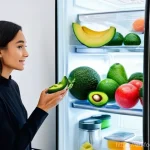
Food additives play a crucial role in modern food production, enhancing flavor, texture, shelf life, and safety. From preservatives that keep products fresh longer to emulsifiers that improve consistency, these ingredients are everywhere in our daily diet.

Understanding the types and functions of food additives can help you make informed choices about what you eat. While some additives are natural, others are synthetic, each serving a specific purpose to improve food quality and appeal.
Knowing how these substances work can also ease concerns about their safety and benefits. Let’s dive deeper and explore the fascinating world of food additives in detail!
How Additives Shape the Taste and Texture of Food
Enhancing Flavors Without Overpowering
One of the most remarkable things about food additives is their ability to boost or balance flavors subtly. For example, flavor enhancers like monosodium glutamate (MSG) bring out the savory aspects of a dish without making it taste artificial or too salty.
I’ve noticed that snacks and processed meals with these enhancers tend to feel more satisfying, as if every bite is carefully tuned to please the palate.
Sometimes, these additives help mask unpleasant flavors that might come from preservation or processing, making foods more enjoyable overall. It’s like having a culinary assistant behind the scenes making sure the taste hits just the right note.
Perfecting Texture for a Better Mouthfeel
Texture is often overlooked, but it’s a huge part of our eating experience. Additives such as emulsifiers, stabilizers, and thickeners play a big role here.
Think of mayonnaise or ice cream — without emulsifiers, these wouldn’t have that smooth, creamy consistency we love. Personally, I’ve seen how these additives keep products from separating or becoming grainy over time, which can be a dealbreaker when you’re craving a certain mouthfeel.
Hydrocolloids like guar gum or xanthan gum are often behind the scenes, quietly doing their job to ensure that each spoonful feels just right, whether it’s a rich pudding or a fluffy salad dressing.
Preserving Freshness and Safety Over Time
Additives that extend shelf life are real game-changers, especially in today’s fast-paced world. Preservatives like sodium benzoate or potassium sorbate prevent spoilage by inhibiting bacteria, mold, or yeast growth.
I remember being surprised at how long some packaged foods stay fresh without any noticeable change in taste or texture, thanks to these compounds. This doesn’t just reduce food waste but also ensures safety by keeping harmful microbes at bay.
For people who buy in bulk or rely on ready-to-eat meals, preservatives offer peace of mind that the food won’t suddenly turn bad before they get a chance to enjoy it.
Natural vs. Synthetic: What’s Inside Your Food?
Exploring Additives Derived from Nature
Not all additives are synthetic chemicals created in a lab; many come from natural sources. Ingredients like citric acid, derived from citrus fruits, or lecithin, extracted from soybeans or sunflower seeds, are commonly used to preserve food or improve texture.
From my experience cooking at home, using natural additives often feels more comforting because they’re recognizable substances rather than mysterious compounds.
Plus, they often have additional nutritional benefits, like antioxidants in natural extracts, which can contribute positively beyond just food preservation.
Understanding Synthetic Additives and Their Safety
Synthetic additives often get a bad rap, but they’re heavily regulated and tested for safety before approval. These man-made substances can mimic or enhance the properties of natural additives but with greater consistency and often lower cost.
For instance, artificial sweeteners like sucralose provide sweetness without calories, which is helpful for people managing their sugar intake. While some people worry about potential side effects, regulatory agencies worldwide continuously monitor these additives to ensure they’re safe when consumed within recommended limits.
From personal observation, many synthetic additives allow the food industry to provide affordable, safe, and appealing products to consumers.
How to Identify Additives on Food Labels
Reading food labels is key to knowing what additives you’re consuming. They usually appear under names like “E-numbers” in Europe or by their chemical names in the U.S.
I often take a moment to check the ingredient list, especially if I’m trying to avoid certain additives due to allergies or dietary preferences. Some additives have multiple names or can be grouped under broader categories like “preservatives” or “colorants,” so becoming familiar with common ones helps make informed choices.
Apps and websites can also assist by decoding these complex labels, making it easier to understand what’s really inside your food.
The Role of Additives in Food Safety and Quality Control
Preventing Contamination and Foodborne Illness
Food additives aren’t just about taste and texture; many are crucial for keeping food safe. Antimicrobial agents inhibit or kill pathogens that can cause food poisoning.
In my experience working with food packaging, these additives allow perishable items like deli meats or dairy products to stay safe for longer periods without refrigeration.
This aspect is especially important in large-scale food distribution, where maintaining safety standards prevents outbreaks and protects public health.
They act as silent guardians, making sure the food reaches consumers without harmful bacteria or toxins.
Ensuring Consistency Across Batches
Additives also help food manufacturers maintain consistent quality across different production runs. Imagine buying your favorite chocolate bar and finding it’s either too soft or too hard each time — frustrating, right?
Stabilizers and anti-caking agents prevent such variability by controlling moisture content and texture. From what I’ve seen in food factories, this reliability is essential for brand trust.
Consumers expect the same experience every time, and additives are a key part of delivering that dependable product. It’s like having quality control built right into the ingredients.
Helping Foods Meet Regulatory Standards
Regulatory agencies require food products to meet specific safety and quality standards, and additives often help manufacturers comply. For example, certain coloring agents must be stable and non-toxic to pass inspection.
Additives that prevent oxidation or spoilage ensure products don’t degrade before their expiration date, aligning with labeling laws. Having worked alongside quality assurance teams, I’ve witnessed how these additives streamline compliance processes, reducing the risk of recalls or legal issues.
This ultimately benefits consumers by providing safe, high-quality food choices.
Common Categories of Food Additives and Their Uses
Preservatives That Extend Shelf Life
Preservatives are designed to inhibit microbial growth and delay spoilage, enabling foods to stay fresh longer. Common examples include sulfites in dried fruits and benzoates in beverages.
These additives are particularly vital for products prone to mold or bacterial contamination. I’ve noticed that without preservatives, many processed foods would spoil rapidly, making them impractical for modern distribution and retail.
Their presence means fewer trips to the grocery store and less food waste at home.
Color Additives That Appeal to the Eye
Color is a powerful influencer of appetite and expectation. Artificial and natural colorants brighten foods and restore color lost during processing. For instance, beta-carotene gives a rich orange hue to margarine, while synthetic dyes color candies and soft drinks.
From personal experience, vividly colored foods often seem more appetizing, even if the color doesn’t affect taste directly. However, some consumers prefer natural colorants to avoid synthetic chemicals, driving innovation toward plant-based options like beet juice or turmeric extracts.
Texturizers That Enhance Mouthfeel
Texturizers like thickeners, emulsifiers, and gelling agents help create desirable textures and prevent ingredient separation. Examples include carrageenan in dairy products and lecithin in chocolate.
I’ve tried homemade recipes where adding a small amount of xanthan gum transformed the texture dramatically, making it creamier and more stable. These additives are essential for delivering consistent sensory experiences that consumers expect from processed foods.
Debunking Myths and Addressing Safety Concerns
Separating Fact from Fiction About Harmful Effects
There’s no denying that food additives have faced skepticism and myths regarding their safety. Some claims link them to allergies, hyperactivity, or chronic diseases, but scientific evidence often tells a different story.
Regulatory bodies like the FDA and EFSA require rigorous testing and continuous monitoring. In my research and conversations with nutritionists, I’ve learned that most approved additives are safe when consumed within established limits.
It’s important to avoid misinformation and rely on credible sources to understand real risks versus exaggerated fears.
How Personal Sensitivities Influence Additive Reactions
While additives are generally safe, individual sensitivities can cause reactions in some people. For instance, some individuals experience headaches or asthma symptoms triggered by sulfites or MSG.
From talking to friends with food sensitivities, I understand how reading labels and avoiding specific additives can greatly improve their well-being.
This highlights the importance of transparency in food labeling and consumer education so people can manage their unique needs without unnecessary restrictions.
Choosing Foods Based on Additive Content
If you prefer to minimize additives, there are plenty of natural, minimally processed options available. Organic and whole foods typically have fewer or no synthetic additives, appealing to those who prioritize clean eating.
In my experience, balancing convenience and additive intake is key — occasionally indulging in additive-rich foods is fine as part of a varied diet. Ultimately, informed choices come down to understanding what additives do and how they fit into your lifestyle, rather than outright avoidance or fear.
Summary of Common Food Additives and Their Functions
| Additive Type | Common Examples | Primary Function | Typical Food Uses |
|---|---|---|---|
| Preservatives | Sodium benzoate, Potassium sorbate | Prevent microbial growth, extend shelf life | Beverages, baked goods, dairy products |
| Emulsifiers | Lecithin, Mono- and diglycerides | Maintain texture, stabilize mixtures | Chocolate, mayonnaise, ice cream |
| Flavor Enhancers | Monosodium glutamate (MSG), Disodium inosinate | Enhance or balance taste | Snacks, soups, processed meats |
| Colorants | Beta-carotene, Tartrazine | Improve or restore color | Candies, beverages, margarine |
| Thickeners & Stabilizers | Guar gum, Xanthan gum | Improve texture, prevent separation | Salad dressings, sauces, dairy |
How Food Additives Impact Daily Eating Habits
Convenience and Variety in Modern Diets
Food additives have undoubtedly made it easier to enjoy a wide variety of foods anytime, anywhere. From ready meals to snacks, additives preserve freshness and quality, making busy lifestyles more manageable.
I personally appreciate how additives enable me to grab a quick yet tasty meal during hectic days without compromising much on flavor or texture. This convenience wouldn’t be possible without the science behind these ingredients, supporting the fast-paced rhythm of modern living.
Balancing Nutrition and Processed Foods
While additives improve shelf life and sensory appeal, they sometimes accompany foods that are high in sugar, salt, or fat. I’ve found that understanding additives helps me distinguish between processed foods that are just convenient and those that offer genuine nutritional value.
This awareness encourages smarter grocery choices, such as selecting fortified foods or those with fewer artificial additives when possible. It’s all about finding a balance between enjoying processed foods and maintaining a wholesome diet.
Educating Consumers for Better Food Choices
Knowledge about food additives empowers consumers to make informed decisions rather than feeling overwhelmed or mistrustful. In my experience, sharing clear information about what additives do and how they’re regulated helps reduce anxiety around eating processed foods.
When people understand the purpose and safety measures behind additives, they can confidently include a variety of foods in their diets while managing personal preferences or restrictions.
This education is crucial for fostering a positive relationship with food in today’s complex food environment.
글을 마치며
Food additives play a vital role in enhancing the flavors, textures, and safety of the foods we enjoy every day. Understanding how they work helps us appreciate the science behind convenience and quality. By being informed, we can make smarter choices that fit our personal preferences and dietary needs. Ultimately, additives are tools that balance taste, nutrition, and preservation in modern food production.
알아두면 쓸모 있는 정보
1. Not all additives are artificial; many come from natural sources like fruits and seeds, offering extra nutritional benefits.
2. Reading food labels carefully can help you identify additives and avoid those that may trigger allergies or sensitivities.
3. Preservatives not only extend shelf life but also reduce food waste by keeping products fresh longer.
4. Emulsifiers and thickeners are key to maintaining the creamy, smooth texture we expect in many processed foods.
5. Regulatory agencies continuously monitor additive safety, ensuring that approved substances are safe when consumed as directed.
중요 사항 정리
Food additives are essential for maintaining flavor, texture, and safety in the foods we eat, yet they are often misunderstood. While generally safe, some individuals may have sensitivities that require label vigilance. Natural and synthetic additives both have their place, regulated carefully to meet safety standards. Educating yourself about these ingredients empowers better food choices and helps balance convenience with health.
Frequently Asked Questions (FAQ) 📖
Q: Are food additives safe to consume on a daily basis?
A: Generally, food additives approved by regulatory agencies like the FDA or EFSA are considered safe when consumed within recommended limits. These organizations thoroughly evaluate additives for toxicity, allergenicity, and long-term health effects before allowing their use.
However, individual sensitivities can vary—some people might experience mild reactions to certain additives like sulfites or artificial colors. From my experience, reading labels and choosing products with fewer synthetic additives helps me feel more comfortable about what I’m eating.
Staying informed and not overconsuming processed foods with excessive additives is a practical way to maintain safety.
Q: What are the main types of food additives, and what do they do?
A: Food additives fall into several categories, each serving a specific role. Preservatives, like sodium benzoate, prevent spoilage and extend shelf life, which is why your favorite snacks stay fresh longer.
Emulsifiers, such as lecithin, help mix ingredients that usually don’t combine well—think of creamy salad dressings or smooth ice cream texture. Flavor enhancers like MSG amplify taste, while colorants improve appearance to make food more appealing.
Stabilizers and thickeners improve texture and consistency, making products easier to handle and enjoy. Knowing these roles helped me appreciate how additives improve everyday food without compromising quality.
Q: Can natural additives be better than synthetic ones?
A: Not necessarily. Both natural and synthetic additives undergo rigorous testing for safety and effectiveness. Natural additives, like ascorbic acid (vitamin C) or rosemary extract, often appeal to those seeking “clean labels,” but they can sometimes be less stable or more expensive.
Synthetic additives, on the other hand, are designed for consistency and efficiency, often performing better in preserving food or enhancing flavor. From my trials, I’ve found that the source of the additive matters less than how it’s used and regulated.
Choosing products based on transparency and your personal comfort level with ingredients is the best approach.