Hey there, food lovers and planet protectors! I’ve been doing a lot of thinking lately, especially as I savor my meals, about something truly monumental: the hidden environmental cost of every bite we take.
It’s a heavy thought, I know, but here’s the exciting part – innovators are absolutely crushing it when it comes to cutting down carbon emissions in our food system.
We’re talking about mind-blowing advancements, from smart farms that grow more with less, right through to turning captured carbon into actual food ingredients.
It’s like science fiction becoming delicious reality, and honestly, it gives me so much hope for a truly sustainable future. It’s not just about tiny tweaks anymore; we’re witnessing a complete revolution in how our food makes its way from farm to fork, driven by incredible new tech and a serious passion for preserving our planet.
If you’re as curious as I am about these game-changing technologies and how they’re transforming everything we thought we knew about sustainable eating, then you’re in the right place.
Let’s dive in and uncover the future of food together!
Wow, what a journey we’re on, right? It feels like just yesterday we were talking about recycling our plastic bottles, and now we’re knee-deep in discussions about how every single bite of food we enjoy affects our beautiful planet.
It’s wild, but also incredibly inspiring to see how much ingenuity is pouring into making our food system genuinely sustainable. From the dirt under our feet to the labs cooking up the future, the innovations are truly game-changing.
It’s not just about doing less harm anymore; it’s about actively building a better, more resilient food future for everyone. So, let’s keep digging into these incredible advancements that are literally changing the world, one delicious, sustainable bite at a time!
Cultivating Change: Smarter Farms, Healthier Planet
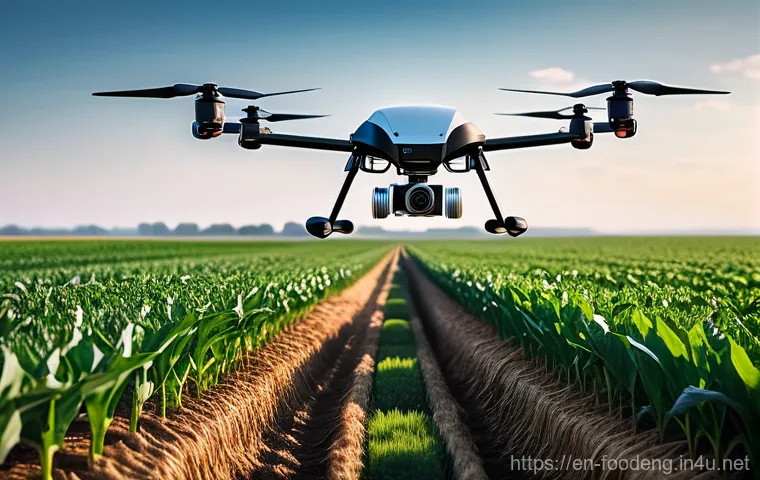
You know, I’ve always been fascinated by how farming works, but the sheer scale of the challenges facing traditional agriculture today is immense. That’s why seeing the strides in smarter farming methods totally blows my mind!
It’s not just about getting bigger yields anymore; it’s about doing it with so much more precision and care for the earth. Think about it – instead of just spraying an entire field, imagine technology that knows exactly what each tiny plant needs, right down to the drop of water or a whisper of nutrient.
That’s where precision agriculture comes in, and honestly, it feels like we’re finally giving our hardworking farmers the superhero tools they’ve always deserved.
They’re using data, sensors, and even AI to manage everything from soil health to pest control, which means less waste and a much smaller footprint on our precious ecosystems.
I mean, who wouldn’t want a tomato grown with pinpoint accuracy, ensuring every resource is optimized? It’s a win-win: farmers save money, and we get more sustainable food.
Beyond that, the idea of regenerative agriculture is truly captivating, focusing on practices that actually heal and rebuild soil health, like planting diverse cover crops or minimizing tillage.
My own garden has shown me how much healthier plants are in rich, living soil, and seeing that applied on a massive scale gives me so much hope.
Precision Agriculture: Sowing Seeds of Efficiency
When I first heard about precision agriculture, I pictured huge, intimidating machines. But it’s so much more nuanced than that! We’re talking about technologies that let farmers apply water, fertilizers, and even pesticides with incredible accuracy.
Imagine a drone flying over a field, scanning for areas that need a little extra TLC, or a tractor guided by GPS, ensuring no patch of land is over-treated or neglected.
This isn’t just about saving money for farmers; it’s about drastically cutting down on waste and preventing runoff that can harm local waterways. I’ve heard stories of farmers who’ve reduced their fertilizer use by up to 7% and herbicide use by 9% thanks to these smart systems.
That’s a huge deal for our environment! The goal is to make every input count, allowing the soil to retain more organic carbon and promoting a healthier, more resilient ecosystem.
It’s less about brute force and more about intelligent, data-driven farming, which frankly, sounds like the future I want to eat from.
Vertical Farms: Cultivating the Future in Urban Spaces
Okay, if precision agriculture is about optimizing the land we have, vertical farming is about creating *new* land in places we never thought possible – like right in the middle of a city!
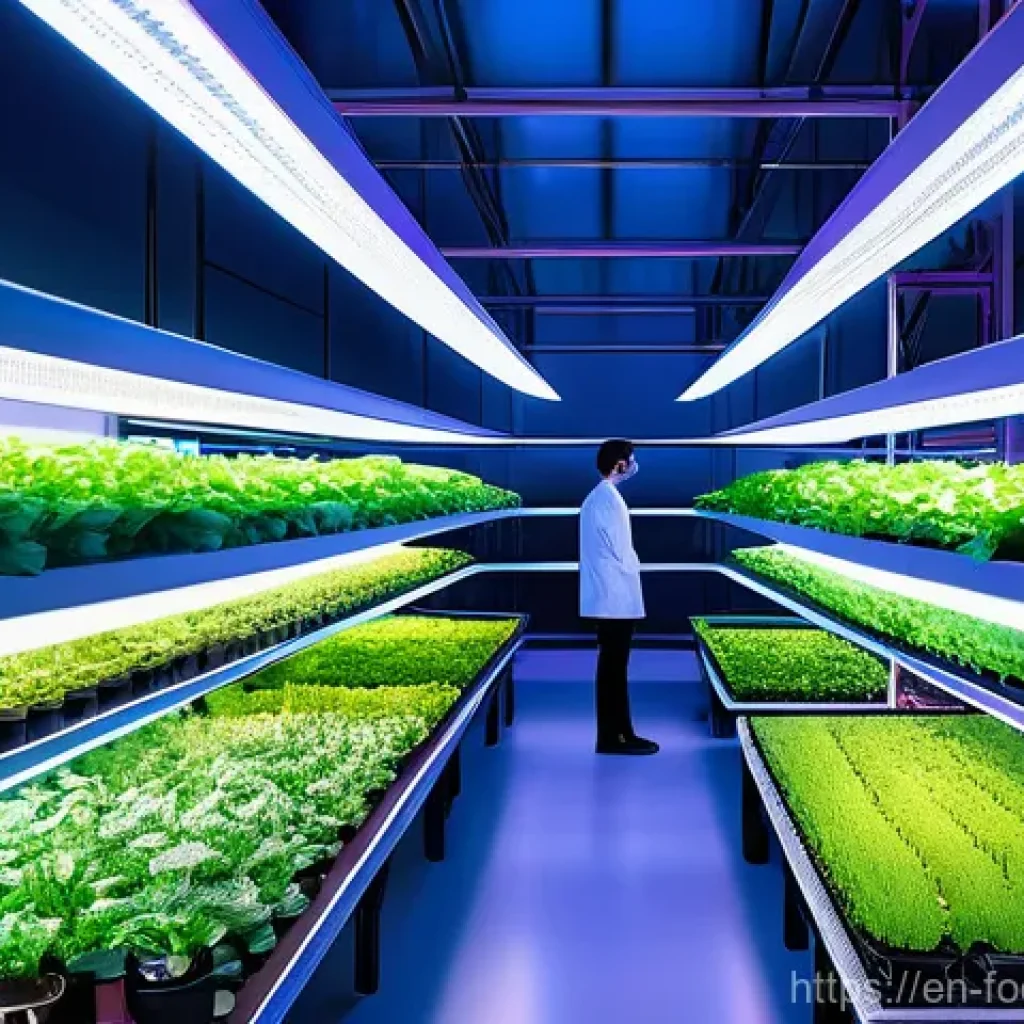
I remember seeing a documentary about a vertical farm nestled in a skyscraper, and it was mind-boggling. Fresh greens growing year-round, stacked high in climate-controlled environments, often powered by renewable energy.
It’s like something out of a sci-fi movie, but it’s happening now. The immediate benefit is obvious: food grown closer to consumers means way less transportation, cutting down on those pesky carbon emissions from long-haul trucks.
Plus, these systems use significantly less water than traditional field farms, which is crucial as we face increasing drought challenges. Now, I’ve seen studies that point out the energy demands can still be high, especially if they’re not using renewable sources, but the continuous innovations in LED lighting and energy efficiency are rapidly addressing these concerns.
Imagine grabbing incredibly fresh, locally grown lettuce that traveled mere miles, not thousands, to get to your plate. That’s a future I can absolutely get behind.
The Green Plate Revolution: Plant-Based Wonders and Beyond
It’s no secret that what we put on our plates has a huge impact on the planet, and for a long time, the conversation was dominated by the environmental cost of animal agriculture.
While that’s still a critical point, what truly excites me now is the incredible wave of innovation in the plant-based world. It’s not just about a basic veggie burger anymore!
Companies are literally reinventing what food can be, using plants in ways that create delicious, satisfying alternatives to traditional animal products.
I’ve tried some of these new innovations, and honestly, sometimes I can barely tell the difference. This shift is fantastic because plant-based systems generally require far less land, water, and energy, leading to a significant reduction in greenhouse gas emissions.
It’s not just about ethical eating; it’s becoming an increasingly powerful way for us all to contribute to a more sustainable food system without feeling like we’re missing out.
Innovating Ingredients: Beyond the Traditional Veggie Burger
Seriously, the plant-based aisle at my local grocery store has gone from a small, sad corner to a vibrant, bustling section overflowing with choices! It’s more than just soy and tofu now; we’re seeing incredible things being done with pea protein, mushrooms, and even seaweed.
Innovators are using advanced processing techniques like extrusion and fermentation to create textures and flavors that genuinely mimic meat and dairy.
I remember tasting a plant-based chicken nugget recently that had the perfect crispy coating and juicy interior, and I thought, “Wow, this is truly a game-changer!” It’s about creating foods that are not only sustainable but also incredibly palatable and nutritious, appealing to a much wider audience than just dedicated vegans.
This focus on deliciousness is key to widespread adoption, because let’s be real, nobody wants to compromise on taste.
Fermentation’s Magic: Unlocking New Flavors and Textures
I used to think of fermentation mainly for sourdough bread or kombucha, but it turns out this ancient process is having a serious glow-up in the sustainable food world!
Precision fermentation, in particular, is an absolute marvel. It’s using microorganisms to produce specific ingredients like proteins or fats, often without needing huge amounts of land or water.
Imagine creating dairy proteins that are molecularly identical to those from a cow, but made in a bioreactor! It’s mind-blowing. This technology isn’t just about recreating existing foods; it’s about unlocking entirely new flavor profiles and textures, making plant-based options even more exciting and satisfying.
I’ve read about companies working on new fats that give plant-based meats that perfect juicy mouthfeel, or dairy-free cheeses that actually melt and stretch.
It’s not just good for the planet; it’s making our food experiences richer and more diverse.
Stopping the Scraps: The Battle Against Food Waste
This one really gets me. Knowing that so much perfectly good food goes to waste while people go hungry is just heartbreaking. I mean, one-third of all food produced globally is lost or wasted annually!
That’s like throwing away a mountain of food the size of 2,823 Empire State Buildings every year! But here’s the good news: this is an area where technology is making massive leaps, and we, as consumers, have a huge role to play too.
From smart sensors in grocery stores to innovative apps on our phones, we’re finally getting serious about tackling this monumental problem. It’s about recognizing the incredible resources – water, land, energy, and labor – that went into producing that food, and making sure it doesn’t end up in a landfill, contributing to methane emissions.
Every single apple, every forgotten leftover, has a story, and we have the power to give it a better ending.
Smart Kitchens and Smarter Habits: Reducing Home Waste
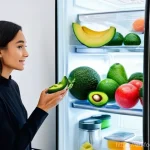
I’ll be honest, my own fridge sometimes looks like a science experiment gone wrong. But that’s where smart tech and a bit of mindfulness come in. We’re seeing innovations like IoT devices that track food inventory and spoilage dates, helping us actually *use* what we buy before it goes bad.
Imagine your fridge telling you, “Hey, that spinach is on its last legs, time for a smoothie!” Beyond that, it’s about shifting our habits. I’ve found that meal planning and getting creative with leftovers has drastically cut down on my own household waste.
It’s amazing what you can whip up with seemingly disparate ingredients when you’re determined to not throw anything away! These small, everyday actions, when multiplied across millions of households, make a profound difference, lessening the demand for new production and alleviating pressure on our overloaded landfills.
Upcycling Ugly Produce: Giving Food a Second Chance
This trend is one of my absolute favorites! How many times have you picked up a perfectly delicious-looking apple only to discard one with a bruise or an odd shape?
Well, that “ugly” produce, which often gets rejected by supermarkets, is now finding new life through upcycling. Companies are taking these cosmetically imperfect but perfectly edible fruits and vegetables and turning them into amazing new products – think delicious fruit leathers, vegetable powders, or even specialty flours.
It’s not just reducing waste; it’s creating entirely new value chains and minimizing the energy and resources that went into growing that food in the first place.
I tried some upcycled fruit snacks recently, and they were phenomenal. It makes so much sense to celebrate every bit of our harvest, regardless of its appearance.
Streamlining Sustenance: Greener Logistics and Distribution
Let’s face it, getting food from where it’s grown to our plates is a colossal undertaking. The journey from farm to fork often involves thousands of miles, multiple stops, and a significant carbon footprint from transportation and refrigeration.
But thankfully, innovators are working tirelessly to make these supply chains leaner, smarter, and way more sustainable. It’s not just about electric trucks (though those are awesome!); it’s about a holistic approach that uses data and technology to optimize every single step.
When I think about how far my morning coffee beans have traveled, I appreciate the efforts being made to ensure that journey is as eco-friendly as possible.
This optimization doesn’t just cut down on emissions; it also reduces spoilage and waste along the way, meaning more food reaches us fresh and delicious.
Local Sourcing: The Power of Proximity
This is something I’ve really embraced personally: buying local. When you grab produce from a farmers’ market or choose products from regional suppliers, you’re not just supporting your local community; you’re dramatically shrinking the “food miles” your meal has traveled.
Less distance means less fuel burned and fewer emissions released into the atmosphere. There’s something so satisfying about knowing your dinner was grown just a few miles down the road, probably picked that morning.
It tastes fresher, too! Local food systems also foster greater resilience against global supply chain disruptions, which we’ve all seen can be a real issue.
It makes me feel more connected to my food and the people who grow it.
Electric Fleets and Optimized Routes: Delivering Green
Beyond local sourcing, for food that *does* need to travel, the advancements in logistics are truly inspiring. Companies are investing heavily in electric and hybrid delivery fleets, which means fewer exhaust fumes polluting our air.
But it’s not just about the vehicles; it’s about smart planning. AI and Big Data are being used to optimize delivery routes, making them as efficient as possible.
Think about it: fewer miles driven, less idling, and fuller trucks mean a significant reduction in fuel consumption and emissions. I’ve seen some of these route optimization systems in action, and it’s incredible how much waste they can eliminate.
It’s a testament to how technology can tackle even the most complex environmental challenges, turning something as mundane as food delivery into a force for good.
From Air to Plate: Carbon Capture and Culinary Creations

This is where things get really sci-fi, and I love it! For years, we’ve talked about carbon capture as a way to *store* emissions, but what if we could actually *turn* that captured carbon dioxide into something edible?
It sounds wild, I know, but it’s rapidly becoming a delicious reality. Imagine the ultimate circular economy: taking the very gas that’s harming our planet and transforming it into essential food ingredients.
This isn’t just about neutralizing emissions; it’s about innovating our way to completely new, sustainable food sources that don’t rely on traditional agriculture’s footprint.
It truly feels like we’re on the cusp of a culinary revolution where the air we breathe could literally become part of our next meal!
From Air to Appetizer: Carbon-Captured Ingredients
When I first heard about “air meat” or proteins made from captured CO2, I was skeptical. But the science is fascinating! Companies are using microbes that literally “eat” carbon dioxide and convert it into protein-rich biomass.
It’s a bit like fermentation, but with CO2 as a primary food source for these tiny powerhouses. This means we could potentially produce protein without needing vast tracts of land, large amounts of water, or synthetic fertilizers.
I mean, think about the possibilities: protein flours, fats, or even flavor enhancers derived directly from atmospheric carbon! This kind of innovation could drastically reduce our reliance on traditional, resource-intensive agriculture, offering a truly sustainable pathway to feed a growing global population.
It’s a bold idea, and I, for one, am incredibly excited to see it develop.
Algae and Microbes: Tiny Powerhouses for Protein
It’s amazing how much potential lies in the smallest organisms! Algae and various microbes are proving to be incredible workhorses in the quest for sustainable protein.
We’re talking about tiny organisms that can be grown in bioreactors, often using minimal resources and converting sunlight or even CO2 into nutrient-dense food sources.
Spirulina, for example, is a type of algae packed with protein and nutrients, and it can be cultivated with a much smaller environmental footprint than many conventional crops.
Companies are exploring how these microbial proteins can be scaled up to become staple ingredients in our diets, offering sustainable alternatives to traditional protein sources.
It’s efficient, fast-growing, and incredibly versatile. I’ve even experimented with adding spirulina to my smoothies, and it’s a fantastic way to boost nutrition while supporting these cutting-edge, sustainable food innovations.
The Future of Protein: Cultivated Meats in the Spotlight
Okay, let’s talk about something that really sparks conversation: cultivated meat. Also known as lab-grown or cell-based meat, this is a technology that aims to produce real meat from animal cells, without raising and slaughtering animals.
When I first heard about it, my mind immediately went to science fiction movies, but now it’s actually making its way to plates in certain parts of the world.
The promise here is huge: the potential to drastically reduce the environmental footprint associated with traditional livestock farming – think less land, less water, and fewer greenhouse gas emissions.
It’s still a nascent industry, facing its own set of challenges, but the advancements are coming fast and furious. It represents a truly paradigm-shifting approach to how we might get our protein in the future, addressing both ethical and environmental concerns simultaneously.
Lab-Grown Delights: Ethical and Environmental Promises
Imagine enjoying a juicy burger or a succulent chicken breast, knowing that no animal was harmed in its creation. That’s the ethical promise of cultivated meat.
Beyond that, the environmental benefits are compelling. Studies suggest that if powered by renewable energy, cultivated meat production could significantly lower greenhouse gas emissions compared to conventional beef.
It also requires far less land and water. Companies are developing everything from cultivated seafood to pork and even Wagyu beef, creating identical products on a cellular level.
I’m so intrigued by the idea that we could have a virtually limitless supply of high-quality protein that is produced in sterile, controlled environments, potentially reducing the risk of contamination and even being designed to be healthier.
It’s a bold step towards reconciling our love for meat with our urgent need for planetary preservation.
Consumer Acceptance: Bridging the Gap from Lab to Plate
Of course, the big question is: will people actually *eat* it? I totally get that the idea of “lab-grown” can sound a bit off-putting at first. It challenges our traditional notions of food.
However, as I’ve learned more, I realize it’s still *real* meat, just grown differently. The industry is working hard on taste, texture, and making these products indistinguishable from their conventional counterparts.
Blended products, combining cultivated meat with plant-based ingredients, are also emerging as a smart way to ease consumers into this new category. It’s going to take education and transparency, but I believe that as people understand the incredible benefits for animal welfare and the environment, acceptance will grow.
After all, isn’t progress about embracing new solutions to old problems, especially when the stakes are this high for our planet?
Your Plate, Your Power: Driving Change Through Conscious Choices
You know, sometimes the sheer scale of climate change can feel overwhelming, like what can *I* possibly do? But when it comes to food, every single one of us holds immense power.
Our daily choices, from what we buy to how we cook it, collectively send powerful signals to the entire food industry. It’s not just about grand innovations; it’s about the ripple effect of millions of informed decisions.
I truly believe that conscious consumerism is one of the most potent forces for positive change. When we vote with our wallets for sustainable options, we directly influence what companies produce and how they operate.
It’s an empowering thought, isn’t it? That your individual choices can be part of this incredible, global movement toward a more sustainable future.
Conscious Consumerism: Voting with Your Wallet
This is where it gets personal, folks! I’ve been trying to be a more conscious consumer for years, and it’s amazing how much difference it makes. When I choose products that are sustainably sourced, ethically produced, or have a lower carbon footprint, I know I’m supporting a system that aligns with my values.
Whether it’s opting for organic produce, reducing my meat intake, or looking for minimal packaging, every decision sends a message. It’s not about perfection, but about continuous effort.
Even simple things like carrying reusable shopping bags or choosing fresh produce over heavily processed foods contribute to a healthier planet. This shift in demand is what pushes businesses to innovate and adopt more eco-friendly practices, showing them there’s a real market for sustainability.
Understanding Food Labels: Making Informed Decisions
Sometimes, deciphering food labels feels like cracking a secret code, but I’ve found it’s totally worth the effort! Learning to read and understand labels for things like “organic,” “Fair Trade,” or “Non-GMO Project Verified” empowers you to make truly informed decisions.
These certifications aren’t just fancy stickers; they represent commitments to specific environmental and social standards. I’ve also found myself paying more attention to ingredients lists, trying to choose whole foods and understand where my food actually comes from.
It’s a journey, not a destination, but every step towards better understanding helps me make choices that are healthier for me and for the planet.
| Innovation Category | How it Reduces Carbon Emissions | Impact on Consumers |
|---|---|---|
| Precision Agriculture | Optimizes resource use (water, fertilizer, pesticides), improves soil health, reduces fuel for machinery. | More sustainably grown produce, potentially lower prices due to efficiency, healthier food. |
| Vertical Farming | Localizes production (less transportation), uses less water, often powered by renewables (though energy intensity needs careful management). | Fresher, locally grown food available year-round, reduced food miles. |
| Plant-Based Innovations | Requires less land, water, and energy than animal agriculture; reduces greenhouse gas emissions. | Wider variety of delicious, sustainable food options; potential health benefits. |
| Food Waste Reduction Tech | Monitors spoilage, optimizes inventory, upcycles “ugly” produce, prevents methane emissions from landfills. | Less food waste in homes and stores, new upcycled products, more efficient use of resources. |
| Cultivated Meat | Eliminates traditional livestock farming’s high land, water, and GHG emission footprint (especially with renewable energy). | Ethical, potentially healthier, and environmentally friendly alternative to conventional meat. |
| Carbon Capture for Food | Transforms captured CO2 into protein or other food ingredients, reducing atmospheric carbon and reliance on traditional agriculture. | Novel, highly sustainable food sources; potential for new nutrient-rich ingredients. |
글을 마치며
Wow, what an incredible journey we’ve taken through the future of food! It’s truly amazing to see how much innovation is bubbling up in every corner of our food system, isn’t it?
From smart farms to cutting-edge labs, and right down to our own kitchens, the passion and ingenuity for creating a more sustainable planet are absolutely contagious.
I hope this deep dive has shown you just how much power we collectively hold to shape a delicious, resilient, and responsible food future for everyone.
Let’s keep exploring, keep learning, and most importantly, keep making those mindful choices that really do make a world of difference!
알아두면 쓸모 있는 정보
1. Embrace “Ugly” Produce: Don’t shy away from fruits and vegetables that look a little imperfect. Often, these are perfectly delicious and nutritious, and buying them helps reduce food waste in the supply chain. Many stores now even have special sections for “ugly” produce at a discount!
2. Plan Your Meals & Shop Smart: This is a game-changer for reducing home food waste. Before heading to the grocery store, take a quick inventory of your fridge and pantry, then plan your meals for the week. This helps you buy only what you need, saving money and preventing good food from ending up in the bin.
3. Explore Plant-Based Options: You don’t have to go fully vegan to make an impact! Try incorporating one or two plant-based meals into your week. The innovations in this space are phenomenal, offering delicious alternatives that are often better for the planet and your health.
4. Support Local & Seasonal: Whenever possible, buy from local farmers’ markets or choose seasonal produce. This not only supports your local economy but also drastically cuts down on “food miles” and ensures you’re getting the freshest, most flavorful ingredients. It’s a win-win for everyone.
5. Master Your Leftovers: Get creative with what’s left! Challenge yourself to transform leftovers into exciting new dishes. Soups, frittatas, and stir-fries are fantastic ways to repurpose ingredients that might otherwise be forgotten. Your taste buds and the planet will thank you!
중요 사항 정리
It’s been a blast diving into the exciting world of sustainable food innovations, and if there’s one thing I hope you take away, it’s that the future of food is looking brighter and more delicious than ever!
We’ve seen how incredible advancements in areas like precision agriculture, vertical farming, and plant-based foods are revolutionizing how our food is grown and produced, making it more efficient and environmentally friendly.
Beyond that, the incredible strides in reducing food waste, streamlining logistics, and even creating food from carbon capture truly highlight humanity’s ingenuity when faced with big challenges.
Remember, your plate holds immense power. Every decision you make, from embracing “ugly” produce to exploring new plant-based options, contributes to this massive shift.
It’s not about being perfect, but about being mindful and empowered. By supporting these innovations and making conscious choices, we’re all playing a crucial part in cultivating a more sustainable, equitable, and mouth-watering food system for generations to come.
Let’s keep this conversation going and continue to build a better food future, one delicious bite at a time!
Frequently Asked Questions (FAQ) 📖
Q: s: The Future of Sustainable Food – From Farm to Fork!Q1: What are some of these “mind-blowing advancements” in sustainable food that are truly cutting down carbon emissions?
A: Oh, this is where it gets really exciting! When I talk about mind-blowing advancements, I’m seeing a whole revolution across the food system. First up, we have “smart farming” and “precision agriculture”.
Imagine farms where every plant gets exactly what it needs, down to the drop of water or a precise nutrient application. IoT sensors, AI, and even drones are collecting real-time data on soil health, weather, and crop growth.
This means less waste of precious resources like water and fertilizers, which directly translates to fewer greenhouse gas emissions. For instance, precision irrigation alone can significantly reduce energy consumption and methane emissions from waterlogged fields.
I’ve also been following the rise of “vertical farming”, especially in urban areas. These indoor farms use significantly less land and water, often powered by renewable energy and LED lights, allowing us to grow fresh produce year-round, closer to consumers, cutting down on transportation emissions and energy-intensive cold chains.
And let’s not forget the incredible innovation in “alternative proteins”! We’re seeing everything from sophisticated plant-based meats that mimic the real thing to cultivated (lab-grown) meat that dramatically reduces the land, water, and emissions associated with traditional livestock farming.
It’s truly a game-changer!
Q: Turning captured carbon into actual food ingredients sounds like science fiction! How does that even work, and what kind of food can we expect?
A: Isn’t that wild? It absolutely blew my mind when I first heard about it! But it’s not fiction; it’s happening.
The core idea is essentially to mimic photosynthesis, but often using microbes or bacteria instead of plants. Companies are utilizing processes like microbial electrosynthesis (MES) or gas fermentation in bioreactors.
They capture CO2, often from industrial emissions or even direct air capture, and then feed it along with hydrogen (produced from renewable electricity) and other nutrients to specific microorganisms.
These tiny powerhouses then “eat” the carbon and other elements, fermenting them into proteins, lipids, or carbohydrates. We’re talking about producing “single-cell proteins” (SCP) – think a protein-rich powder or flour that can then be used as an ingredient.
I’ve seen examples like Air Protein making “air chicken” nuggets, and Solar Foods creating a protein powder called Solein that’s already approved in places like Singapore for use in ice cream and other products.
This technology is fascinating because it’s decoupled from traditional agriculture, meaning it doesn’t need vast tracts of land or specific weather conditions, and it can literally turn a major greenhouse gas into a valuable food source.
It’s a win-win for our planet and our plates!
Q: These innovations are fantastic, but what can I, as a conscious consumer, do today to help reduce the environmental cost of my meals?
A: That’s such an important question, and honestly, it’s something I’ve been actively focusing on in my own life! While these big tech advancements are crucial, our individual choices collectively make a massive difference.
From my experience, one of the single biggest impacts you can have is simply “reducing food waste”. It sounds obvious, right? But globally, so much food ends up in landfills, where it decomposes and releases potent greenhouse gases like methane.
Planning your meals, using up leftovers, and understanding “best before” dates versus “use by” dates can drastically cut down on what you toss. Another huge one is “rethinking your protein sources”.
Eating less meat, especially beef and dairy, has a substantial positive impact on your carbon footprint because livestock production accounts for a significant portion of agricultural emissions.
I’m not saying you have to go fully vegan overnight, but even swapping out a few meat meals a week for plant-based alternatives or choosing lower-impact meats like chicken can make a world of difference.
Lastly, “supporting local and seasonal produce” helps reduce transportation emissions and often encourages more sustainable farming practices. When I hit up my local farmer’s market, I always feel good knowing my food hasn’t traveled halfway across the globe, and it usually tastes better too!
Every small step genuinely adds up to a huge leap for our planet.