Hey there, food lovers and health-conscious folks! You know, lately, I’ve been doing a lot of thinking about what truly goes into our bodies, beyond the nutrition labels.
It seems like everywhere you look, from our beloved seafood to bottled water, there’s this growing buzz about something we can’t even see – microplastics.
Honestly, it’s a bit unnerving to consider that these tiny fragments might be making their way from our environment straight onto our dinner plates, subtly impacting our health in ways we’re just beginning to understand.
I’ve personally started to wonder if our pursuit of healthy eating is being undermined by these microscopic invaders. Let’s really dig deep into the unsettling connection between our food and microplastics.
You know, when I first started digging into this whole microplastic thing, it felt like I was unwrapping a giant, unsettling secret. We’ve all seen the images of plastic bottles choking our oceans, right?
But the idea that these tiny, invisible fragments are now so deeply embedded in our food system, well, that hit different. It’s not just about what we *see* anymore; it’s about what we *don’t*.
I mean, I’m genuinely passionate about eating well, and suddenly I’m realizing that even my best efforts to choose healthy options might be undermined by something as pervasive as microplastics.
It’s a real eye-opener, and honestly, a bit alarming. This isn’t just a science problem or an environmental problem; it feels like a very personal challenge to navigate what we put on our plates every day.
Unmasking the Invisible Invaders: Where Microplastics Lurk in Our Food
It’s easy to assume that if you’re avoiding heavily processed, packaged junk food, you’re pretty safe from plastic. Boy, was I in for a surprise! What I’ve learned through my own deep dives and conversations with experts is that microplastics are far more pervasive than any of us truly imagined, showing up in places you’d least expect. We’re talking about tiny particles, less than five millimeters in size, sometimes even in the nano-range, that are practically everywhere. It’s mind-boggling to think about, but these microscopic bits are making their way into our bodies from numerous, often surprising, sources.
The Ocean’s Unwanted Harvest: Seafood and Salt
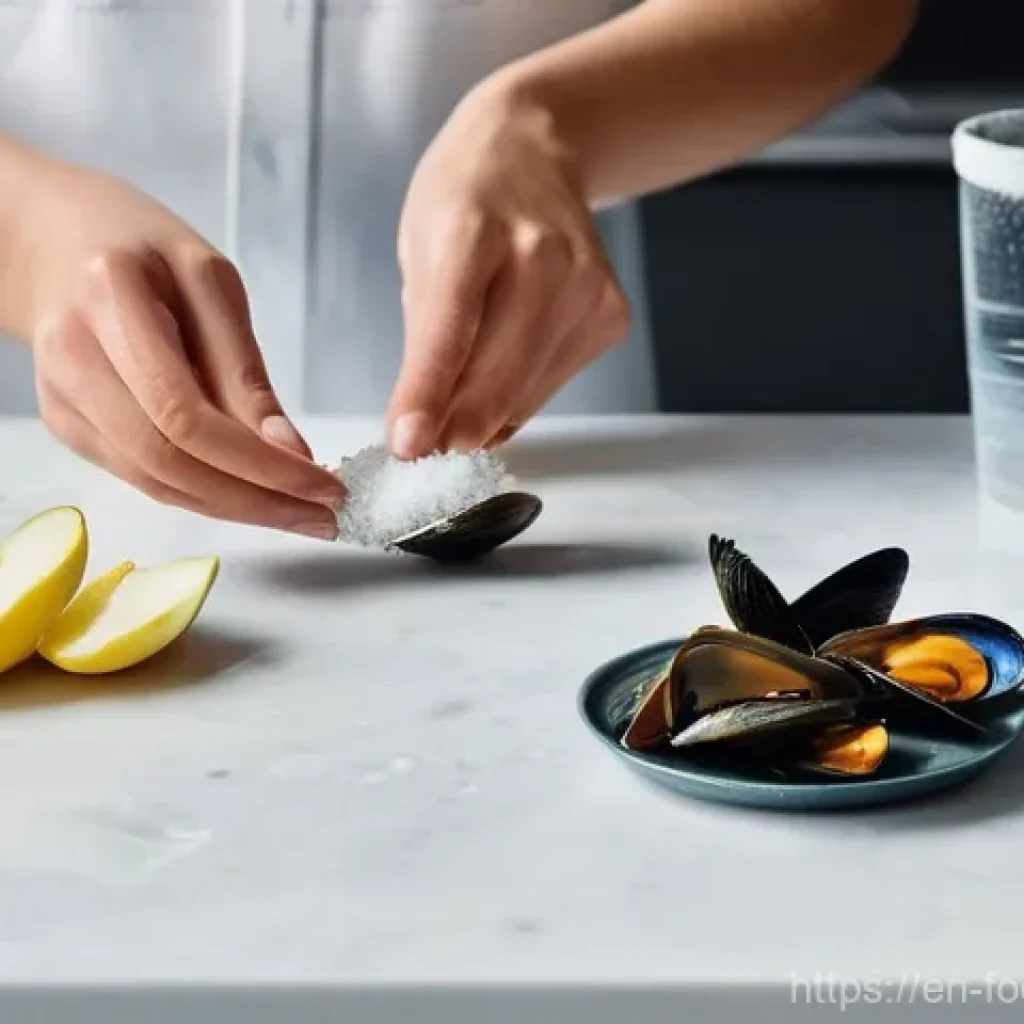
If you’re like me, you probably love a good plate of seafood. But here’s the kicker: the ocean, sadly, is a massive reservoir of plastic pollution, and those microplastics are ending up in our marine life. Filter feeders like clams, mussels, and oysters are particularly susceptible, taking in these tiny particles as they filter seawater. And it’s not just shellfish; studies have found microplastics in a vast majority of tested seafood samples. When we eat these animals, we’re essentially consuming whatever they’ve ingested. This really hit home for me, making me rethink my choices at the fish counter. Even something as fundamental as table salt isn’t immune. One study found microplastics in 90% of sampled salt brands globally, likely due to environmental contamination and the packaging process. So, that sprinkle on your dinner? It might come with a side of microplastic.
Beyond the Ocean: Everyday Kitchen Contaminants
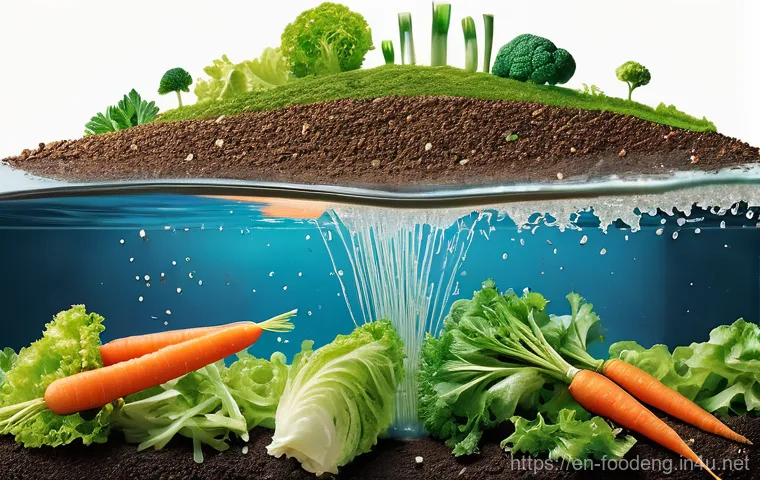
And it doesn’t stop at the sea. Think about bottled water, a staple for so many of us. Recent research suggests that bottled water can contain hundreds of thousands of plastic nanoparticles per liter. That’s a staggering thought! Even our beloved tea bags, especially those made with synthetic materials, can shed millions of microplastic particles when steeped in hot water. I used to grab a quick tea bag without a second thought, but now I’m definitely leaning towards loose-leaf. Then there are the fruits and vegetables we carefully select. It turns out that plants can absorb microplastics from the soil through their root systems, contaminating the edible parts. Apples and carrots, for example, have been found to have significant microplastic loads. And let’s not forget about rice; a University of Queensland study even found 3 to 4 milligrams of plastic in every half cup of rice, with instant rice packets containing four times that amount. It’s a sobering reminder that these tiny invaders are truly everywhere.
The Unseen Journey: How Microplastics Infiltrate Our Plates
It’s truly fascinating, and a little terrifying, to trace the journey of microplastics from their origin to our dinner tables. It’s not a straightforward path, which is part of what makes it such a tricky problem to tackle. When I started digging into the specifics, I realized it’s a multifaceted issue, with contamination happening at various points along the food chain. It really makes you appreciate the complexity of our modern food systems and how intertwined they are with plastic production and disposal.
From Production to Your Pantry: The Lifecycle of Plastic Contamination
The journey often begins with larger plastic items – think bottles, bags, and fishing gear – that break down over time due to weathering, UV radiation, and mechanical forces. These fragments, now microplastics, can end up almost anywhere. Wastewater systems, for instance, aren’t always equipped to filter out these minuscule particles, allowing them to enter rivers and oceans. Then there’s the agricultural side. The use of plastic mulches and irrigation with contaminated water introduces microplastics directly into the soil where our produce grows. Studies have shown that plants can actually take up these tiny particles through their roots, which means even fresh fruits and veggies can have them. It’s not just about direct contact with plastic packaging, though that’s certainly a factor. Even the air we breathe indoors contains microplastic fibers that can settle on our food. When I learned this, I started looking at my dust bunnies in a whole new, less-than-charming light!
The Processing Predicament: Packaging and Preparation
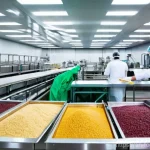
Beyond the environmental contamination, the way our food is processed, packaged, and even prepared at home can add to the microplastic load. Highly processed proteins, for example, like plant-based alternatives or breaded shrimp, tend to have higher microplastic levels, suggesting contamination can occur during manufacturing, perhaps from conveyor belts or workers’ clothing. And while the FDA suggests that microplastics from packaging might not migrate significantly into food, other experts still recommend avoiding plastic-wrapped foods where possible. I’ve personally tried to minimize plastic food storage containers, especially for fatty foods, because chemicals like BPA and phthalates, which are endocrine disruptors, can leach into food, particularly when heated. Those scratched plastic containers? They’re shedding tiny bits of plastic directly into your meals! It’s like a hidden tax on convenience, isn’t it?
The Health Equation: What Microplastics Mean for Our Bodies
Alright, let’s get to the nitty-gritty: what does all this mean for *us*? This is the part that frankly keeps me up at night sometimes. When I first heard about microplastics, I brushed it off as another environmental issue, far removed from my immediate health. But the more I delve into the research, the more I realize that these invisible particles are making their way inside us, and scientists are still just scratching the surface of understanding the long-term impacts. It’s not a simple case of “eat plastic, get sick,” but rather a complex interplay of various factors that could subtly, yet significantly, affect our well-being.
Inflammation, Hormones, and Gut Health: Early Warning Signs
Current studies, many of them quite recent, are starting to paint a concerning picture. Ingested microplastics have been found to accumulate in our circulatory system and various organs, including the brain. And what happens when they’re there? Researchers suggest they can trigger inflammation and tissue damage. My own personal experience with inflammatory issues has made me particularly sensitive to this idea; it makes me wonder if there’s a connection we’re not fully aware of yet. Beyond inflammation, there’s growing concern about endocrine-disrupting chemicals (EDCs) found in plastics, like phthalates and BPA, which can interfere with our hormone systems. This kind of disruption can have wide-ranging effects, from reproductive issues to metabolic disorders. And let’s not forget our gut! The microbiome, that incredible universe within our digestive system, appears to be impacted too. Research suggests that more plastic in our gut might be linked to inflammatory bowel disease. It’s all interconnected, and frankly, it feels like our bodies are trying to tell us something.
Long-Term Worries: Heart, Brain, and Beyond
While the FDA states that current scientific evidence doesn’t demonstrate that the levels of microplastics found in foods pose a risk to human health, they are also actively monitoring the research and acknowledge that many studies have used methods of variable accuracy. However, other recent studies are raising significant red flags. For instance, micro- and nanoplastics have been detected within carotid artery plaques, with their presence linked to a higher risk of major cardiovascular events. That’s a pretty sobering thought, isn’t it? There’s also research indicating potential impacts on neurological function and memory, and even a possible link to increased Alzheimer’s risk. The truth is, these plastics don’t readily biodegrade, meaning once they’re inside us, they might just stick around, potentially causing long-term issues that we’re only just beginning to comprehend. It’s a stark reminder that what seems harmless today could have unforeseen consequences down the road.
| Common Food Item | Primary Microplastic Sources/Concerns | Why It Matters |
|---|---|---|
| Seafood (especially shellfish) | Ocean pollution, filter feeders accumulate plastics. | Direct ingestion of plastic accumulated in marine animals. |
| Bottled Water | Shedding from plastic bottles themselves, particularly during use. | High number of nanoparticles released, directly ingested. |
| Table Salt & Sugar | Environmental contamination during production and packaging. | Pervasive in daily diet, often overlooked. |
| Tea (from plastic tea bags) | Plastic fibers shed when steeped in hot water. | Direct release of microplastics into a common beverage. |
| Fruits & Vegetables | Uptake from contaminated soil (plastic mulch, wastewater irrigation) and plastic packaging. | Pervasive contamination in otherwise healthy foods. |
| Processed Foods | Contamination during industrial processing, machinery, and packaging. | Higher levels often found due to multiple points of contact with plastics. |
Taking Back Our Kitchen: Practical Steps to Cut Down Plastic

After all this research, you might feel a bit overwhelmed, and trust me, I get it! It’s easy to throw your hands up and think, “What’s the point? It’s everywhere!” But I’ve found that small, intentional changes in our daily routines, especially in the kitchen, can make a real difference. It’s not about perfection, it’s about progress, and empowering ourselves where we can. This isn’t just about my health; it’s about setting a better example for my family and contributing to a healthier planet. And let me tell you, once you start making these swaps, it feels really good.
Rethinking Your Food Storage and Cookware
One of the biggest culprits in our homes is often where we store and prepare our food. I used to have a cupboard full of plastic containers, but not anymore! My personal mantra has become: “When in doubt, go glass or stainless steel.” These materials are inert, meaning they won’t leach chemicals or microplastics into your food, especially when heated. I’ve swapped out all my plastic food storage for glass jars and containers, and it’s been a game-changer. For cooking, think cast iron, stainless steel, or ceramic instead of non-stick pans with questionable coatings. Even something as simple as replacing your plastic cutting board with a wooden or bamboo one can reduce microplastic shedding into your food. It’s a bit of an upfront investment, but think of it as an investment in your long-term health and peace of mind.
Smart Shopping and Hydration Habits
The grocery store can be a minefield of plastic, but with a few tweaks to your shopping habits, you can significantly reduce your exposure. I try to buy fresh, unpackaged produce whenever possible, bringing my own reusable bags for fruits and veggies. Choosing items sold in glass or cardboard instead of plastic packaging for things like salt, sugar, and even sauces, is another great step. And when it comes to hydration, ditching single-use plastic water bottles is a no-brainer. I always carry a reusable stainless steel or glass water bottle, and at home, I’ve invested in a good water filter, like a reverse osmosis system, to minimize microplastics in my drinking water. It’s amazing how much less plastic waste you generate, and how much clearer your water tastes, once you make that switch. These small acts truly add up, and every little bit helps.
Beyond the Kitchen: A Holistic Approach to Less Plastic
While our kitchens are a fantastic place to start, the truth is, microplastics are so pervasive that reducing our exposure requires a broader perspective. It’s about creating a less plastic-dependent lifestyle, not just within the four walls of our home, but in how we interact with the world around us. This has been a journey for me, realizing that many small adjustments across different areas of my life contribute to a much larger positive impact. It’s less about drastic, immediate overhauls and more about conscious, consistent choices.
Mindful Choices in Everyday Products
Think about the things you use daily that might be silently contributing to the microplastic problem. Personal care products, for instance, used to contain microbeads, which are primary microplastics, though many countries have now banned them. Even synthetic clothing sheds microfibers when washed, which can end up in our waterways. Opting for natural fibers like cotton, wool, or linen where possible, and using a laundry filter, can help. I’ve also been paying more attention to the materials in my household cleaning supplies and opting for natural fiber brushes and sponges instead of synthetic ones that shed plastic particles. And let’s not forget about takeout containers! While it’s tough to avoid them entirely, bringing your own reusable containers to restaurants for leftovers or takeout, if they allow it, is a simple yet powerful act. It’s about being an active participant in reducing the demand for single-use plastics.
Advocacy and Awareness: Making Your Voice Heard
Ultimately, individual efforts, while important, won’t solve the microplastic crisis alone. This is a systemic issue that requires bigger changes. That’s why I truly believe in the power of advocacy and raising awareness. Talk to your friends and family about what you’ve learned. Support brands and companies that are genuinely committed to sustainable practices and reducing plastic in their products and packaging. Engage with local environmental groups or participate in community clean-up initiatives. Even just educating yourself on the latest research and staying informed is a huge step. While the thought of a credit card’s worth of plastic entering our bodies each week can be alarming, remembering that we have the power to make conscious choices and demand change can be incredibly empowering. It’s a journey, not a destination, but every step we take towards a less plasticized world is a step towards a healthier future for all of us.
Wrapping Up Our Journey
Whew! It’s been quite a journey through the world of microplastics in our food, hasn’t it? Honestly, when I first started unraveling this topic, it felt like staring into an abyss of unseen challenges.
But what I’ve realized, and what I hope you take away from this, is that while the problem is vast, our individual power to make a difference in our own lives, and collectively, is even greater.
It’s about conscious living, empowering ourselves with knowledge, and making choices that resonate with our values for health and a cleaner planet. Let’s keep learning, keep asking questions, and most importantly, keep striving for a more mindful way of eating and living.
We’re in this together, and every little step counts!
Useful Information to Know
It’s easy to feel overwhelmed, but empowering yourself with practical knowledge is key. Here are some actionable steps I’ve personally adopted and recommend to anyone looking to reduce their microplastic footprint in the kitchen and beyond.
These aren’t just theoretical tips; they’re changes that have made a tangible difference in how I approach my daily consumption and contribute to my sense of well-being.
Think of these as your go-to guide for a slightly greener, healthier everyday. Every small adjustment truly adds up over time, creating a ripple effect that benefits not only you but also the wider environment, helping to push for broader systemic changes in the process.
It’s about being proactive rather than reactive, taking control where you can, and feeling good about the conscious choices you’re making day in and day out.
1.
Make the switch to glass or stainless steel for all your food storage needs. This isn’t just for leftovers; consider glass jars for pantry staples like grains, pasta, and spices. When cooking, prioritize cast iron, stainless steel, or ceramic cookware over non-stick alternatives that can shed harmful coatings and microplastics, especially when scratched or heated to high temperatures. This shift minimizes the risk of plastic leaching into your meals, ensuring your ingredients remain as pure as possible from preparation to plate.
2.
Become a savvy shopper at the grocery store by prioritizing fresh, unpackaged produce. Embrace reusable mesh bags for fruits and vegetables instead of the flimsy plastic ones provided. Actively seek out products packaged in glass, paper, or cardboard, such as milk, yogurt, sauces, and dry goods, to consciously reduce the amount of plastic entering your home and, ultimately, the waste stream. Every item chosen outside of plastic packaging is a small victory.
3.
Ditch single-use plastic water bottles for good. Invest in a high-quality reusable water bottle made from stainless steel or glass and make it your constant companion. At home, consider installing a water filter – a simple pitcher filter, a faucet-mounted filter, or even a more comprehensive reverse osmosis system – to ensure your drinking water is as free as possible from microplastic particles and other contaminants. Hydration should be clean, not a source of plastic exposure.
4.
Extend your plastic-reduction efforts beyond the kitchen to your personal care and clothing choices. Opt for personal care products that come in glass or metal containers, or even consider making your own with natural ingredients. When it comes to clothing, prioritize natural fibers like organic cotton, linen, hemp, and wool over synthetics (polyester, nylon, acrylic) that shed microfibers during washing. Using a laundry filter can also capture these tiny plastic strands before they enter waterways.
5.
Use your purchasing power to support companies and brands that are transparent about their commitment to sustainability and actively working to reduce plastic in their products, packaging, and supply chains. Research brands that offer refill options, use innovative biodegradable materials, or have robust recycling programs. Engage with these companies, share your feedback, and become an advocate for a less plastic-dependent economy. Your voice, combined with your choices, can drive significant industry change.
Key Takeaways
After diving deep into the intricate world of microplastics and their presence in our food, it’s clear that this isn’t just an environmental issue but a personal health concern that demands our attention.
We’ve seen how these minuscule invaders permeate everything from the seafood we enjoy to the fruits and vegetables we carefully select, making their way into our bodies through various unexpected pathways.
While scientific research is still unraveling the full spectrum of long-term health impacts, preliminary findings suggest potential links to inflammation, hormonal imbalances, and even cardiovascular risks, underscoring the urgency of understanding and addressing this pervasive problem.
It’s a sobering reality, but one that empowers us to make more informed decisions about what we consume and how we interact with plastics in our daily lives.
The good news, however, is that we aren’t powerless in the face of this challenge; instead, every conscious choice we make, from glass containers to filtered water, contributes to a safer, healthier future for ourselves and the planet.
This journey towards a less plastic-dependent lifestyle is a collective one, where individual actions, combined with broader advocacy, hold the key to turning the tide against this invisible threat.
It’s about being informed, empowered, and proactive in creating a cleaner world, one mindful step at a time.
Frequently Asked Questions (FAQ) 📖
Q: So, how exactly are these tiny microplastics finding their way into the food we eat every day?
A: This is a question that truly keeps me up at night sometimes, and it’s one I hear a lot from you amazing folks! From what I’ve gathered and personally observed, microplastics are incredibly sneaky and enter our food chain through a few main routes.
First off, a huge culprit is our beloved seafood. Oceans are brimming with plastic pollution, and these micro-fragments get ingested by marine life, from tiny plankton to the fish and shellfish we enjoy.
When we eat them, well, you can connect the dots. Beyond the ocean, something as seemingly innocent as bottled water can be a source – those plastic bottles can actually leach tiny plastic particles into the water, especially when exposed to heat.
And let’s not forget our packaged foods! Think about it: many items come wrapped in plastic, or processed using equipment that might shed microscopic bits.
Even the dust in the air in our homes can contain microplastics that settle onto our uncovered food. It’s a pretty pervasive problem, making it hard to completely avoid, which is why understanding the pathways is our first step!
Q: This sounds a bit scary. What are the actual health implications of us unknowingly consuming microplastics through our diet?
A: Honestly, this is where it gets a little unnerving, and it’s definitely a topic that needs more serious scientific spotlight. While the long-term effects on human health are still being thoroughly researched – because, let’s face it, this is a relatively new area of concern – what we do know already is quite concerning.
Think about it: these aren’t just inert particles; they can carry harmful chemicals that were used in their production, or even absorb toxins from the environment around them.
When they enter our bodies, there’s a worry about these chemicals leaching out. Some studies suggest potential issues like inflammation, disruption to our gut microbiome (which is SO important for overall health, as I always preach!), and even effects on our hormone systems.
I’ve personally felt a shift in how I view my food choices, knowing these invisible invaders could be subtly impacting my well-being. It’s not about panicking, but about being aware that we’re introducing foreign substances into our systems, and our bodies might not be equipped to handle them.
Q: Okay, so this is definitely a big concern. What practical steps can we take as individuals to reduce our exposure to microplastics in our food?
A: Okay, so this is the million-dollar question, right? Because while the problem feels huge, we’re not powerless! I’ve personally made a few changes that I genuinely feel good about, and they’re totally doable for everyone.
My absolute top tip is to drastically cut down on single-use plastics. Think reusable water bottles (I’m obsessed with my stainless steel one!), bringing your own bags to the grocery store, and opting for produce that isn’t pre-packaged.
Another big one is to rethink bottled water; investing in a good water filter for your tap water is a game-changer – it tastes better and dramatically reduces your microplastic intake.
When it comes to food storage, ditch the plastic containers where you can and switch to glass or stainless steel. And here’s a crucial one: avoid microwaving food in plastic!
The heat can cause more plastic particles to leach into your meal. I also make a conscious effort to buy more fresh, whole foods and fewer heavily processed, plastic-wrapped items.
Even something as simple as thoroughly rinsing your fruits and vegetables can help. Every little bit counts, and these changes, while seemingly small, add up to a significant reduction in your daily microplastic diet!