Food safety and hygiene are more than just buzzwords; they’re the foundation of a healthy life, and honestly, something I’ve become super passionate about in my own kitchen.
Every year, millions of people worldwide get sick from foodborne illnesses, and a significant number even die, with young children being disproportionately affected.
When I think about my family and the meals we share, ensuring every bite is safe is always at the back of my mind. It’s a responsibility that extends from the farm to our dinner plates, and frankly, it demands our collective attention.
From my perspective, staying on top of the latest food safety practices isn’t just about avoiding a dreaded stomach bug; it’s about embracing a lifestyle that values health and well-being.
I’ve noticed how quickly information spreads these days, and sadly, misinformation can be just as prevalent, making it tricky to discern what truly keeps our food safe.
But trust me, with the rapid advancements in smart kitchen technology, AI-powered monitoring, and even blockchain for traceability, the future of food safety is looking incredibly exciting and, thankfully, far more secure than ever before.
This isn’t just for commercial kitchens anymore; these innovations are slowly but surely making their way into our homes, giving us unprecedented control and peace of mind.
So, if you’re ready to empower yourself with the knowledge to navigate this evolving landscape, from understanding common contaminants like pesticides and pathogens to leveraging cutting-edge tools, let’s dive into how we can all become food safety superheroes in our daily lives.
We’ll break down exactly what you need to know to keep your meals delicious and, most importantly, safe.
Beyond the Fridge: Smart Storage Secrets
You know, it’s funny how much we rely on our refrigerators and pantries, but how little thought we often give to *how* we’re actually using them. I mean, I used to just toss things in wherever they fit, hoping for the best. But through a few unfortunate (and smelly!) incidents, I’ve learned that smart storage is absolutely crucial for keeping our food safe and extending its life. It’s not just about avoiding spoilage; it’s about preventing the invisible battles happening between different types of food. Think about it: that fresh chicken breast shouldn’t be dripping onto your crisp lettuce, right? This seemingly small detail can have a huge impact on preventing cross-contamination and keeping nasty bacteria at bay. I’ve found that taking just a few extra moments to organize things properly can save so much heartache (and stomachache!) in the long run. It’s a game-changer for reducing waste and making sure every ingredient gets to shine in your dishes without any unwelcome guests. Plus, a well-organized fridge just makes cooking so much more enjoyable, don’t you think? It’s like a little act of self-care for your kitchen, and honestly, a huge step towards true food security in your home.
The Chill Factor: Optimal Refrigerator Zones
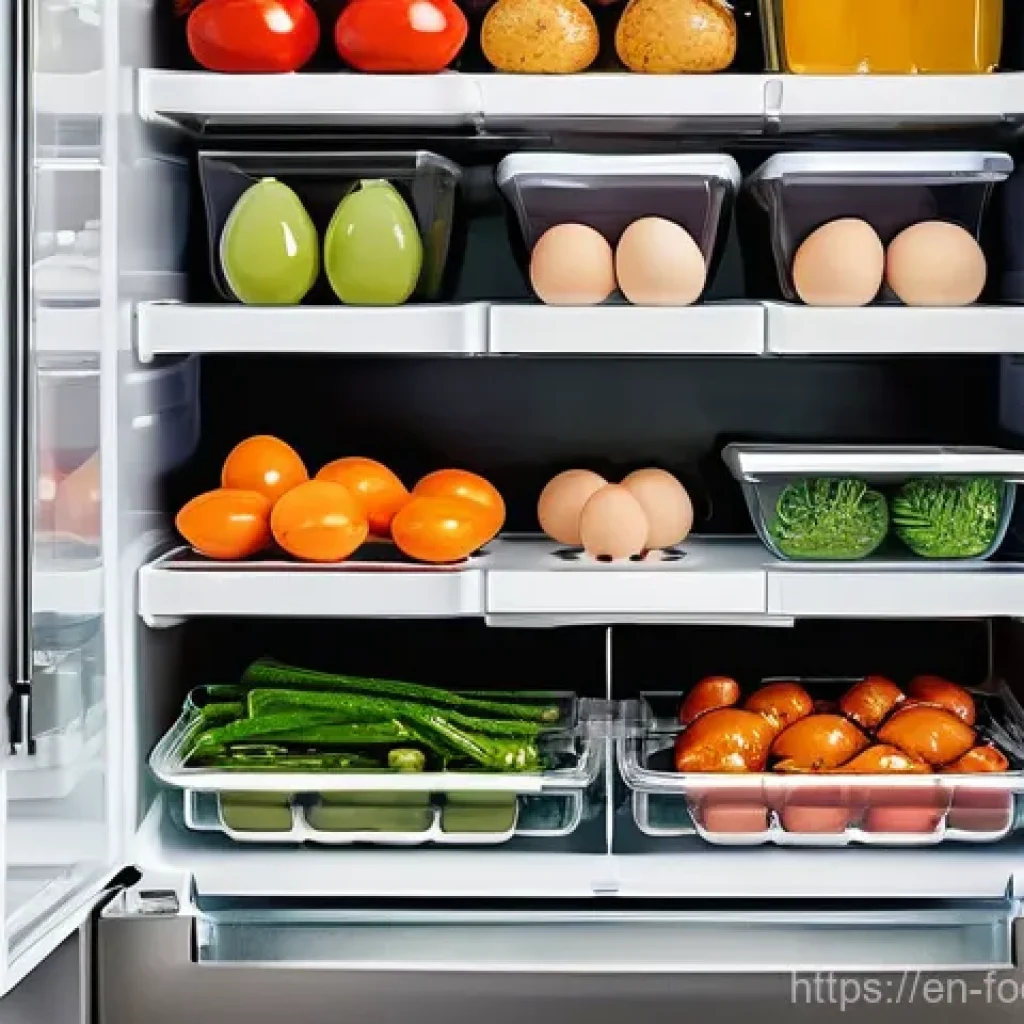
Ever wonder why some sections of your fridge seem to keep things fresher than others? It’s not just your imagination! Different areas of your refrigerator maintain slightly different temperatures, making them ideal for specific food types. For example, the coldest spots, usually the bottom shelf or back, are perfect for raw meats, poultry, and seafood – always stored in sealed containers to avoid any drips. This isn’t just a suggestion; it’s a critical step in preventing harmful bacteria from spreading. Dairy products and eggs do best on middle shelves where the temperature is consistent, while your deli meats and leftovers can comfortably hang out on the upper shelves. And those door shelves? They’re the warmest spot in the fridge due to frequent opening, so they’re best reserved for condiments, drinks, and other items with a longer shelf life that aren’t as temperature-sensitive. Trust me, once you start zoning your fridge, you’ll notice a massive difference in how long your food lasts and how much safer it feels.
Pantry Power: Keeping Dry Goods Dry and Safe
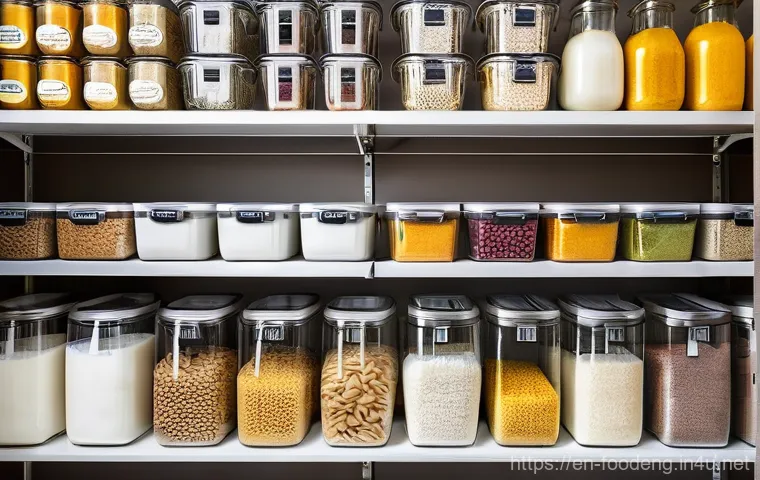
Moving beyond the cold, our pantries are another frontier in the battle for food safety. I used to just dump bags of rice and flour into my cupboards, only to find them infested with pantry pests a few weeks later. Talk about a nightmare! Now, I swear by airtight containers for everything – cereals, pasta, flour, sugar, even snacks. Not only do they keep out those unwelcome critters, but they also protect against moisture and air, which can cause food to go stale or develop off-flavors. Labeling everything with the date of purchase or when it was opened is another simple trick that makes a huge difference. It helps you rotate your stock, ensuring you use older items first and significantly reducing food waste. Don’t forget to store items like potatoes and onions in cool, dark, and well-ventilated areas, but keep them separate from each other, as onions can make potatoes sprout faster. It’s all about creating an environment where your dry goods can thrive, safe from spoilage and pests.
Mastering the Heat: Cooking Temperatures You Can Trust
There’s a certain thrill in cooking, isn’t there? The sizzle of a pan, the aroma filling the kitchen… but behind all that deliciousness lies a vital science: temperature. I’ve learned the hard way that guessing when food is “done” is a recipe for disaster. Getting sick from undercooked food is not only unpleasant but can be genuinely dangerous, especially when we’re talking about poultry or ground meats. It’s a responsibility I take seriously, not just for my family, but for anyone I’m sharing a meal with. Cooking food to the correct internal temperature is the ultimate safeguard against foodborne pathogens. These microscopic invaders can’t stand the heat, and reaching specific temperatures is what finally knocks them out. It’s not about burning your food, but about ensuring every part of it, especially the thickest sections, reaches that safe zone. A good food thermometer isn’t just a kitchen gadget; it’s an indispensable tool that offers peace of mind and guarantees a safe, delicious meal every single time. Honestly, it’s one of the best investments I’ve made for my kitchen.
Thermometer Talk: Your Best Friend in the Kitchen
If you don’t have a reliable food thermometer, stop what you’re doing and get one! Seriously, it’s a game-changer. I used to rely on visual cues – “Is the chicken white all the way through?” – but those are just unreliable guesses. A digital meat thermometer gives you an accurate internal reading in seconds, removing all doubt. For poultry, you’re aiming for 165°F (74°C) in the thickest part, without touching bone. Ground meats also need to hit 160°F (71°C), while beef, pork, veal, and lamb steaks, chops, and roasts can be cooked to a minimum of 145°F (63°C) with a three-minute rest time. Even leftovers should be reheated to 165°F (74°C). This isn’t about being overly cautious; it’s about being smart and using the tools available to protect ourselves and our loved ones. It’s a small step that makes a monumental difference in food safety.
Avoiding the Cross-Contamination Catastrophe
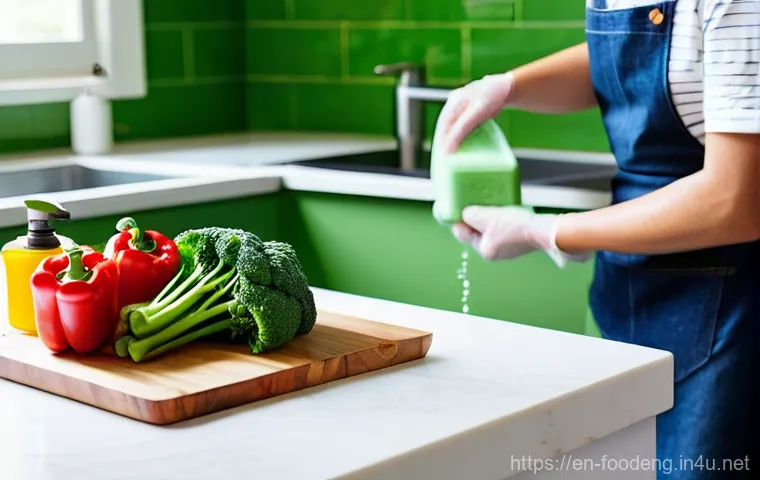
Okay, so cooking to temperature is half the battle, but what about before the heat hits? Cross-contamination is a silent killer in many kitchens, and it’s something I’m super diligent about now. It’s when harmful bacteria from raw foods (like poultry juices) spread to ready-to-eat foods or surfaces. My personal rule of thumb? Separate everything! Use different cutting boards for raw meats and produce. If you only have one, wash it thoroughly with hot, soapy water between uses, or better yet, sanitize it. Also, never place cooked food back on the same plate or surface that held raw meat. And those kitchen sponges? They’re notorious breeding grounds for bacteria, so sanitize them regularly or replace them often. It might seem like a lot of steps at first, but once you get into the habit, it becomes second nature, and you’ll cook with so much more confidence knowing you’re protecting everyone at your table.
The Invisible Threat: Understanding Common Contaminants
When we talk about food safety, it’s easy to focus on the obvious, like moldy bread or raw chicken. But there’s a whole world of invisible threats that silently compromise our food and, consequently, our health. These aren’t just abstract concepts; they are real dangers that can lurk in our meals if we’re not vigilant. Pathogens like Salmonella, E. coli, and Listeria are infamous for causing severe foodborne illnesses, and they often don’t leave any visual or olfactory clues. I mean, who hasn’t heard a horror story about a restaurant outbreak or a product recall? These incidents drive home the point that understanding *what* we’re up against is the first step to truly protecting ourselves. Beyond bacteria, we also have to contend with chemical contaminants like pesticides on produce or even naturally occurring toxins. It might sound a bit daunting, but with a little knowledge, we can navigate these risks and make informed choices to keep our meals pristine and safe from these hidden dangers.
Decoding Pathogens: Your Everyday Enemies
Let’s get real about bacteria. Salmonella, E. coli O157:H7, and Listeria monocytogenes are names that probably ring a bell, and for good reason – they’re responsible for a significant number of foodborne illnesses annually. Salmonella is often found in raw poultry, eggs, and unpasteurized dairy. E. coli is notorious for contaminating undercooked ground beef and raw produce, while Listeria can pop up in deli meats, soft cheeses, and even refrigerated ready-to-eat foods. The scary part? You often can’t see, smell, or taste these pathogens. That’s why practicing diligent hygiene, cooking to proper temperatures, and avoiding cross-contamination are absolutely non-negotiable. Knowing where these villains typically hide empowers you to be extra cautious with specific food types. It’s like knowing your opponent’s weaknesses – you can plan your defense accordingly and keep your kitchen a safe zone.
Beyond Bacteria: Chemical and Environmental Risks
While bacteria get a lot of airtime, they’re not the only contaminants we need to worry about. Chemical contaminants are another significant concern. Think about pesticides used in agriculture – while regulated, residues can remain on produce. That’s why washing fruits and vegetables thoroughly, even organic ones, is always a good idea. Then there are natural toxins, like those found in certain mushrooms if incorrectly identified, or even specific fish that can carry ciguatera toxin. Furthermore, heavy metals like lead or mercury can enter our food chain through environmental pollution. While we can’t control all these factors, we can certainly minimize our exposure by sourcing food from reputable suppliers, washing produce meticulously, and being informed about local advisories, especially concerning fish consumption. It’s about being an educated consumer and making the best choices for your health.
The Smart Kitchen Revolution: Tech for Total Peace of Mind
Okay, so we’ve talked about the tried-and-true methods, the stuff our grandparents probably knew, albeit without the fancy names. But seriously, the advancements happening in kitchen technology right now? They’re mind-blowing and honestly, they’re making food safety so much easier for us home cooks. I mean, we’re not just talking about smarter refrigerators anymore; we’re seeing everything from AI-powered sensors that detect spoilage to devices that use UV light to sanitize surfaces. It’s like living in a sci-fi movie, but it’s our reality, and it’s making our kitchens safer than ever before. For someone like me, who’s always trying to optimize and streamline, these innovations are a dream come true. They’re not just gadgets; they’re tools that empower us with real-time data and automated processes, taking some of the guesswork and worry out of food preparation. Imagine a world where your fridge tells you exactly when that milk is *actually* going bad, or a cutting board that sanitizes itself! We’re not quite there universally, but the trends are definitely pointing in that direction, and it’s incredibly exciting.
AI and Sensors: Your Kitchen’s New Guardians
The rise of smart sensors and artificial intelligence in the kitchen is truly transformative. We’re seeing smart fridges that monitor inventory and expiration dates, sending alerts to your phone before something spoils. Some cutting-edge concepts even include sensors that can detect the presence of certain bacteria on surfaces or in raw ingredients. Imagine a small device that scans your chicken before you cook it and gives you a green light! While still evolving for widespread home use, the underlying technology is already being deployed in commercial settings and is slowly trickling down. These AI-driven systems can analyze patterns in food storage, usage, and even air quality, providing personalized recommendations to extend shelf life and ensure optimal safety. It’s like having a food safety expert living in your kitchen, constantly watching out for you. This kind of predictive analysis is a massive leap forward from simply checking a “best by” date.
Blockchain and Traceability: Knowing Your Food’s Journey
Beyond what’s happening *in* your kitchen, the transparency *before* food even gets to you is rapidly improving thanks to technologies like blockchain. For me, knowing where my food comes from is increasingly important. This isn’t just a trend; it’s a fundamental shift towards greater accountability in the food supply chain. Blockchain technology creates an immutable, transparent record of a food product’s journey from farm to fork. Every step – planting, harvesting, processing, shipping, and even temperature logs – can be recorded. What does this mean for you? If there’s a recall, you can pinpoint the exact origin of a contaminated item much faster, limiting potential harm. It also means you can verify claims about organic sourcing, fair trade, or specific handling practices. While it’s still gaining traction, this level of traceability gives consumers unprecedented power and peace of mind, allowing us to make far more informed choices about the food we purchase and consume.
Washing Wisdom: The Foundation of Clean Eating
It sounds almost too simple, doesn’t it? “Just wash your hands!” or “Rinse your produce.” But honestly, if there’s one single, most impactful thing we can all do to improve food safety in our homes, it’s meticulous washing. I’ve been in countless kitchens where people just give their greens a quick splash under the faucet and call it a day, or handle raw meat and then immediately grab a spice jar without thinking. These seemingly small shortcuts are exactly where germs love to set up shop and wreak havoc. The truth is, harmful bacteria, dirt, and even pesticide residues can cling stubbornly to our hands, utensils, and fresh produce. It’s not just about getting rid of visible grime; it’s about eliminating the microscopic threats we can’t see. Making handwashing a ritual before, during, and after cooking, and really giving our fruits and veggies the attention they deserve, is the absolute bedrock of a safe and healthy kitchen. It’s a habit that takes minutes but offers monumental protection, and it’s something I’ve instilled in my own household as a non-negotiable part of our cooking routine.
The Art of Handwashing: More Than Just Soap and Water
Let’s talk about handwashing, because honestly, most people aren’t doing it correctly. It’s not just a quick rinse. To effectively remove germs, you need to wet your hands with clean, running water, apply soap, and lather them thoroughly for at least 20 seconds. That’s about the time it takes to sing “Happy Birthday” twice! Make sure to scrub the backs of your hands, between your fingers, and under your nails. Then, rinse well under clean, running water and dry them with a clean towel or air dry. I keep a timer in my head, especially after handling raw meat or poultry, or after using the restroom. This simple, yet often overlooked, step is your first line of defense against transferring bacteria from your hands to your food or cooking surfaces. It’s a basic but powerful habit that can prevent a lot of potential illness.
Produce Prep: Cleaning Your Fruits and Veggies Right
When it comes to fruits and vegetables, I know many of us have heard conflicting advice. “Do I use soap?” “Just water?” Here’s the deal: for most produce, a thorough rinse under cold running water is enough. For firmer produce, like potatoes, carrots, or apples, use a clean vegetable brush to scrub away dirt and surface bacteria. You don’t need fancy produce washes; plain old water and friction do a fantastic job. Remember, peelable produce like bananas or oranges should still be washed before peeling, as bacteria on the skin can transfer to the edible part. Leafy greens need a bit more attention – separate the leaves and rinse them individually to dislodge any dirt or bugs. Drying your produce is also important, not just for taste, but because excess moisture can encourage bacterial growth. It’s a small effort that ensures your healthy additions to a meal are truly clean and safe to eat.
Mind Your Meat: Handling Raw Proteins Like a Pro
Okay, let’s get down to the nitty-gritty of handling raw proteins. This is where a lot of food safety mistakes happen, and it’s understandable – raw meat can feel a bit intimidating. But it doesn’t have to be! I’ve had my fair share of close calls, like almost putting a raw chicken marinade spoon back into a cooked dish (cue the horror movie scream!), which really drove home the importance of being super intentional with every step. Raw meat, poultry, and seafood are natural carriers of bacteria that can cause serious illness if not handled correctly. This isn’t about being paranoid; it’s about being proactive and respecting the potential risks. From the moment these proteins enter your kitchen until they’re safely cooked, every interaction matters. Taking a few extra precautions during preparation can make all the difference between a delicious, safe meal and a truly regrettable experience. Trust me, once you get into a routine of mindful handling, it becomes second nature and you’ll cook with so much more confidence.
Separation is Key: Preventing Cross-Contamination
My number one rule with raw meat? Keep it separate! Always. This means separate cutting boards – one for raw proteins, one for ready-to-eat foods like vegetables. If you only have one, wash and sanitize it thoroughly between uses. Better yet, designate a specific board just for raw meats. Use separate utensils, plates, and even different towels. Never, ever place cooked food back on a plate that held raw meat. When shopping, place raw meats in a separate bag from other groceries to prevent drips from contaminating other items. In the fridge, store raw meats on the lowest shelf, in sealed containers, to ensure any juices don’t drip onto other foods. These aren’t just suggestions; they are crucial steps to prevent harmful bacteria from spreading throughout your kitchen and onto foods you’re about to eat raw.
Thawing Safely: No Room for Shortcuts
How you thaw your frozen proteins is just as important as how you cook them. The “leave it on the counter all day” method is an absolute no-go, and I’ve regretting trying it in my younger, less-informed days. The danger zone for bacterial growth is between 40°F and 140°F (4°C and 60°C), and thawing at room temperature allows bacteria to multiply rapidly on the surface of your food while the center is still frozen. The safest ways to thaw are in the refrigerator overnight, in cold water (changing the water every 30 minutes), or in the microwave (if you plan to cook it immediately). Refrigerator thawing takes time, so plan ahead! For example, a large turkey can take days. For quick thawing, the cold water method works well, but make sure the food is in a watertight bag. And if you use the microwave, cook the meat right after thawing, as some areas may begin to cook. No shortcuts here; safety first!
The Shelf-Life Saga: Understanding Dates and Discarding
Navigating the jungle of “best by,” “use by,” and “sell by” dates on our food can feel like deciphering a secret code, can’t it? I know I used to get so confused, often throwing out perfectly good food just because a date had passed, or worse, keeping something a little too long and regretting it. But understanding these labels is absolutely fundamental to both reducing food waste and ensuring our safety. These dates aren’t just arbitrary numbers; they’re often indicators of quality, freshness, and sometimes, indeed, safety. They provide a roadmap for when food is at its peak and when it might start to decline. It’s a delicate balance, trying to be economical and eco-conscious while also being vigilant about potential health risks. I’ve learned that a keen eye and a bit of sniff test can go a long way, but sometimes, those dates really do hold the key to preventing a foodborne illness. Let’s break down what these labels truly mean so you can shop smarter and eat safer, all while being a little kinder to your wallet and the planet.
Date Decoder: “Best By,” “Use By,” and “Sell By” Explained
Let’s clear up the confusion around those labels that seem to cover every item in the grocery store. A “Best By” or “Best Before” date is primarily about quality, not safety. It tells you when the product will be at its peak flavor and texture. It’s often safe to eat foods past this date, though the quality might decline. “Use By” is generally found on perishable items and is more directly related to food safety. It’s the last date recommended for the use of the product while at peak quality, and after this date, the food might not be safe to consume. “Sell By” dates are for retailers, indicating how long a product should be displayed for sale. It helps stores manage inventory and doesn’t directly tell you about the product’s safety for consumption at home. Always remember that proper storage – keeping food refrigerated or frozen correctly – plays a massive role in how long food remains safe, regardless of the printed date.
When in Doubt: Trust Your Senses (Carefully) and Discard
While dates are helpful, your senses are also powerful tools – but use them wisely. For many foods, if it looks wrong, smells wrong, or tastes off (just a tiny bit!), it’s probably wrong. Mold is an obvious sign to discard most foods, though some hard cheeses or salamis can be trimmed safely. A sour smell from milk or an unappetizing color on meat are clear indicators. However, and this is crucial, remember that many dangerous bacteria don’t produce any noticeable signs. So, if a “use by” date has passed on a highly perishable item like deli meat or raw chicken, even if it looks and smells fine, it’s safer to discard it. When in doubt, throw it out. It’s a simple rule that can prevent a lot of misery. A few dollars saved isn’t worth a trip to the emergency room, or even just a very uncomfortable day. Prioritizing safety over minimal waste in ambiguous situations is always the smart play.
The Power of Your Plate: Building a Safe Eating Routine
So, we’ve navigated the ins and outs of kitchen safety, from smart storage to understanding those sneaky contaminants. But ultimately, all this knowledge culminates in one place: your plate. What you put on it, and how you get it there, forms the cornerstone of a truly healthy lifestyle. It’s about building habits that become so second nature, you don’t even have to think about them. For me, it’s not just about avoiding getting sick; it’s about savoring every meal, knowing I’ve done everything I can to make it wholesome and safe. It’s a powerful feeling of control and care, not just for myself, but for my loved ones. This holistic approach means thinking about food safety not as a chore, but as an integral part of culinary joy. It’s an ongoing learning journey, adapting to new information and embracing new technologies, all to ensure that the food we share brings only delight, not distress. After all, food is meant to be a source of pleasure and nourishment, and by taking these steps, we ensure it always remains that way.
Eating Out: Navigating Restaurant Risks
Our food safety vigilance doesn’t stop at our kitchen door; it extends to dining out too! I used to just assume every restaurant had impeccable standards, but a few questionable experiences (and a lot of reading up on health inspections) taught me to be a bit more observant. While you can’t see into the kitchen, you *can* notice things like cleanliness of the dining area, staff hygiene, and food temperatures. If a restaurant looks dirty, or if a server handles money and then immediately grabs your bread, those are red flags. Pay attention to how food is served – is hot food actually hot, and cold food cold? Don’t be afraid to send something back if it seems undercooked or unsafe. Trust your gut feeling, literally. Choosing reputable establishments with good reviews and visible health inspection scores can significantly reduce your risk. It’s about being an empowered diner, not a nervous one, and making choices that prioritize your well-being.
Travel-Proofing Your Palate: Food Safety on the Go
Traveling is one of life’s great pleasures, but nothing ruins a trip faster than a bout of food poisoning. I’ve learned this the hard way on more than one occasion! When you’re in an unfamiliar place, especially internationally, food safety rules can be different, or simply not as rigorously enforced. My golden rule: “Boil it, cook it, peel it, or forget it.” This means sticking to thoroughly cooked foods, avoiding raw salads washed in local water, and choosing fruits that you can peel yourself. Be wary of street food unless you can see it being cooked fresh and piping hot. Avoid ice in drinks unless you’re sure it’s made from purified water, and stick to bottled water for drinking and brushing your teeth. It might seem overly cautious, but a little prevention goes a long way in ensuring your adventure isn’t interrupted by an unwelcome stomach bug. It’s about being prepared and making smart choices to fully enjoy your experiences without health worries.
| Food Category | Safe Internal Temperature | Common Contaminants | Storage Best Practice |
|---|---|---|---|
| Poultry (Chicken, Turkey) | 165°F (74°C) | Salmonella, Campylobacter | Store on lowest fridge shelf, sealed; freeze for longer term. |
| Ground Meats (Beef, Pork) | 160°F (71°C) | E. coli O157:H7, Salmonella | Store sealed below other foods; use or freeze quickly. |
| Beef, Pork, Veal, Lamb (Steaks, Roasts) | 145°F (63°C) with 3-minute rest | E. coli, Salmonella | Wrap tightly; store on middle or lower shelf. |
| Fish and Shellfish | 145°F (63°C) | Vibrio, Norovirus, Anisakis | Use within 1-2 days of purchase; store on ice in fridge. |
| Leftovers | 165°F (74°C) | Various bacteria if not reheated properly | Refrigerate within 2 hours; consume within 3-4 days. |
| Eggs | Cook until yolk and white are firm | Salmonella | Store in original carton in the main fridge compartment. |
| Fresh Produce | N/A (Washing is key) | Pesticide residues, E. coli, Listeria | Wash thoroughly; store according to type (fridge/pantry). |
Kitchen Cleanliness: More Than Just a Pretty Sight
You know that feeling when your kitchen is sparkling clean? It’s not just aesthetically pleasing; it’s a huge win for food safety, and honestly, it makes me feel so much more organized and in control. A clean kitchen isn’t just about looking good for guests; it’s about creating an environment where harmful bacteria simply can’t thrive. I used to be a bit haphazard with my cleaning routine, thinking a quick wipe was enough, but after diving deep into the world of germs, I realized just how much more diligent I needed to be. Surfaces, utensils, cutting boards – they all tell a story, and you want that story to be one of pristine cleanliness. Neglecting these areas is essentially rolling out the red carpet for cross-contamination and foodborne illnesses. It’s an ongoing battle, sure, but with the right tools and a consistent routine, it’s a battle you can absolutely win, ensuring every meal prepared in your space is as safe as it is delicious. This commitment to cleanliness isn’t just for commercial kitchens; it’s for every single home cook who values health and well-being.
Sanitize vs. Clean: Knowing the Difference
It’s a common misconception that “clean” means “sanitized.” They’re actually two different, though equally important, concepts in the fight for food safety. Cleaning involves removing visible dirt, food particles, and grease – usually with soap and water. This is your everyday wipe-down of countertops and dishes. Sanitizing, on the other hand, reduces the number of harmful microorganisms to a safe level. You can clean without sanitizing, but you can’t truly sanitize effectively without cleaning first. For home kitchens, a diluted bleach solution (one tablespoon of unscented liquid bleach per gallon of water) or a commercial food-safe sanitizer works wonders for non-porous surfaces like countertops and cutting boards. Even running items through a hot dishwasher cycle can achieve sanitization. I personally make it a point to sanitize my cutting boards and sponges regularly, especially after preparing raw meats. It’s that extra layer of protection that truly gives me peace of mind.
Tackling Tough Spots: Sponges, Sinks, and Drains
Okay, let’s talk about the real germ hotspots in your kitchen. Your sponge? It’s probably the dirtiest item in your entire house if you’re not careful. I used to keep mine way too long. Now, I either microwave a damp sponge for a minute daily or run it through the dishwasher to kill bacteria, and I replace it frequently. Your sink and drain are also breeding grounds for bacteria, accumulating food particles and moisture. A quick rinse isn’t enough; regularly clean and sanitize your sink with a bleach solution or a powerful cleaner. Even your dishtowels can harbor germs if they’re not changed and washed frequently. I recommend having a fresh one every day or two, especially if you’re doing a lot of cooking. These often-overlooked areas are crucial for overall kitchen hygiene, and paying attention to them can dramatically reduce the risk of contamination in your cooking space. It’s all about being thorough and not letting any germ hideouts go unchecked.
Wrapping Things Up
Whew! We’ve covered a lot of ground today, haven’t we? From the nooks and crannies of your fridge to the invisible threats lurking in unwashed produce, food safety is truly a multifaceted journey. What I’ve learned, and what I hope you take away from all of this, is that becoming a kitchen wizard isn’t just about mastering recipes; it’s about mastering the art of safe food handling. It’s an ongoing process, a continuous learning curve, but it’s one that truly empowers us to create nourishing meals with confidence and peace of mind. Every smart choice you make in your kitchen is a step towards a healthier home and a happier, safer plate. Keep learning, keep practicing, and most importantly, keep enjoying every delicious, safe bite!
Handy Tips You’ll Love
1. Refrigerator Inventory Hack: Before your weekly grocery run, snap a quick photo of the inside of your fridge. This visual reminder will prevent you from buying duplicates and help you plan meals around what you already have, reducing waste and ensuring you use items before they spoil. It’s like a superpower for your shopping list!
2. Quick-Chill Your Leftovers: Don’t let hot leftovers sit out for too long. Divide large portions into smaller, shallow containers to help them cool down faster. You can even place warm (not piping hot) containers directly into the fridge. This minimizes time in the “danger zone” where bacteria love to multiply.
3. The Vinegar Sanitizer: For a natural and effective way to sanitize cutting boards and countertops (especially after raw meat), mix equal parts white vinegar and water in a spray bottle. Spray, let sit for 5-10 minutes, then wipe clean. It’s a great alternative to bleach for everyday use.
4. First-In, First-Out (FIFO) in Your Pantry: When you buy new pantry staples, always move older items to the front. This “first-in, first-out” system ensures you use products before they expire, keeping your pantry fresh and organized, and dramatically cutting down on forgotten, out-of-date food.
5. Designate a “Raw” Zone: If you have the space, dedicate a specific corner of your kitchen for all raw meat prep – a particular cutting board, knife, and a small area of the counter. This mental and physical separation makes it easier to avoid cross-contamination and keeps your other surfaces pristine for ready-to-eat foods.
Key Takeaways for a Safer Kitchen
Embracing food safety doesn’t have to be complicated or overwhelming; it’s about consistently practicing a few core principles. Always remember to clean your hands, surfaces, and produce meticulously to prevent the spread of germs. Keep raw meats and their juices completely separate from other foods to avoid cross-contamination. Cook all foods to their proper internal temperatures, using a reliable thermometer, to eliminate harmful bacteria. And finally, chill perishable foods promptly and correctly, respecting those ‘use by’ dates, to slow bacterial growth. By integrating these simple yet powerful habits into your daily routine, you’ll ensure that every meal you prepare is not just delicious, but also perfectly safe for everyone at your table.
Frequently Asked Questions (FAQ) 📖
Q: Okay, so we all think we’re being careful, but what are the absolute sneakiest food safety mistakes we’re making in our own kitchens, and how can we really stop them in their tracks?
A: Oh, believe me, I’ve been there! It’s easy to get a little too comfortable in our own kitchens. The biggest culprit, from what I’ve seen and personally learned the hard way, is definitely cross-contamination.
I remember once I was rushing, and without thinking, I used the same cutting board for raw chicken and then, just a quick rinse later, for veggies for a salad.
Big mistake! It’s like inviting trouble to dinner. Always, always have separate cutting boards – one for raw meats, one for produce.
And if you only have one, wash it with hot, soapy water and sanitize it thoroughly between uses. My go-to now is color-coded boards; it just makes life so much easier.
Another sneaky one? Not washing your hands enough, especially after handling raw meat or eggs, or even just touching your phone. It sounds basic, but seriously, a good 20-second scrub with soap and warm water is your best defense.
And thawing frozen food on the counter? Nope! That’s a huge no-no.
The ‘danger zone’ for bacterial growth is between 40°F and 140°F (4°C and 60°C), and leaving food out means it spends too much time in that zone. Thaw it in the fridge overnight, in cold water, or in the microwave.
Trust me, a little extra vigilance goes a long way in keeping everyone happy and healthy around the dinner table.
Q: All these ‘best by,’ ‘use by,’ and ‘sell by’ dates on packages have me completely confused. How do I actually know if my food is still good to eat, or if I should just toss it and avoid getting sick?
A: I totally get the confusion; it’s like a secret code sometimes, isn’t it? The key thing to remember is that ‘use by’ is generally about safety, especially for highly perishable items like deli meats or dairy.
You really should stick to those. But ‘best by’ or ‘best if used by’ is usually about peak quality – flavor and texture – not necessarily safety. I’ve often found that yogurt or cereals are perfectly fine a bit past their ‘best by’ date, as long as they’ve been stored properly and look and smell okay.
‘Sell by’ is mainly for stores to manage inventory. So, how do you really know? Your senses are your best friends!
When I’m in doubt, I always give it the sniff test – does it smell off? Any strange discoloration or mold? For example, milk that’s gone bad has a distinct sour smell.
Bread might show mold. Trust your gut (literally!) on these. And remember, proper storage is crucial.
Keeping things sealed, at the right temperature, and in a clean environment can extend shelf life significantly beyond what those labels suggest for ‘best by’ items.
It’s about being smart, not wasteful!
Q: The idea of smart kitchen tech for food safety sounds amazing, but is it really practical for a home cook like me? What innovations are actually worth looking into to keep my family safer?
A: You know, when I first heard about AI and blockchain in food safety, my eyes glazed over a bit, thinking ‘that’s just for big corporations.’ But I’ve been pleasantly surprised by how much is trickling down to us home cooks!
The most practical and genuinely useful piece of tech I’ve invested in is a good smart thermometer. Forget those old dial ones! These connect to your phone, let you monitor temperatures remotely, and alert you when your meat hits the perfect safe internal temperature.
No more guessing if that chicken is fully cooked! I used to overcook everything ‘just to be safe,’ but now my roasts are perfect every time, and I know they’re safe.
Another cool thing emerging are intelligent storage solutions – think apps that help you track what’s in your fridge, their ‘best by’ dates, and even suggest recipes to use them up before they spoil.
It’s not quite AI telling you your lettuce is wilting yet, but it’s getting there! And while blockchain traceability isn’t in our homes, being aware that your grocery store might be using it means fresher, safer produce for you.
It’s about taking the guesswork out of some crucial safety steps, giving you peace of mind and, honestly, making cooking more enjoyable when you’re not constantly stressing about foodborne illnesses.
Worth it? Absolutely, for the peace of mind alone.