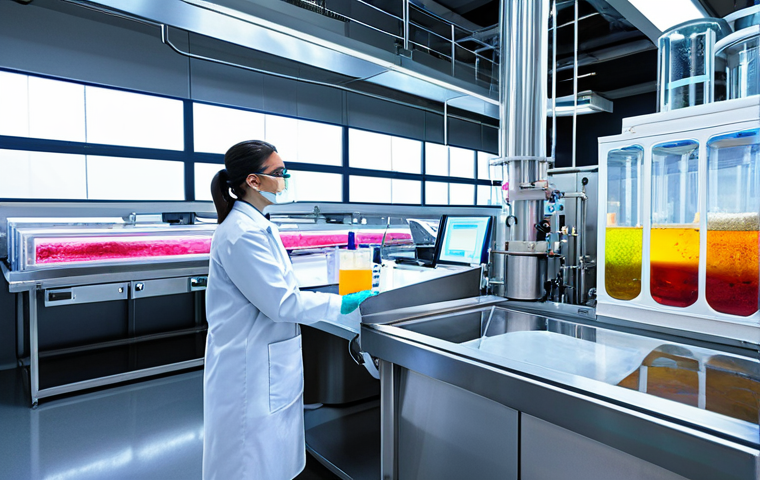
Imagine biting into a crisp pickle, or savoring a creamy yogurt. What if I told you the secret behind their unique flavors and textures might lie in the microscopic world?
We’re not just talking about taste, but also about the enhanced nutritional value and shelf-life that these tiny powerhouses can bring to our food. In recent years, the buzz around the microbiome has extended far beyond gut health and into the fascinating realm of food processing, promising to revolutionize how we create and consume food.
From fermented delights to cutting-edge preservation techniques, the applications are truly game-changing, and the possibilities are endless. Let’s delve deeper and discover the awesome potential of using microbiomes in food processing.
Let’s find out the details in the article below!
Microbes, the Unseen Chefs: How They’re Transforming Our FoodOkay, picture this: you’re biting into a tangy sourdough bread, and the complex flavor dances on your tongue.
Or imagine that creamy, decadent blue cheese melting in your mouth. What makes these foods so unique? Well, it’s not just the ingredients; it’s the microscopic chefs – the microbes – working behind the scenes.
These tiny organisms, part of the vast microbiome, are revolutionizing how we think about food processing. For centuries, we’ve unknowingly harnessed their power in fermentation, but now, with advanced scientific tools, we’re unlocking even more incredible potential.
I remember trying to make my own sauerkraut for the first time, and it was a total disaster until I learned about the crucial role of specific bacteria.
Now, I’m obsessed with the tangy, probiotic-rich goodness!
Microbes: The Original Food Alchemists
Beyond Fermentation: New Frontiers
The Rise of Precision FermentationUnlocking Flavor Profiles: A Microbial SymphonyHave you ever wondered how different cheeses achieve such distinct flavors? It’s all about the specific mix of microbes used in the aging process. Each microbe contributes unique enzymes that break down proteins and fats, creating a symphony of aromatic compounds. I was recently at a cheese-making workshop, and the cheesemaker explained how they carefully select and cultivate specific strains of bacteria and fungi to create their signature cheeses. It’s like conducting an orchestra, but with microscopic conductors!
Tailoring Tastes with Tiny Organisms
Reducing Food Waste Through Microbial Innovation
The Future of Food: Microbes as Key IngredientsEnhancing Nutrition: More Than Just CaloriesThe benefits of microbial food processing go beyond just taste. These tiny organisms can also enhance the nutritional value of our food. For example, fermentation can increase the bioavailability of vitamins and minerals, making them easier for our bodies to absorb. I’ve noticed a huge difference in my digestion since I started incorporating more fermented foods like kimchi and kefir into my diet. It’s not just about adding calories; it’s about maximizing the nutritional bang for your buck.
Boosting Bioavailability with Fermentation
Probiotics: The Gut-Friendly Microbes
Fortifying Foods with Microbial PowerImproving Food Safety: Natural GuardiansIn a world increasingly concerned about foodborne illnesses, microbes can play a crucial role in ensuring food safety. Certain bacteria produce antimicrobial compounds that inhibit the growth of harmful pathogens. I remember reading about a study where they used bacteriophages (viruses that infect bacteria) to combat Listeria in cheese. It’s like having a microscopic army protecting our food!
Fighting Pathogens with Friendly Microbes
Extending Shelf Life Naturally
Reducing Reliance on Chemical PreservativesSustainable Solutions: A Greener Food FutureAs we face growing environmental challenges, microbial food processing offers promising sustainable solutions. Fermentation can reduce food waste by transforming byproducts into valuable products. For example, whey, a byproduct of cheese making, can be fermented into biofuels or animal feed. My friend, a local farmer, is experimenting with using fermented food waste to enrich his soil. It’s a win-win situation: reducing waste and improving soil health.
Waste Not, Want Not: Upcycling Food Byproducts
Lowering the Carbon Footprint of Food Production
Eco-Friendly Alternatives to Traditional MethodsThe Future of Food Processing: A Glimpse into TomorrowThe use of microbiomes in food processing is still in its early stages, but the potential is immense. Imagine personalized nutrition tailored to your individual microbiome, or lab-grown meats with enhanced flavors and textures thanks to microbial engineering. I recently attended a food tech conference, and the innovations on display were mind-blowing. From precision fermentation to microbiome mapping, the future of food is looking increasingly microscopic.
Personalized Nutrition: Tailoring Food to Your Microbiome
Lab-Grown Meats: The Microbial Advantage
The Convergence of Food and BiotechnologyHere’s a table summarizing some of the key applications of microbiomes in food processing:
The Rise of Precision FermentationUnlocking Flavor Profiles: A Microbial SymphonyHave you ever wondered how different cheeses achieve such distinct flavors? It’s all about the specific mix of microbes used in the aging process. Each microbe contributes unique enzymes that break down proteins and fats, creating a symphony of aromatic compounds. I was recently at a cheese-making workshop, and the cheesemaker explained how they carefully select and cultivate specific strains of bacteria and fungi to create their signature cheeses. It’s like conducting an orchestra, but with microscopic conductors!
Tailoring Tastes with Tiny Organisms
Reducing Food Waste Through Microbial Innovation
The Future of Food: Microbes as Key IngredientsEnhancing Nutrition: More Than Just CaloriesThe benefits of microbial food processing go beyond just taste. These tiny organisms can also enhance the nutritional value of our food. For example, fermentation can increase the bioavailability of vitamins and minerals, making them easier for our bodies to absorb. I’ve noticed a huge difference in my digestion since I started incorporating more fermented foods like kimchi and kefir into my diet. It’s not just about adding calories; it’s about maximizing the nutritional bang for your buck.
Boosting Bioavailability with Fermentation
Probiotics: The Gut-Friendly Microbes
Fortifying Foods with Microbial PowerImproving Food Safety: Natural GuardiansIn a world increasingly concerned about foodborne illnesses, microbes can play a crucial role in ensuring food safety. Certain bacteria produce antimicrobial compounds that inhibit the growth of harmful pathogens. I remember reading about a study where they used bacteriophages (viruses that infect bacteria) to combat Listeria in cheese. It’s like having a microscopic army protecting our food!
Fighting Pathogens with Friendly Microbes
Extending Shelf Life Naturally
Reducing Reliance on Chemical PreservativesSustainable Solutions: A Greener Food FutureAs we face growing environmental challenges, microbial food processing offers promising sustainable solutions. Fermentation can reduce food waste by transforming byproducts into valuable products. For example, whey, a byproduct of cheese making, can be fermented into biofuels or animal feed. My friend, a local farmer, is experimenting with using fermented food waste to enrich his soil. It’s a win-win situation: reducing waste and improving soil health.
Waste Not, Want Not: Upcycling Food Byproducts
Lowering the Carbon Footprint of Food Production
Eco-Friendly Alternatives to Traditional MethodsThe Future of Food Processing: A Glimpse into TomorrowThe use of microbiomes in food processing is still in its early stages, but the potential is immense. Imagine personalized nutrition tailored to your individual microbiome, or lab-grown meats with enhanced flavors and textures thanks to microbial engineering. I recently attended a food tech conference, and the innovations on display were mind-blowing. From precision fermentation to microbiome mapping, the future of food is looking increasingly microscopic.
Personalized Nutrition: Tailoring Food to Your Microbiome
Lab-Grown Meats: The Microbial Advantage
The Convergence of Food and BiotechnologyHere’s a table summarizing some of the key applications of microbiomes in food processing:
Reducing Food Waste Through Microbial Innovation
The Future of Food: Microbes as Key IngredientsEnhancing Nutrition: More Than Just CaloriesThe benefits of microbial food processing go beyond just taste. These tiny organisms can also enhance the nutritional value of our food. For example, fermentation can increase the bioavailability of vitamins and minerals, making them easier for our bodies to absorb. I’ve noticed a huge difference in my digestion since I started incorporating more fermented foods like kimchi and kefir into my diet. It’s not just about adding calories; it’s about maximizing the nutritional bang for your buck.
Boosting Bioavailability with Fermentation
Probiotics: The Gut-Friendly Microbes
Fortifying Foods with Microbial PowerImproving Food Safety: Natural GuardiansIn a world increasingly concerned about foodborne illnesses, microbes can play a crucial role in ensuring food safety. Certain bacteria produce antimicrobial compounds that inhibit the growth of harmful pathogens. I remember reading about a study where they used bacteriophages (viruses that infect bacteria) to combat Listeria in cheese. It’s like having a microscopic army protecting our food!
Fighting Pathogens with Friendly Microbes
Extending Shelf Life Naturally
Reducing Reliance on Chemical PreservativesSustainable Solutions: A Greener Food FutureAs we face growing environmental challenges, microbial food processing offers promising sustainable solutions. Fermentation can reduce food waste by transforming byproducts into valuable products. For example, whey, a byproduct of cheese making, can be fermented into biofuels or animal feed. My friend, a local farmer, is experimenting with using fermented food waste to enrich his soil. It’s a win-win situation: reducing waste and improving soil health.
Waste Not, Want Not: Upcycling Food Byproducts
Lowering the Carbon Footprint of Food Production
Eco-Friendly Alternatives to Traditional MethodsThe Future of Food Processing: A Glimpse into TomorrowThe use of microbiomes in food processing is still in its early stages, but the potential is immense. Imagine personalized nutrition tailored to your individual microbiome, or lab-grown meats with enhanced flavors and textures thanks to microbial engineering. I recently attended a food tech conference, and the innovations on display were mind-blowing. From precision fermentation to microbiome mapping, the future of food is looking increasingly microscopic.
Personalized Nutrition: Tailoring Food to Your Microbiome
Lab-Grown Meats: The Microbial Advantage
The Convergence of Food and BiotechnologyHere’s a table summarizing some of the key applications of microbiomes in food processing:
Boosting Bioavailability with Fermentation
Probiotics: The Gut-Friendly Microbes
Fortifying Foods with Microbial PowerImproving Food Safety: Natural GuardiansIn a world increasingly concerned about foodborne illnesses, microbes can play a crucial role in ensuring food safety. Certain bacteria produce antimicrobial compounds that inhibit the growth of harmful pathogens. I remember reading about a study where they used bacteriophages (viruses that infect bacteria) to combat Listeria in cheese. It’s like having a microscopic army protecting our food!
Fighting Pathogens with Friendly Microbes
Extending Shelf Life Naturally
Reducing Reliance on Chemical PreservativesSustainable Solutions: A Greener Food FutureAs we face growing environmental challenges, microbial food processing offers promising sustainable solutions. Fermentation can reduce food waste by transforming byproducts into valuable products. For example, whey, a byproduct of cheese making, can be fermented into biofuels or animal feed. My friend, a local farmer, is experimenting with using fermented food waste to enrich his soil. It’s a win-win situation: reducing waste and improving soil health.
Waste Not, Want Not: Upcycling Food Byproducts
Lowering the Carbon Footprint of Food Production
Eco-Friendly Alternatives to Traditional MethodsThe Future of Food Processing: A Glimpse into TomorrowThe use of microbiomes in food processing is still in its early stages, but the potential is immense. Imagine personalized nutrition tailored to your individual microbiome, or lab-grown meats with enhanced flavors and textures thanks to microbial engineering. I recently attended a food tech conference, and the innovations on display were mind-blowing. From precision fermentation to microbiome mapping, the future of food is looking increasingly microscopic.
Personalized Nutrition: Tailoring Food to Your Microbiome
Lab-Grown Meats: The Microbial Advantage
The Convergence of Food and BiotechnologyHere’s a table summarizing some of the key applications of microbiomes in food processing:
Fortifying Foods with Microbial PowerImproving Food Safety: Natural GuardiansIn a world increasingly concerned about foodborne illnesses, microbes can play a crucial role in ensuring food safety. Certain bacteria produce antimicrobial compounds that inhibit the growth of harmful pathogens. I remember reading about a study where they used bacteriophages (viruses that infect bacteria) to combat Listeria in cheese. It’s like having a microscopic army protecting our food!
Fighting Pathogens with Friendly Microbes
Extending Shelf Life Naturally
Reducing Reliance on Chemical PreservativesSustainable Solutions: A Greener Food FutureAs we face growing environmental challenges, microbial food processing offers promising sustainable solutions. Fermentation can reduce food waste by transforming byproducts into valuable products. For example, whey, a byproduct of cheese making, can be fermented into biofuels or animal feed. My friend, a local farmer, is experimenting with using fermented food waste to enrich his soil. It’s a win-win situation: reducing waste and improving soil health.
Waste Not, Want Not: Upcycling Food Byproducts
Lowering the Carbon Footprint of Food Production
Eco-Friendly Alternatives to Traditional MethodsThe Future of Food Processing: A Glimpse into TomorrowThe use of microbiomes in food processing is still in its early stages, but the potential is immense. Imagine personalized nutrition tailored to your individual microbiome, or lab-grown meats with enhanced flavors and textures thanks to microbial engineering. I recently attended a food tech conference, and the innovations on display were mind-blowing. From precision fermentation to microbiome mapping, the future of food is looking increasingly microscopic.
Personalized Nutrition: Tailoring Food to Your Microbiome
Lab-Grown Meats: The Microbial Advantage
The Convergence of Food and BiotechnologyHere’s a table summarizing some of the key applications of microbiomes in food processing:
Extending Shelf Life Naturally
Reducing Reliance on Chemical PreservativesSustainable Solutions: A Greener Food FutureAs we face growing environmental challenges, microbial food processing offers promising sustainable solutions. Fermentation can reduce food waste by transforming byproducts into valuable products. For example, whey, a byproduct of cheese making, can be fermented into biofuels or animal feed. My friend, a local farmer, is experimenting with using fermented food waste to enrich his soil. It’s a win-win situation: reducing waste and improving soil health.
Waste Not, Want Not: Upcycling Food Byproducts
Lowering the Carbon Footprint of Food Production
Eco-Friendly Alternatives to Traditional MethodsThe Future of Food Processing: A Glimpse into TomorrowThe use of microbiomes in food processing is still in its early stages, but the potential is immense. Imagine personalized nutrition tailored to your individual microbiome, or lab-grown meats with enhanced flavors and textures thanks to microbial engineering. I recently attended a food tech conference, and the innovations on display were mind-blowing. From precision fermentation to microbiome mapping, the future of food is looking increasingly microscopic.
Personalized Nutrition: Tailoring Food to Your Microbiome
Lab-Grown Meats: The Microbial Advantage
The Convergence of Food and BiotechnologyHere’s a table summarizing some of the key applications of microbiomes in food processing:
Waste Not, Want Not: Upcycling Food Byproducts
Lowering the Carbon Footprint of Food Production
Eco-Friendly Alternatives to Traditional MethodsThe Future of Food Processing: A Glimpse into TomorrowThe use of microbiomes in food processing is still in its early stages, but the potential is immense. Imagine personalized nutrition tailored to your individual microbiome, or lab-grown meats with enhanced flavors and textures thanks to microbial engineering. I recently attended a food tech conference, and the innovations on display were mind-blowing. From precision fermentation to microbiome mapping, the future of food is looking increasingly microscopic.
Personalized Nutrition: Tailoring Food to Your Microbiome
Lab-Grown Meats: The Microbial Advantage
The Convergence of Food and BiotechnologyHere’s a table summarizing some of the key applications of microbiomes in food processing:
Eco-Friendly Alternatives to Traditional MethodsThe Future of Food Processing: A Glimpse into TomorrowThe use of microbiomes in food processing is still in its early stages, but the potential is immense. Imagine personalized nutrition tailored to your individual microbiome, or lab-grown meats with enhanced flavors and textures thanks to microbial engineering. I recently attended a food tech conference, and the innovations on display were mind-blowing. From precision fermentation to microbiome mapping, the future of food is looking increasingly microscopic.
Personalized Nutrition: Tailoring Food to Your Microbiome
Lab-Grown Meats: The Microbial Advantage
The Convergence of Food and BiotechnologyHere’s a table summarizing some of the key applications of microbiomes in food processing:
Lab-Grown Meats: The Microbial Advantage
The Convergence of Food and BiotechnologyHere’s a table summarizing some of the key applications of microbiomes in food processing:
| Application | Benefits | Examples |
|---|---|---|
| Fermentation | Enhanced flavor, improved nutrition, extended shelf life | Yogurt, cheese, sauerkraut, kimchi, beer, wine |
| Biopreservation | Natural preservation, reduced reliance on chemical additives | Bacteriocins to inhibit pathogen growth |
| Waste Reduction | Upcycling food byproducts, creating valuable resources | Whey fermentation into biofuels or animal feed |
| Precision Fermentation | Producing specific compounds, tailoring flavor and texture | Lab-grown meats, alternative proteins |
Okay, picture this: you’re biting into a tangy sourdough bread, and the complex flavor dances on your tongue. Or imagine that creamy, decadent blue cheese melting in your mouth. What makes these foods so unique? Well, it’s not just the ingredients; it’s the microscopic chefs – the microbes – working behind the scenes. These tiny organisms, part of the vast microbiome, are revolutionizing how we think about food processing. For centuries, we’ve unknowingly harnessed their power in fermentation, but now, with advanced scientific tools, we’re unlocking even more incredible potential. I remember trying to make my own sauerkraut for the first time, and it was a total disaster until I learned about the crucial role of specific bacteria. Now, I’m obsessed with the tangy, probiotic-rich goodness!
Microbes: The Original Food Alchemists
Beyond Fermentation: New Frontiers
The Rise of Precision FermentationUnlocking Flavor Profiles: A Microbial SymphonyHave you ever wondered how different cheeses achieve such distinct flavors? It’s all about the specific mix of microbes used in the aging process. Each microbe contributes unique enzymes that break down proteins and fats, creating a symphony of aromatic compounds. I was recently at a cheese-making workshop, and the cheesemaker explained how they carefully select and cultivate specific strains of bacteria and fungi to create their signature cheeses. It’s like conducting an orchestra, but with microscopic conductors!
Tailoring Tastes with Tiny Organisms
Reducing Food Waste Through Microbial Innovation
The Future of Food: Microbes as Key IngredientsEnhancing Nutrition: More Than Just CaloriesThe benefits of microbial food processing go beyond just taste. These tiny organisms can also enhance the nutritional value of our food. For example, fermentation can increase the bioavailability of vitamins and minerals, making them easier for our bodies to absorb. I’ve noticed a huge difference in my digestion since I started incorporating more fermented foods like kimchi and kefir into my diet. It’s not just about adding calories; it’s about maximizing the nutritional bang for your buck.
Boosting Bioavailability with Fermentation
Probiotics: The Gut-Friendly Microbes
Fortifying Foods with Microbial PowerImproving Food Safety: Natural GuardiansIn a world increasingly concerned about foodborne illnesses, microbes can play a crucial role in ensuring food safety. Certain bacteria produce antimicrobial compounds that inhibit the growth of harmful pathogens. I remember reading about a study where they used bacteriophages (viruses that infect bacteria) to combat Listeria in cheese. It’s like having a microscopic army protecting our food!
Fighting Pathogens with Friendly Microbes
Extending Shelf Life Naturally
Reducing Reliance on Chemical PreservativesSustainable Solutions: A Greener Food FutureAs we face growing environmental challenges, microbial food processing offers promising sustainable solutions. Fermentation can reduce food waste by transforming byproducts into valuable products. For example, whey, a byproduct of cheese making, can be fermented into biofuels or animal feed. My friend, a local farmer, is experimenting with using fermented food waste to enrich his soil. It’s a win-win situation: reducing waste and improving soil health.
Waste Not, Want Not: Upcycling Food Byproducts
Lowering the Carbon Footprint of Food Production
Eco-Friendly Alternatives to Traditional MethodsThe Future of Food Processing: A Glimpse into TomorrowThe use of microbiomes in food processing is still in its early stages, but the potential is immense. Imagine personalized nutrition tailored to your individual microbiome, or lab-grown meats with enhanced flavors and textures thanks to microbial engineering. I recently attended a food tech conference, and the innovations on display were mind-blowing. From precision fermentation to microbiome mapping, the future of food is looking increasingly microscopic.
Personalized Nutrition: Tailoring Food to Your Microbiome
Lab-Grown Meats: The Microbial Advantage
The Convergence of Food and BiotechnologyHere’s a table summarizing some of the key applications of microbiomes in food processing:
The Rise of Precision FermentationUnlocking Flavor Profiles: A Microbial SymphonyHave you ever wondered how different cheeses achieve such distinct flavors? It’s all about the specific mix of microbes used in the aging process. Each microbe contributes unique enzymes that break down proteins and fats, creating a symphony of aromatic compounds. I was recently at a cheese-making workshop, and the cheesemaker explained how they carefully select and cultivate specific strains of bacteria and fungi to create their signature cheeses. It’s like conducting an orchestra, but with microscopic conductors!
Tailoring Tastes with Tiny Organisms
Reducing Food Waste Through Microbial Innovation
The Future of Food: Microbes as Key IngredientsEnhancing Nutrition: More Than Just CaloriesThe benefits of microbial food processing go beyond just taste. These tiny organisms can also enhance the nutritional value of our food. For example, fermentation can increase the bioavailability of vitamins and minerals, making them easier for our bodies to absorb. I’ve noticed a huge difference in my digestion since I started incorporating more fermented foods like kimchi and kefir into my diet. It’s not just about adding calories; it’s about maximizing the nutritional bang for your buck.
Boosting Bioavailability with Fermentation
Probiotics: The Gut-Friendly Microbes
Fortifying Foods with Microbial PowerImproving Food Safety: Natural GuardiansIn a world increasingly concerned about foodborne illnesses, microbes can play a crucial role in ensuring food safety. Certain bacteria produce antimicrobial compounds that inhibit the growth of harmful pathogens. I remember reading about a study where they used bacteriophages (viruses that infect bacteria) to combat Listeria in cheese. It’s like having a microscopic army protecting our food!
Fighting Pathogens with Friendly Microbes
Extending Shelf Life Naturally
Reducing Reliance on Chemical PreservativesSustainable Solutions: A Greener Food FutureAs we face growing environmental challenges, microbial food processing offers promising sustainable solutions. Fermentation can reduce food waste by transforming byproducts into valuable products. For example, whey, a byproduct of cheese making, can be fermented into biofuels or animal feed. My friend, a local farmer, is experimenting with using fermented food waste to enrich his soil. It’s a win-win situation: reducing waste and improving soil health.
Waste Not, Want Not: Upcycling Food Byproducts
Lowering the Carbon Footprint of Food Production
Eco-Friendly Alternatives to Traditional MethodsThe Future of Food Processing: A Glimpse into TomorrowThe use of microbiomes in food processing is still in its early stages, but the potential is immense. Imagine personalized nutrition tailored to your individual microbiome, or lab-grown meats with enhanced flavors and textures thanks to microbial engineering. I recently attended a food tech conference, and the innovations on display were mind-blowing. From precision fermentation to microbiome mapping, the future of food is looking increasingly microscopic.
Personalized Nutrition: Tailoring Food to Your Microbiome
Lab-Grown Meats: The Microbial Advantage
The Convergence of Food and BiotechnologyHere’s a table summarizing some of the key applications of microbiomes in food processing:
Reducing Food Waste Through Microbial Innovation
The Future of Food: Microbes as Key IngredientsEnhancing Nutrition: More Than Just CaloriesThe benefits of microbial food processing go beyond just taste. These tiny organisms can also enhance the nutritional value of our food. For example, fermentation can increase the bioavailability of vitamins and minerals, making them easier for our bodies to absorb. I’ve noticed a huge difference in my digestion since I started incorporating more fermented foods like kimchi and kefir into my diet. It’s not just about adding calories; it’s about maximizing the nutritional bang for your buck.
Boosting Bioavailability with Fermentation
Probiotics: The Gut-Friendly Microbes
Fortifying Foods with Microbial PowerImproving Food Safety: Natural GuardiansIn a world increasingly concerned about foodborne illnesses, microbes can play a crucial role in ensuring food safety. Certain bacteria produce antimicrobial compounds that inhibit the growth of harmful pathogens. I remember reading about a study where they used bacteriophages (viruses that infect bacteria) to combat Listeria in cheese. It’s like having a microscopic army protecting our food!
Fighting Pathogens with Friendly Microbes
Extending Shelf Life Naturally
Reducing Reliance on Chemical PreservativesSustainable Solutions: A Greener Food FutureAs we face growing environmental challenges, microbial food processing offers promising sustainable solutions. Fermentation can reduce food waste by transforming byproducts into valuable products. For example, whey, a byproduct of cheese making, can be fermented into biofuels or animal feed. My friend, a local farmer, is experimenting with using fermented food waste to enrich his soil. It’s a win-win situation: reducing waste and improving soil health.
Waste Not, Want Not: Upcycling Food Byproducts
Lowering the Carbon Footprint of Food Production
Eco-Friendly Alternatives to Traditional MethodsThe Future of Food Processing: A Glimpse into TomorrowThe use of microbiomes in food processing is still in its early stages, but the potential is immense. Imagine personalized nutrition tailored to your individual microbiome, or lab-grown meats with enhanced flavors and textures thanks to microbial engineering. I recently attended a food tech conference, and the innovations on display were mind-blowing. From precision fermentation to microbiome mapping, the future of food is looking increasingly microscopic.
Personalized Nutrition: Tailoring Food to Your Microbiome
Lab-Grown Meats: The Microbial Advantage
The Convergence of Food and BiotechnologyHere’s a table summarizing some of the key applications of microbiomes in food processing:
Boosting Bioavailability with Fermentation
Probiotics: The Gut-Friendly Microbes
Fortifying Foods with Microbial PowerImproving Food Safety: Natural GuardiansIn a world increasingly concerned about foodborne illnesses, microbes can play a crucial role in ensuring food safety. Certain bacteria produce antimicrobial compounds that inhibit the growth of harmful pathogens. I remember reading about a study where they used bacteriophages (viruses that infect bacteria) to combat Listeria in cheese. It’s like having a microscopic army protecting our food!
Fighting Pathogens with Friendly Microbes
Extending Shelf Life Naturally
Reducing Reliance on Chemical PreservativesSustainable Solutions: A Greener Food FutureAs we face growing environmental challenges, microbial food processing offers promising sustainable solutions. Fermentation can reduce food waste by transforming byproducts into valuable products. For example, whey, a byproduct of cheese making, can be fermented into biofuels or animal feed. My friend, a local farmer, is experimenting with using fermented food waste to enrich his soil. It’s a win-win situation: reducing waste and improving soil health.
Waste Not, Want Not: Upcycling Food Byproducts
Lowering the Carbon Footprint of Food Production
Eco-Friendly Alternatives to Traditional MethodsThe Future of Food Processing: A Glimpse into TomorrowThe use of microbiomes in food processing is still in its early stages, but the potential is immense. Imagine personalized nutrition tailored to your individual microbiome, or lab-grown meats with enhanced flavors and textures thanks to microbial engineering. I recently attended a food tech conference, and the innovations on display were mind-blowing. From precision fermentation to microbiome mapping, the future of food is looking increasingly microscopic.
Personalized Nutrition: Tailoring Food to Your Microbiome
Lab-Grown Meats: The Microbial Advantage
The Convergence of Food and BiotechnologyHere’s a table summarizing some of the key applications of microbiomes in food processing:
Fortifying Foods with Microbial PowerImproving Food Safety: Natural GuardiansIn a world increasingly concerned about foodborne illnesses, microbes can play a crucial role in ensuring food safety. Certain bacteria produce antimicrobial compounds that inhibit the growth of harmful pathogens. I remember reading about a study where they used bacteriophages (viruses that infect bacteria) to combat Listeria in cheese. It’s like having a microscopic army protecting our food!
Fighting Pathogens with Friendly Microbes
Extending Shelf Life Naturally
Reducing Reliance on Chemical PreservativesSustainable Solutions: A Greener Food FutureAs we face growing environmental challenges, microbial food processing offers promising sustainable solutions. Fermentation can reduce food waste by transforming byproducts into valuable products. For example, whey, a byproduct of cheese making, can be fermented into biofuels or animal feed. My friend, a local farmer, is experimenting with using fermented food waste to enrich his soil. It’s a win-win situation: reducing waste and improving soil health.
Waste Not, Want Not: Upcycling Food Byproducts
Lowering the Carbon Footprint of Food Production
Eco-Friendly Alternatives to Traditional MethodsThe Future of Food Processing: A Glimpse into TomorrowThe use of microbiomes in food processing is still in its early stages, but the potential is immense. Imagine personalized nutrition tailored to your individual microbiome, or lab-grown meats with enhanced flavors and textures thanks to microbial engineering. I recently attended a food tech conference, and the innovations on display were mind-blowing. From precision fermentation to microbiome mapping, the future of food is looking increasingly microscopic.
Personalized Nutrition: Tailoring Food to Your Microbiome
Lab-Grown Meats: The Microbial Advantage
The Convergence of Food and BiotechnologyHere’s a table summarizing some of the key applications of microbiomes in food processing:
Extending Shelf Life Naturally
Reducing Reliance on Chemical PreservativesSustainable Solutions: A Greener Food FutureAs we face growing environmental challenges, microbial food processing offers promising sustainable solutions. Fermentation can reduce food waste by transforming byproducts into valuable products. For example, whey, a byproduct of cheese making, can be fermented into biofuels or animal feed. My friend, a local farmer, is experimenting with using fermented food waste to enrich his soil. It’s a win-win situation: reducing waste and improving soil health.
Waste Not, Want Not: Upcycling Food Byproducts
Lowering the Carbon Footprint of Food Production
Eco-Friendly Alternatives to Traditional MethodsThe Future of Food Processing: A Glimpse into TomorrowThe use of microbiomes in food processing is still in its early stages, but the potential is immense. Imagine personalized nutrition tailored to your individual microbiome, or lab-grown meats with enhanced flavors and textures thanks to microbial engineering. I recently attended a food tech conference, and the innovations on display were mind-blowing. From precision fermentation to microbiome mapping, the future of food is looking increasingly microscopic.
Personalized Nutrition: Tailoring Food to Your Microbiome
Lab-Grown Meats: The Microbial Advantage
The Convergence of Food and BiotechnologyHere’s a table summarizing some of the key applications of microbiomes in food processing:
Waste Not, Want Not: Upcycling Food Byproducts
Lowering the Carbon Footprint of Food Production
Eco-Friendly Alternatives to Traditional MethodsThe Future of Food Processing: A Glimpse into TomorrowThe use of microbiomes in food processing is still in its early stages, but the potential is immense. Imagine personalized nutrition tailored to your individual microbiome, or lab-grown meats with enhanced flavors and textures thanks to microbial engineering. I recently attended a food tech conference, and the innovations on display were mind-blowing. From precision fermentation to microbiome mapping, the future of food is looking increasingly microscopic.
Personalized Nutrition: Tailoring Food to Your Microbiome
Lab-Grown Meats: The Microbial Advantage
The Convergence of Food and BiotechnologyHere’s a table summarizing some of the key applications of microbiomes in food processing:
Eco-Friendly Alternatives to Traditional MethodsThe Future of Food Processing: A Glimpse into TomorrowThe use of microbiomes in food processing is still in its early stages, but the potential is immense. Imagine personalized nutrition tailored to your individual microbiome, or lab-grown meats with enhanced flavors and textures thanks to microbial engineering. I recently attended a food tech conference, and the innovations on display were mind-blowing. From precision fermentation to microbiome mapping, the future of food is looking increasingly microscopic.
Personalized Nutrition: Tailoring Food to Your Microbiome
Lab-Grown Meats: The Microbial Advantage
The Convergence of Food and BiotechnologyHere’s a table summarizing some of the key applications of microbiomes in food processing:
Lab-Grown Meats: The Microbial Advantage
The Convergence of Food and BiotechnologyHere’s a table summarizing some of the key applications of microbiomes in food processing:
| Application | Benefits | Examples |
|---|---|---|
| Fermentation | Enhanced flavor, improved nutrition, extended shelf life | Yogurt, cheese, sauerkraut, kimchi, beer, wine |
| Biopreservation | Natural preservation, reduced reliance on chemical additives | Bacteriocins to inhibit pathogen growth |
| Waste Reduction | Upcycling food byproducts, creating valuable resources | Whey fermentation into biofuels or animal feed |
| Precision Fermentation | Producing specific compounds, tailoring flavor and texture | Lab-grown meats, alternative proteins |
In Conclusion
From the tangy delight of fermented vegetables to the complex flavors of aged cheeses, microbes are silently revolutionizing our culinary landscape. As we delve deeper into understanding their potential, we’re not just enhancing flavors; we’re paving the way for a more sustainable, nutritious, and safer food future. So, the next time you savor a delectable bite, remember the unseen chefs working their magic!
Useful Information
1. Start Small with Fermentation: Begin with simple recipes like homemade yogurt or kombucha to understand the basics of microbial food processing.
2. Explore Local Fermented Foods: Discover local specialties in your area, like artisanal cheeses or traditionally fermented pickles, to appreciate the diversity of microbial cuisine.
3. Join a Cheese or Bread Making Class: Attend a hands-on workshop to learn from experts and gain practical experience in working with microbes.
4. Read Scientific Journals: Stay updated on the latest research in microbial food processing by reading journals like “Applied and Environmental Microbiology” or “Food Microbiology.”
5. Visit Local Farms and Producers: Connect with local farmers and food producers who utilize microbial techniques to understand their processes and support sustainable practices.
Key Takeaways
Microbes are essential for creating diverse and complex flavors in many of our favorite foods through fermentation.
They can enhance the nutritional value of food by increasing the bioavailability of vitamins and minerals.
Microbes contribute to food safety by producing antimicrobial compounds that combat harmful pathogens.
Microbial food processing offers sustainable solutions by reducing food waste and lowering the carbon footprint of food production.
The future of food processing lies in precision fermentation and personalized nutrition, leveraging the power of microbiomes.
Frequently Asked Questions (FAQ) 📖
Q: What are some examples of foods that utilize microbiomes in their processing?
A: Think about that tangy sauerkraut you had last week, or maybe the creamy kimchi that perfectly complemented your Korean BBQ. These are prime examples of how microbiomes, specifically bacteria and yeast, are used in fermentation.
Yogurt, cheese, and even sourdough bread also rely on the power of these tiny organisms to develop their distinctive flavors and textures. I recently tried a new kombucha that was fermented with a unique strain of bacteria, and it had this incredible fruity complexity that I’d never experienced before.
It really opened my eyes to the potential of microbiome-enhanced flavors!
Q: Beyond flavor, what other benefits do microbiomes offer in food processing?
A: It’s not just about taste; microbiomes can significantly enhance the nutritional value and shelf life of foods. For instance, fermentation can increase the bioavailability of certain nutrients, making them easier for our bodies to absorb.
Plus, the fermentation process creates natural preservatives that can extend the shelf life of products, reducing food waste. I remember reading a study about how fermentation can increase the levels of vitamin K2 in certain cheeses, which is important for bone health.
Pretty cool, right?
Q: Are there any cutting-edge applications of microbiome technology in food processing that are particularly exciting?
A: Absolutely! The field is constantly evolving, but one area that really excites me is the use of bacteriophages (viruses that infect bacteria) to control foodborne pathogens.
Imagine using these tiny viruses to target and eliminate harmful bacteria like Salmonella or E. coli without affecting the beneficial microbes that contribute to flavor and preservation.
I heard about a company developing bacteriophage “cocktails” that can be sprayed on produce to prevent spoilage and reduce the risk of food poisoning.
It’s like a targeted, natural way to keep our food safe!
📚 References
Wikipedia Encyclopedia