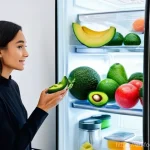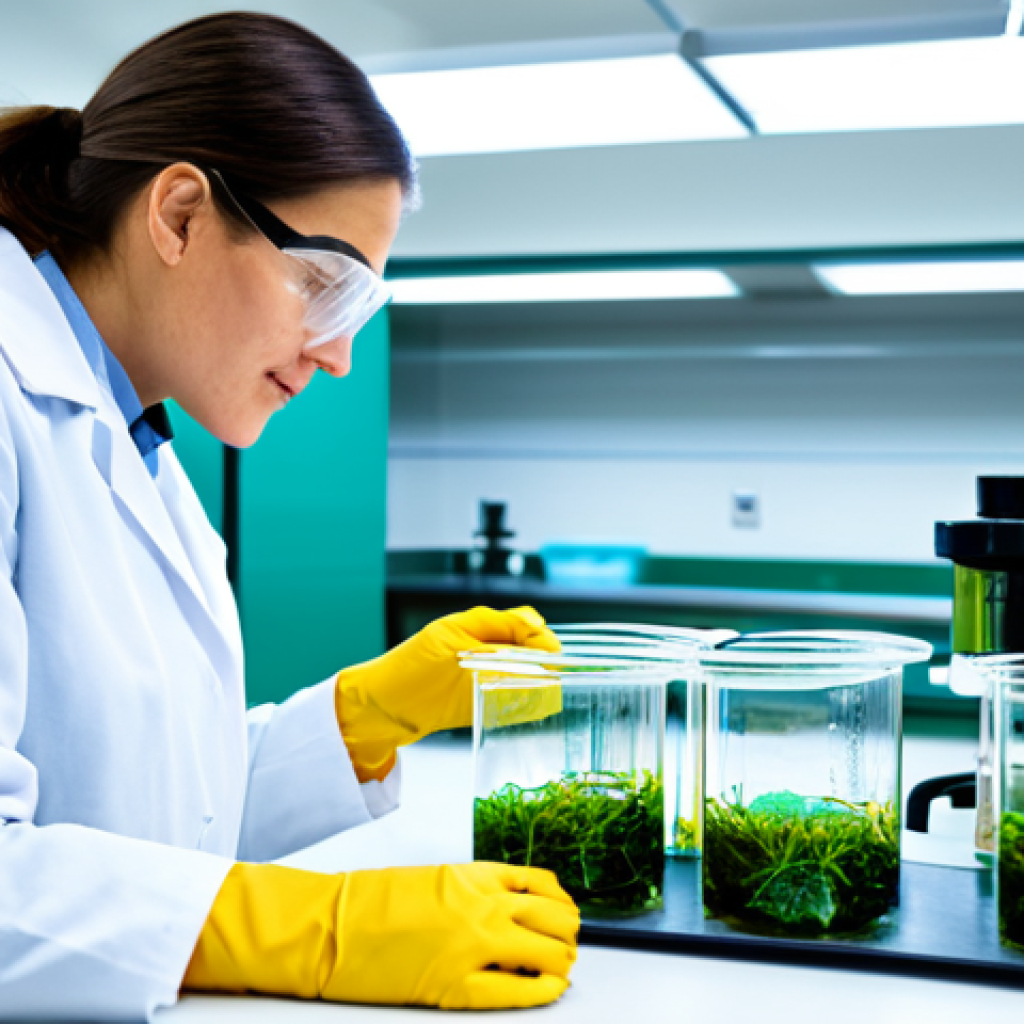
Alright, diving right into it! Have you ever stopped to think about what keeps that perfectly ripe avocado from turning into a mushy mess? Or how your favorite snack stays crispy and fresh?
It’s all thanks to the amazing world of food packaging, and the constant innovation in new materials. I mean, just think – packaging isn’t just a container; it’s a science that blends food safety, sustainability, and cutting-edge material technology.
From edible films to plant-based plastics, the future of food and packaging is getting a serious upgrade, promising to reduce waste and keep our grub in tip-top shape.
It’s fascinating stuff, and honestly, the advancements are changing the game, especially with consumers demanding more eco-friendly options. Let’s get down to the nitty-gritty and explore this fascinating field in detail below!
Alright, let’s dive in!
Innovations in Edible Packaging: A Bite-Sized Revolution
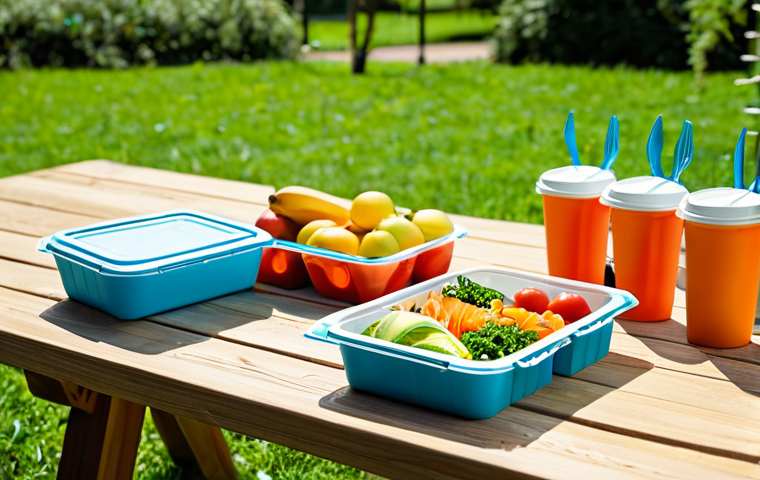
Edible packaging? Yeah, you heard right! It’s not just some sci-fi fantasy anymore.
We’re talking about films and coatings made from natural, biodegradable materials that you can actually eat along with your food. I remember when I first heard about this, I was skeptical.
But then I saw a documentary about a company making edible water bottles from seaweed, and I was blown away. The idea is to reduce plastic waste by creating packaging that simply disappears – literally!
The Science Behind Edible Films
The beauty of edible films lies in their composition. Typically, they’re made from polysaccharides (like starch and cellulose), proteins (like whey and soy), and lipids (like fatty acids and waxes).
These materials form a protective barrier against oxygen and moisture, keeping your food fresh. Plus, they can be infused with flavors, nutrients, and even antimicrobials to enhance the food product.
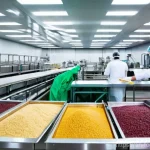
The possibilities are endless, and it’s all happening right in labs and food processing plants around the globe.
Consumer Acceptance and Safety Considerations
Of course, the big question is, would people actually eat their packaging? Surprisingly, the answer seems to be yes, with some caveats. Consumers are increasingly concerned about plastic waste and are willing to try innovative solutions.
However, safety is paramount. Edible packaging must be non-toxic, hypoallergenic, and free from harmful contaminants. Regulatory agencies like the FDA are closely monitoring the development and commercialization of these products to ensure they meet rigorous safety standards.
This includes clear labeling to ensure consumers are aware of what they are consuming.
Plant-Based Plastics: A Sustainable Alternative
Okay, let’s be honest: plastic has a bad rep, and for good reason. It’s everywhere, it pollutes our oceans, and it takes centuries to decompose. But what if we could make plastic from plants instead of petroleum?
Enter plant-based plastics, also known as bioplastics. These materials are derived from renewable resources like cornstarch, sugarcane, and cellulose, making them a more sustainable alternative to traditional plastics.
Types of Plant-Based Plastics
There are several types of plant-based plastics, each with its own unique properties and applications. Polylactic acid (PLA) is one of the most common.
It’s made from fermented plant starch and is used in everything from disposable cups to food packaging. Polyhydroxyalkanoates (PHAs) are another promising option.
They’re produced by microorganisms and are biodegradable in both soil and marine environments. Imagine, plastic that actually breaks down naturally in the ocean!
That’s a big win for everyone.
Environmental Benefits and Challenges
The environmental benefits of plant-based plastics are clear. They reduce our reliance on fossil fuels, lower greenhouse gas emissions, and can biodegrade under the right conditions.
However, there are also challenges. Plant-based plastics can be more expensive to produce than traditional plastics, and they may not always perform as well in terms of durability and heat resistance.
Plus, there are concerns about the land use and water consumption associated with growing the crops needed to make them. The key is to find sustainable sourcing and production methods to minimize the environmental footprint.
Active and Intelligent Packaging: Beyond Protection
Food packaging isn’t just about keeping food fresh; it can also actively improve its quality and safety. That’s where active and intelligent packaging come in.
Active packaging interacts with the food to extend its shelf life or enhance its properties, while intelligent packaging monitors the food and provides information about its condition.
Think of it as packaging that’s not just a container, but a smart, proactive guardian of your grub.
Antimicrobial Packaging
Antimicrobial packaging incorporates substances that inhibit the growth of bacteria, mold, and other microorganisms that can cause food spoilage. These substances can be incorporated into the packaging material itself or released into the headspace of the package.
For example, silver nanoparticles, essential oils, and bacteriocins have all been used as antimicrobial agents in food packaging. It’s like having a tiny army protecting your food from the bad guys!
Time-Temperature Indicators (TTIs)
Ever wonder if that carton of milk has been sitting out too long? Time-Temperature Indicators (TTIs) can tell you. These are small labels or sensors that change color or display a message based on the cumulative temperature exposure of the food product.
This helps consumers and retailers ensure that the food has been stored properly and is safe to consume. It’s like having a personal food safety monitor right on the package.
The Role of Nanotechnology in Food Packaging
Nanotechnology is making waves in the food packaging industry, offering new ways to improve barrier properties, enhance antimicrobial activity, and create smart packaging solutions.
By manipulating materials at the nanoscale, scientists can create packaging that’s stronger, lighter, and more functional. It’s like giving food packaging a superpower upgrade.
Nanocomposites for Enhanced Barrier Properties
One of the most promising applications of nanotechnology in food packaging is the use of nanocomposites to improve barrier properties. Nanocomposites are materials that contain nanoparticles dispersed within a matrix material.
These nanoparticles can create a tortuous path for gases and moisture, reducing their permeability through the packaging. This means that food stays fresher for longer, reducing waste and saving money.
Nanosensors for Food Safety Monitoring
Nanosensors are tiny devices that can detect the presence of specific chemicals or microorganisms in food. They can be integrated into packaging to monitor food quality and safety in real-time.
For example, nanosensors can detect the presence of spoilage bacteria, allergens, or toxins, alerting consumers and retailers to potential hazards. It’s like having a high-tech security system for your food.
Regulations and Standards: Ensuring Safety and Quality
With all these innovations in food packaging, it’s important to have regulations and standards in place to ensure safety and quality. Regulatory agencies like the FDA in the United States and the European Food Safety Authority (EFSA) in Europe set guidelines for the materials that can be used in food packaging and how they must be tested and labeled.
These regulations are constantly evolving to keep pace with the latest advancements in packaging technology.
FDA Regulations for Food Contact Materials
The FDA regulates all materials that come into contact with food, including packaging. These materials must be safe for their intended use and must not transfer harmful substances to the food.
The FDA also requires manufacturers to provide data demonstrating the safety of new packaging materials before they can be used commercially.
International Standards for Food Packaging
In addition to national regulations, there are also international standards for food packaging. These standards, developed by organizations like the International Organization for Standardization (ISO), provide guidelines for the design, testing, and labeling of food packaging.
Compliance with these standards helps ensure that food packaging is safe and of high quality, regardless of where it’s produced or sold.
| Packaging Type | Material | Benefits | Challenges | Examples |
|---|---|---|---|---|
| Edible Packaging | Polysaccharides, Proteins, Lipids | Reduces waste, can enhance food properties | Consumer acceptance, safety concerns | Seaweed water bottles, edible films for snacks |
| Plant-Based Plastics | Cornstarch, Sugarcane, Cellulose | Renewable, biodegradable | Cost, durability | PLA cups, PHA containers |
| Active Packaging | Antimicrobial agents, oxygen absorbers | Extends shelf life, enhances food safety | Regulatory approval, cost | Antimicrobial films, oxygen-absorbing packets |
| Intelligent Packaging | TTIs, sensors | Monitors food condition, provides information | Cost, accuracy | Time-temperature labels, gas sensors |
| Nanotechnology Packaging | Nanocomposites, nanosensors | Improved barrier properties, food safety monitoring | Safety concerns, regulatory approval | Nanocomposite films, nanosensor-based labels |
The Future of Food Packaging: Trends and Predictions
So, what does the future hold for food packaging? Experts predict that we’ll see even more innovation in sustainable materials, smart packaging technologies, and personalized packaging solutions.
As consumers become more environmentally conscious and demand greater transparency, the food packaging industry will need to adapt to meet their needs.
Increased Focus on Sustainability
Sustainability will continue to be a major driver of innovation in food packaging. We’ll see more companies using plant-based plastics, compostable materials, and recycled content in their packaging.
There will also be a greater emphasis on reducing packaging waste through initiatives like reusable packaging systems and minimalist packaging designs.
Development of Smart Packaging Technologies
Smart packaging technologies will become more sophisticated and widespread. We’ll see more packaging with sensors that can monitor food quality, detect contamination, and provide information about the food’s origin and journey.
This will help consumers make informed decisions about the food they buy and eat.
Personalized Packaging Solutions
Personalized packaging solutions will cater to individual needs and preferences. This could include packaging that’s tailored to specific dietary requirements, portion sizes, or lifestyles.
For example, we might see packaging that dispenses the exact amount of ingredients needed for a recipe or packaging that provides personalized nutrition information based on the consumer’s health profile.
The possibilities are endless, and it’s an exciting time to be in the food packaging industry.
In Conclusion
The future of food packaging is looking bright, with innovations promising to reduce waste, enhance food safety, and provide consumers with more information than ever before. As technology advances and consumer demands evolve, we can expect to see even more exciting developments in this dynamic field. From edible films to smart sensors, the possibilities are endless, and the impact on our planet and our health could be profound.
Handy Tips to Know
1. Always check the “use by” or “best before” date on packaged foods to ensure freshness and safety.
2. Look for packaging materials that are recyclable, compostable, or biodegradable to reduce your environmental impact.
3. Be aware of the symbols and labels on food packaging, such as the recycling symbol and the USDA organic label.
4. Store packaged foods properly to maintain their quality and prevent spoilage. Follow the storage instructions on the packaging.
5. Consider purchasing products with minimal packaging or opting for reusable containers whenever possible.
Key Takeaways
The food packaging industry is undergoing a revolution, driven by sustainability, technology, and consumer demand.
Edible packaging, plant-based plastics, active and intelligent packaging, and nanotechnology are all transforming the way we package and protect our food.
Regulations and standards are essential to ensure the safety and quality of food packaging materials.
Frequently Asked Questions (FAQ) 📖
Q: So, what are some examples of these new food packaging materials?
A: Well, think beyond your standard plastic wrap. We’re talking edible films made from milk proteins that dissolve right in your soup! And then there are plant-based plastics derived from corn starch or sugarcane – things that actually break down in a compost bin, unlike traditional plastics.
Plus, there’s active packaging that can release preservatives to extend shelf life, or even change color to tell you if the food’s gone bad. I recently saw a documentary on how they’re even experimenting with mushroom packaging, which is just mind-blowing.
Q: Okay, that sounds cool, but are these eco-friendly packaging options actually making a difference? Like, are they really better for the environment?
A: That’s the million-dollar question, right? While they’re not a silver bullet, they’re definitely a step in the right direction. The biggest advantage is reducing our dependence on fossil fuels, which are used to make traditional plastics.
And the fact that some of these materials are biodegradable or compostable means they won’t hang around in landfills for centuries. I’ve started composting at home, and it makes me feel good knowing I’m contributing in a small way.
Of course, the environmental impact also depends on how these materials are produced and disposed of, so it’s a complex issue, but overall, it’s a positive shift.
Q: What’s the biggest challenge in getting these new packaging materials widely used?
A: re they more expensive, or what’s the deal? A3: You hit the nail on the head. Cost is a huge hurdle.
Right now, many of these innovative materials are more expensive to produce than traditional plastics, which makes them less attractive to food companies.
Also, scaling up production to meet the demands of the entire food industry is a major challenge. And, frankly, consumers need to be willing to pay a little more for eco-friendly options.
I know I would, especially if it meant reducing plastic waste. There are also some regulatory hurdles and concerns about food safety to address, but I think as technology improves and demand increases, the cost will come down, and we’ll see more and more of these materials on supermarket shelves.
📚 References
Wikipedia Encyclopedia
구글 검색 결과
구글 검색 결과
구글 검색 결과
구글 검색 결과
구글 검색 결과