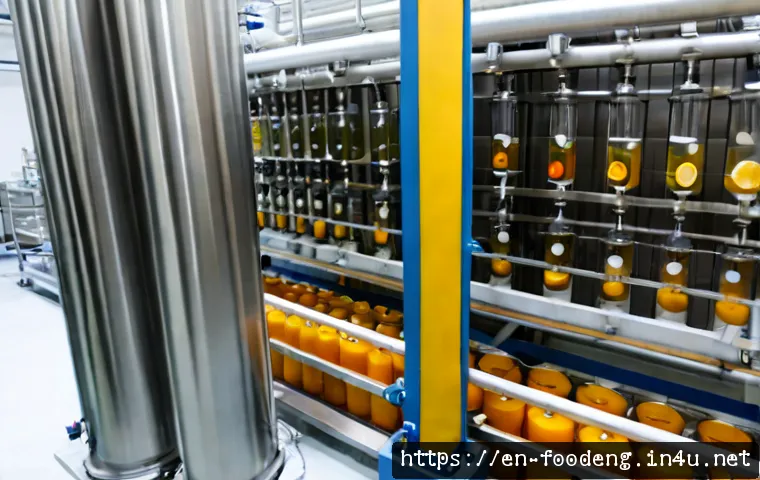
Porous materials support food filtration, separation, drying, and purification. Compare membranes, ceramic filters, activated carbon, and adsorbents by food safety, cleanability, throughput, replacement needs, and total operating cost.
For liquid clarification, start by comparing polymer membranes, ceramic elements, and sintered metal media against the actual solids load and cleaning method.
For odor, color, or selected organic-compound treatment, activated carbon and other adsorption media may fit, but performance depends on the contaminant, contact time, media condition, and process conditions.
The right choice is rarely the lowest-priced filter or media at purchase. It is the option that supports the required product quality while controlling fouling, cleaning downtime, replacement demand, and product loss.
A supplier quote is more useful when it covers food-contact documentation, expected operating conditions, and replacement or cleaning requirements. Process testing is still needed before treating any material as the best option for a specific line.
At a Glance
- Membranes are commonly considered for fine liquid separation, while ceramic and sintered metal media may suit more robust filtration duties.
- Activated carbon and adsorption media can help address certain odor, color, and organic compounds when process conditions support adsorption.
- The real comparison is not purchase price alone: include cleaning, fouling, downtime, utilities, replacement intervals, and yield impact.
| Material category | Typical decision role | Cleaning and replacement consideration | Main lifecycle-cost driver |
|---|---|---|---|
| Polymer membranes | Fine liquid separation and clarification workflows | Cleaning compatibility and fouling behavior need review | Consumables, cleaning cycles, throughput loss |
| Ceramic elements | Demanding filtration duties where durability is important | May be valued for potential resistance to aggressive cleaning, depending on design | Capital cost, cleaning approach, uptime |
| Sintered metal media | Robust particulate filtration | Confirm cleanability, food-contact suitability, and pressure-drop behavior | Maintenance, energy use, service intervals |
| Activated carbon | Certain odor, color, and organic-compound treatment | Media condition and replacement planning are central | Contact time, replacement frequency, product loss |
| Other adsorption media | Targeted purification or contaminant-removal needs | Performance must be evaluated for the specific feed and target | Media use, validation, disposal or regeneration planning |
The Short Answer: Where Porous Materials Create Value in Food Production
Three quick matches: clarification, purification, and moisture or gas control
Porous materials contain interconnected or isolated voids. Those voids can support fluid flow, particle retention, adsorption, gas exchange, or controlled moisture transfer. In practical food manufacturing terms, membranes are often evaluated for liquid separation, durable ceramic or sintered elements for filtration duties, and carbon or adsorbent media for selected purification tasks.
Why material selection affects product quality, uptime, and operating cost
Pore size, pore-size distribution, thickness, porosity, and surface chemistry can change flow rate, retention behavior, fouling tendency, and cleaning requirements. A material that initially delivers acceptable throughput may become expensive if it requires frequent replacement, uses more cleaning chemicals, or creates extended production downtime.
When a standard filter is enough—and when engineered porous media is justified
A standard filter may be sufficient when the separation objective is clearly defined and feed conditions are stable. Engineered porous media deserve closer evaluation when the process has high solids, challenging cleaning conditions, demanding hygiene requirements, or a need for targeted adsorption. The decision should be based on the separation target, not on a material name alone.
Compare the Main Material Options Before Buying Equipment
Polymer membranes for fine liquid separation
Polymer membrane filtration is commonly assessed where fine liquid separation is needed. The key questions are whether the membrane can maintain required retention and flow under the real feed conditions, and whether the planned cleaning method is compatible with the membrane design. Fouling can reduce throughput and alter separation performance, so pre-treatment and cleaning protocols matter.
Ceramic elements for demanding cleaning and longer-duty applications
Ceramic filtration elements are commonly valued in demanding applications for their mechanical durability and potential resistance to aggressive cleaning conditions. That does not remove the need to verify the specific element design, food-contact suitability, cleaning chemistry, and operating conditions. A higher initial equipment cost may be reasonable only when uptime, cleanability, and replacement needs support the business case.
Sintered metal media for robust particulate filtration
Sintered metal filters can be considered for robust particulate filtration. Before selecting them, define the required particle retention, expected solids load, allowable pressure drop, and cleaning approach. Confirm hygienic equipment design and documentation rather than assuming that a durable material is automatically suitable for every food-contact application.
Activated carbon and adsorbent media for odor, color, and targeted removal
Activated carbon is widely used to adsorb certain odor, color, and organic compounds. Its effectiveness depends on the contaminant, contact time, media condition, and process conditions. Other adsorption media may be relevant for targeted removal, but a supplier should provide process-relevant information rather than broad claims based on unrelated products.
Comparison table: performance, hygiene, replacement, and lifecycle-cost drivers
When comparing industrial filtration systems or food-grade membrane modules, use the table above as a first screen rather than a final specification. Ask each supplier how the proposed media handles fouling, cleaning, replacement parts, and validation documentation under your actual operating conditions.
Match Pore Structure to the Food Process
Beverage clarification and microbial-control workflows
For beverage workflows, define whether the main objective is visible clarification, particulate reduction, microbial-control support, or another quality attribute. These are not interchangeable targets. The selected pore structure and filtration approach should be evaluated against feed variability, retention needs, and hygienic cleaning requirements.
Edible oil, syrup, and high-viscosity product processing
High-viscosity products and variable solids loads can change flow behavior and fouling patterns. A porous material that appears suitable on a clean feed may behave differently under routine production conditions. Review pressure drop, cleaning access, and product hold-up because each can affect operating cost and yield.
Dairy, protein, and high-fouling feed streams
Protein-rich or high-fouling feeds require particular attention to cleaning protocols and pre-treatment. Fouling is not only a maintenance issue: it can reduce throughput and change separation performance. Evaluate whether the proposed membrane, ceramic filter, or sintered element remains compatible with the planned cleaning cycle.
Air, gas, and moisture-management applications
Porous media can also support gas exchange and controlled moisture transfer. Here, the selection criteria should include the gas or moisture-control goal, hygienic design, material compatibility, and the conditions under which the system will operate. Do not assume that a media type designed for liquid service will perform the same way in a gas-handling role.
Avoid the Costly Implementation Mistakes

Selecting pore size without defining the separation target
Pore size is important, but it is only one selection variable. Start with the target: particle retention, adsorption, moisture transfer, odor reduction, color treatment, or another process outcome. Then assess pore structure, surface chemistry, thickness, and flow requirements together.
Underestimating fouling, pressure drop, and cleaning downtime
A low purchase price can become costly if fouling causes frequent stoppages, reduced throughput, or more product loss. Include expected cleaning cycles, energy use, labor, downtime, and consumable replacement in the total operating-cost comparison.
Using cleaning chemicals that shorten media life
Cleaning chemistry must be reviewed against the specific porous material and product design. Ceramic elements may offer potential resistance to aggressive cleaning conditions, but that remains design-dependent. Membranes, metal media, seals, housings, and associated replacement parts should all be included in compatibility discussions.
Skipping food-contact documentation and validation planning
Food applications require review of food-contact compliance, extractables, cleaning compatibility, and hygienic equipment design. Requirements can differ by operating location and application. Obtain the relevant documents and plan validation before commissioning rather than after an equipment purchase is finalized.
Practical Evaluation Steps for Plant Teams
Define feed variability, contaminant load, and required product quality
Document the product type, likely feed variation, solids load, target quality attribute, and any known odor, color, or organic-compound concern. This creates a usable basis for comparing industrial filtration equipment and adsorbent media proposals.
Request pilot testing or representative process data
Supplier data is most useful when it reflects a comparable feed and cleaning approach. Where practical, request pilot testing or representative process information. Exact service life, capacity, and separation performance should not be assumed without process-specific evaluation.
Compare capital cost with consumables, utilities, labor, and yield impact
Use a total-cost view. Compare the initial equipment cost with membrane modules or media replacement, cleaning chemicals, energy use, labor, downtime, and product loss. This is often more informative than comparing filter prices alone.
Build a maintenance and replacement plan before commissioning
Define who monitors pressure drop, throughput, media condition, cleaning results, and replacement timing. A clear maintenance plan helps teams identify fouling or channeling before performance losses become a larger production problem.
Selection Criteria and Comparison Summary
Choose porous materials by separation goal, feed conditions, cleanability, food-contact documentation, hygienic design, and total cost of ownership. Before requesting a quote, prepare: product type; required flow rate; solids load; target contaminant or quality attribute; cleaning method; required compliance documents; and expected operating hours. Also ask how replacement parts, media changeouts, and cleaning support are handled. For official specifications, food-contact documentation, and detailed operating conditions, check the relevant supplier equipment or media page before making a purchase decision.
Closing Thoughts
Porous materials are not interchangeable components. Their pore structure and surface characteristics influence flow, retention, adsorption, fouling, and cleaning needs. A sound purchase decision connects the material to the actual food process and includes operating costs that may not appear on the initial quote. When uncertainty is high, representative testing and a documented evaluation plan are safer than relying on general material claims.
Useful Information to Keep in Mind
Watch for early warning signs: falling throughput, rising pressure drop, changing separation performance, unexpected cleaning frequency, channeling in adsorption media, or unclear food-contact documentation. Each can signal that the selected material, process conditions, or maintenance plan needs review.
Important Notes
The best porous material, exact pore size, pressure range, cleaning chemistry, service life, and achievable capacity cannot be determined without details of the specific product and production line. Confirm applicable regulatory and food-contact requirements in the operating location. Supplier pricing, installation requirements, and validation needs also require direct verification.
Frequently Asked Questions
Q1. Which porous material is best for food and beverage filtration?
A1. There is no universal best choice. Polymer membranes may fit fine liquid separation, ceramic elements may be considered for demanding filtration duties, sintered metal media for robust particulate filtration, and activated carbon or adsorption media for certain odor, color, or organic-compound treatment needs. The correct choice depends on the feed, separation target, cleaning method, and compliance requirements.
Q2. Are ceramic filters worth the higher upfront cost for food processing plants?
A2. They may be worth evaluating where mechanical durability and potential resistance to aggressive cleaning conditions are valuable. The decision should compare initial cost with cleaning requirements, downtime, replacement frequency, energy use, and product-loss risk. The specific product design and process conditions still need confirmation.
Q3. How can a manufacturer compare membrane, activated carbon, and sintered metal filter costs?
A3. Compare more than the purchase price. Include expected operating hours, consumables or media replacement, cleaning chemicals, utilities, labor, pressure-drop effects, downtime, and yield impact. Request quotes using the same product type, flow rate, solids load, cleaning method, and compliance-document requirements so proposals can be reviewed on a comparable basis.