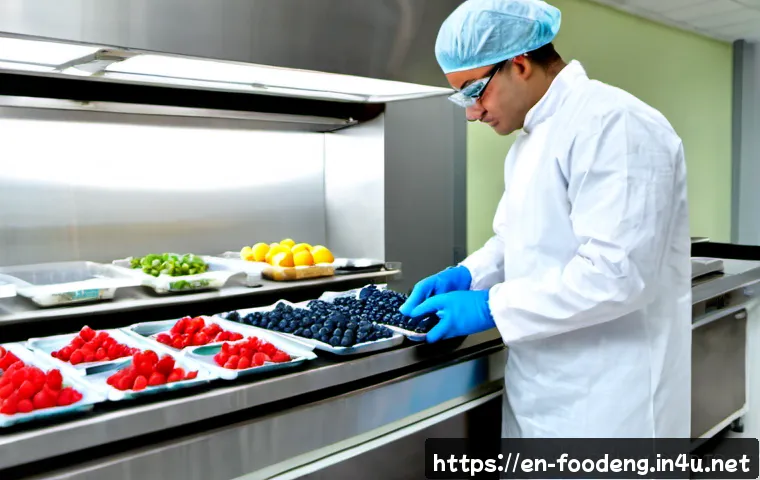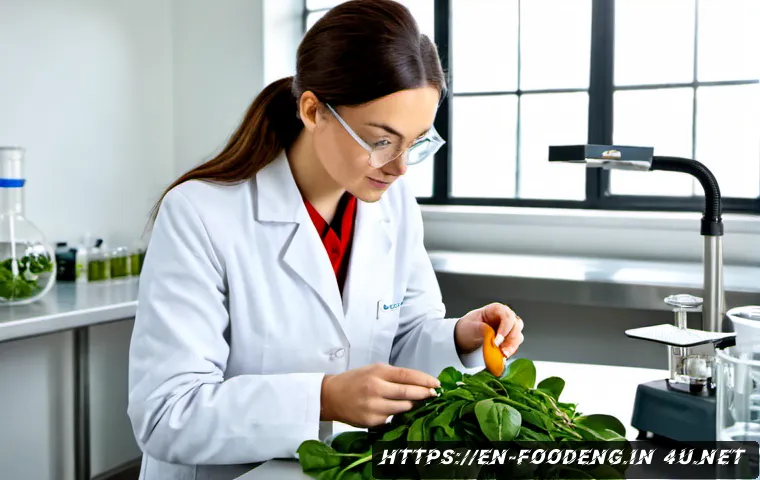
Vitamin synthesis research is most valuable when a food team wants to explore a differentiated ingredient, crop, or fermentation process rather than simply add a vitamin premix.
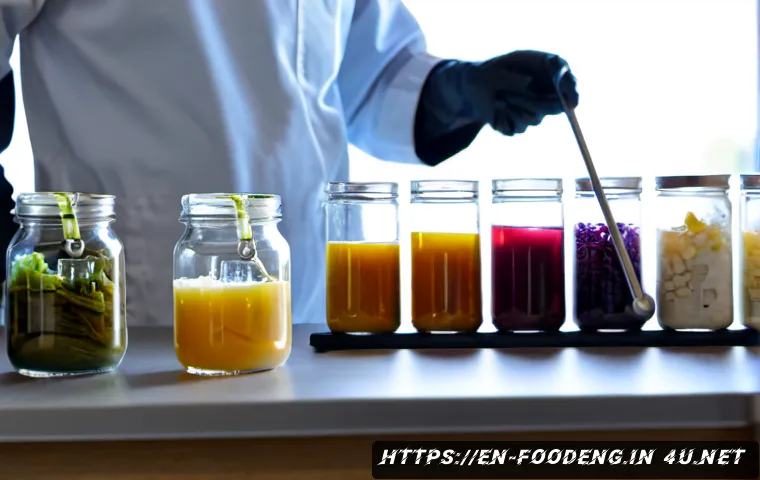
It can reveal whether plants or microorganisms create or retain useful vitamin levels, but the result still needs analytical testing, shelf-life verification, and market-specific claim review.
For many products, conventional fortification is the more direct route to a targeted nutrient level. Fermentation and biofortification may be better options when the product concept depends on cultured foods, crop-based nutrition, ingredient transparency, or a longer-term research strategy.
The right path depends on the target vitamin, food matrix, manufacturing process, and the evidence required before launch.
At a Glance
- Plants can synthesize vitamins or vitamin precursors, while food-grade microorganisms may produce B vitamins during growth or fermentation.
- Fermentation can increase, reduce, or leave vitamin levels unchanged, depending on the strain, substrate, food matrix, and process conditions.
- A promising laboratory result is not enough for a nutrition claim; validated analysis, stability checks, and local regulatory review are essential.
| Route | Main Commercial Fit | Relative Validation Effort | Key Decision Point |
|---|---|---|---|
| Microbial fermentation | Cultured foods and differentiated fermentation-based products | High | Confirm strain behavior, process consistency, and finished-product stability |
| Crop biofortification | Longer-term crop, ingredient, and food-security programs | High | Confirm nutrient performance across crop and food-processing stages |
| Vitamin premix fortification | Products needing a more direct nutrient formulation route | Moderate | Confirm ingredient compatibility, stability, labeling, and analytical results |
| Supplier-sourced nutrient ingredients | Teams seeking a defined ingredient without developing a new biological process | Moderate | Review specifications, formulation fit, and final-product testing needs |
What Vitamin Synthesis Research Can—and Cannot—Change in Food
The Short Answer: Food Systems Can Create, Retain, or Lose Vitamins
Vitamin content in food is not fixed. Plants synthesize several vitamins or vitamin precursors, including vitamin C, folate, and carotenoids that can serve as provitamin A compounds. Many food-grade microorganisms can also produce B vitamins during growth or fermentation.
However, a food system can also lose nutrients. Heat, oxygen, light, pH, time, and storage conditions may reduce vitamin content before a product reaches the consumer. Research should therefore evaluate both formation and retention, not just the highest result observed during production.
Why Measured Vitamin Content and Nutritional Impact Are Not Identical
A higher laboratory measurement does not automatically mean that the vitamin is absorbed in the same way or produces equivalent health outcomes in humans. The finished food matrix can matter, as can formulation and processing. Teams should avoid treating an analytical increase as proof of bioavailability or a health benefit without appropriate evidence.
The Difference Between Natural Synthesis, Fermentation, and Added Fortification
Natural synthesis refers to vitamins or precursors formed within plants. Fermentation focuses on microbial activity in a food or substrate. Fortification involves adding a vitamin ingredient, often through a premix or supplier-sourced formulation component. These routes can support different product goals, but they should not be treated as interchangeable from a testing, labeling, or process-control perspective.
Comparing the Main Routes to Higher Vitamin Content
Plant Breeding and Crop Biofortification
Biofortification aims to raise nutrient levels in crops through breeding, agronomic practices, or biotechnology approaches. It may suit organizations working with raw materials, crop programs, or food-security objectives. The commercial challenge is that nutrient content can still require verification through harvesting, ingredient handling, processing, and shelf life.
Microbial Fermentation and Cultured Foods
Fermentation research can be relevant for cultured dairy alternatives, beverages, grain-based foods, and other fermented product concepts. Yet vitamin output depends on the microbial strain, substrate, food matrix, and processing conditions. A strain that performs well in a bench-scale trial may require further work before it is suitable for pilot production or commercial manufacturing.
Conventional Vitamin Fortification With Premixes
Vitamin premixes can be a practical option when a product team needs a defined formulation route. They may reduce the need to depend on biological production within the food itself. Even so, product developers need to assess compatibility with the food matrix, processing losses, packaging, storage, and the analytical requirements for any proposed label statement.
Comparison Table: Cost Drivers, Scale-Up Difficulty, Labeling, and Testing Needs
Cost and scale-up difficulty cannot be assumed from the method alone. A fermentation system may require specialized fermentation equipment and pilot-scale capability. A crop project may involve breeding or agronomic work over a longer development cycle. Fortification may simplify nutrient targeting, but it still requires ingredient selection, formulation work, food-analysis laboratory testing, and label review.
How Researchers Measure Vitamin Formation and Stability
Choosing the Target Vitamin and Food Matrix
Start with a clear target: the vitamin or provitamin of interest, the food format, and the intended manufacturing process. A result obtained in a liquid culture, raw crop, or intermediate ingredient may not represent the final food. The relevant question is usually: what remains in the finished product under expected storage conditions?
Designing Controlled Trials for Ingredients, Strains, and Process Conditions
Controlled trials help separate meaningful process effects from ordinary variation. Researchers may compare strains, substrates, ingredients, or processing conditions while keeping the rest of the system consistent. The aim is not simply to find one favorable result, but to identify a route that can be repeated and evaluated at the appropriate production scale.
Analytical Testing, Repeatability, and Shelf-Life Verification
Validated analytical testing is central to food vitamin research. Testing should support repeatability and include the finished product where possible. Shelf-life verification is especially important because vitamins can decline after production. A contract food R&D partner, analytical laboratory, or pilot facility may be useful when internal teams lack equipment, method capability, or scale-up resources.
Processing Risks That Can Reduce a Promising Result
Heat, Light, Oxygen, Moisture, and Storage Time
Heat, oxygen, light, pH, and time can affect vitamin stability. This means a nutrient increase observed before heating, filling, packaging, or storage may not remain at the same level later. Storage conditions should be considered early, not only after a formulation decision has been made.
Interactions With pH, Packaging, and Other Ingredients
The food matrix matters. pH, packaging choices, and other ingredients can influence whether a vitamin is retained through the product life cycle. Product teams should assess the actual formulation and packaging system rather than relying solely on ingredient-level information.

Common Mistake: Relying on a Single Laboratory Result
A single result can be useful for screening, but it is not a complete commercial evidence package. Common gaps include measuring only the production-stage level, skipping repeat trials, and overlooking losses during shelf life. Stronger decisions come from a plan that connects R&D trials, analytical confirmation, manufacturing conditions, and claim requirements.
When Each Research Approach Makes Business Sense
Early-Stage Food Startups Testing a Differentiated Product Concept
For an early-stage team, fermentation research may be worthwhile when the product concept depends on cultured-food identity or a specific microbial process. If the main objective is a targeted nutrient formulation, a supplier-sourced ingredient or premix may be a more direct starting point. The choice should reflect the value proposition, not just the possibility of a higher laboratory reading.
Established Manufacturers Reformulating for Nutrition Positioning
Established manufacturers may need to compare ingredient performance, processing compatibility, nutrition analysis, and labeling implications. A structured reformulation project can reduce the risk of discovering late-stage stability losses. Analytical laboratories and food-analysis services can help confirm what the finished product actually contains.
Academic or Public-Sector Projects Focused on Food Security
Biofortification may fit projects focused on crop nutrient quality and food-security goals. These programs may involve breeding, agronomic practices, or biotechnology approaches. The appropriate evidence scope depends on the crop, the intended food use, and how nutrient levels are expected to perform after processing.
When Outsourcing Analysis or Pilot Production May Be More Efficient
Outsourcing can make sense when a team needs specialized vitamin analysis, fermentation systems, pilot-scale processing, or regulatory support that is not available internally. An external partner should be selected based on relevant matrix experience, analytical capability, pilot-scale options, and clarity about the scope of testing.
Selection Criteria and Comparison Summary
Before selecting a route, check the following: target vitamin and food matrix; expected processing and shelf-life exposure; the need for strain, crop, or ingredient screening; access to validated analytical testing; pilot-scale manufacturing capability; and market-specific claim and labeling requirements. Compare laboratory testing, pilot-scale capability, and regulatory support before selecting an R&D partner. Review the provider’s official service details to confirm the methods, product categories, and support included in the scope.
Questions to Ask Before Choosing a Fermentation, Biofortification, or Fortification Route
Ask whether the objective is a differentiated biological process, a crop-level nutrient strategy, or a defined added-nutrient formulation. Also ask which result matters most: production-stage content, finished-product content, shelf-life retention, or evidence needed for a planned nutrition claim.
How to Compare Laboratory Capability, Pilot-Scale Support, Cost Scope, and Regulatory Experience
Look for a food-analysis laboratory that can work with the relevant vitamin and matrix. For fermentation projects, assess whether the partner can support controlled trials and pilot-scale work. For commercial planning, clarify whether regulatory support covers the target market rather than assuming that one country’s requirements apply elsewhere.
Final Checklist Before Making Nutrient-Content or Health-Related Claims
Confirm that the final formulation has been tested with an appropriate validated method. Confirm whether the nutrient level remains stable through expected storage. Review the claim and labeling rules for the specific market. Do not assume that a higher measured vitamin level alone establishes absorption, health outcomes, or a permitted claim.
In Closing
Vitamin synthesis research can help food teams explore crops, microorganisms, fermentation methods, and formulation strategies with greater discipline. The most useful projects connect biological potential to finished-product analysis and commercial reality. Whether the route is biofortification, fermentation, or a vitamin premix, testing should continue beyond the first encouraging result. A clear evidence plan is often more valuable than a headline nutrient number.
Useful Information to Keep in Mind
1. Fermentation does not automatically increase vitamins.
2. Nutrient retention after processing can be as important as nutrient formation.
3. Finished-product testing is more commercially relevant than intermediate-stage testing alone.
4. Nutrition claims and labeling requirements depend on the market where the product is sold.
Important Considerations
Specific vitamin yield, commercial-scale stability, regulatory status, permitted claim language, and bioavailability cannot be assumed without appropriate testing and review. Results may vary by crop variety, microorganism strain, substrate, food matrix, formulation, packaging, processing conditions, and storage time.
Frequently Asked Questions
Q1. Can fermentation naturally increase vitamins in food?
A1. It can. Many food-grade microorganisms can produce B vitamins during growth or fermentation. However, fermentation may also lower or leave vitamin concentrations unchanged, depending on the strain, substrate, food matrix, and processing conditions.
Q2. Is biofortification more expensive than adding a vitamin premix?
A2. It depends on the crop, development scope, production system, and commercial objective. Biofortification can involve breeding, agronomic practices, or biotechnology approaches, while premix fortification involves ingredient sourcing and formulation work. Both routes require validation appropriate to the final food product.
Q3. What testing is needed before claiming that a food contains more vitamins?
A3. Food vitamin claims generally require validated analytical testing and compliance with the rules of the market where the product is sold. Teams should also consider repeatability, finished-product testing, shelf-life stability, and whether the planned claim is permitted for that product category.