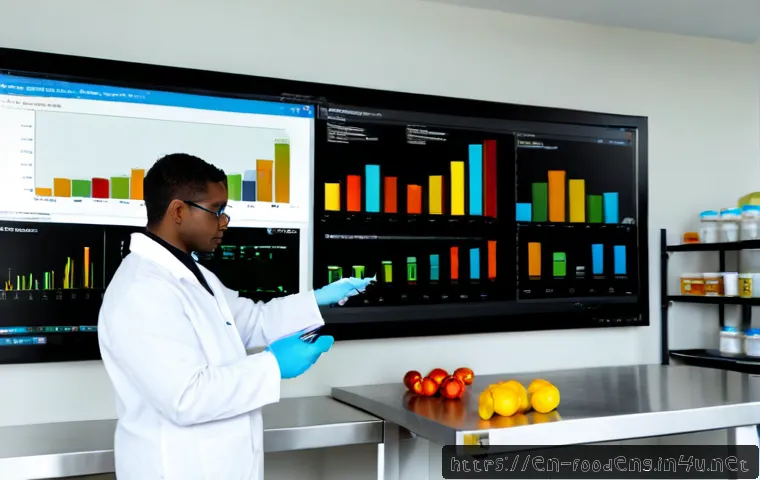
Data science creates the most practical value in food operations when it improves forecasting, reduces waste, strengthens quality monitoring, or makes traceability data easier to use.

The right investment is usually the one tied to a specific operational decision—not the one with the most advanced AI claims. Food manufacturers, processors, retailers, and distributors can compare packaged analytics software, custom development, and implementation consulting based on their data readiness, integration needs, and internal capability.
Demand planning tools may help teams use sales, inventory, promotion, weather, and production data more consistently. Quality systems can support inspection and anomaly detection, while traceability platforms can organize standardized information across batches and partners.
Any AI recommendation still needs review within existing food-safety, quality-assurance, and regulatory processes.
At a Glance
- Forecasting supports purchasing, production planning, and inventory allocation by combining operational and market data.
- Quality monitoring can use computer vision and anomaly detection to support visual inspection and identify unusual patterns.
- Traceability and waste reduction depend on reliable data capture across suppliers, facilities, batches, and distribution partners.
| Approach | Best Fit | Main Cost Drivers | Internal Resources Needed |
|---|---|---|---|
| Packaged analytics platform | Teams with a defined forecasting, planning, quality, or traceability workflow | Subscriptions, integrations, data preparation, training, and support | Process owners, data access, and staff who can use the platform in daily decisions |
| Custom development | Businesses with unusual production logic, complex data sources, or specialized decision rules | Data engineering, cloud infrastructure, model development, maintenance, and security controls | Technical leadership, subject-matter experts, and ongoing ownership after deployment |
| Analytics consulting | Organizations that need a data-readiness review, a focused pilot, or help selecting enterprise software | Discovery work, integration planning, implementation scope, and knowledge transfer | Cross-functional participation from operations, quality, IT, and supply-chain teams |
Where Data Creates the Most Value Across Food Operations
Three Quick Answers for Forecasting, Quality, and Waste Reduction
Forecasting is often the most direct starting point when purchasing, production, or inventory allocation is driven by incomplete or disconnected information. Quality analytics is a strong candidate when visual checks, packaging reviews, labeling checks, or product appearance decisions consume significant attention. Waste reduction becomes more actionable when sales, stock, production, shelf-life, and distribution data can be reviewed together rather than in separate systems.
Why Business Goals Should Come Before Model Selection
Start with the decision that needs improvement: how much to buy, what to produce, where to allocate inventory, which line condition needs attention, or which batch records need review. A demand-planning tool, food traceability platform, cloud data infrastructure, or AI platform should be evaluated against that decision. Choosing a model first can produce an impressive demonstration without changing day-to-day operations.
Measuring Value Through Yield, Service Levels, Waste, Downtime, and Labor Efficiency
A useful project defines the operational measure before implementation. Depending on the use case, teams may track yield, service levels, waste, downtime, or labor efficiency. The important point is to connect the analysis to a workflow that can act on it. If no one owns the resulting recommendation, better data alone may not produce measurable value.
High-Impact Analytics Use Cases From Farm Inputs to Retail Shelves
Demand Forecasting and Promotion Planning
Forecasting models can combine sales, inventory, production, weather, promotion, and supplier data to support planning decisions. For example, a planner may use the output to review purchasing requirements, production capacity, or inventory allocation. Promotion planning deserves separate attention because promotion data can influence demand patterns and should be visible in the planning process.
Production Scheduling, Inventory Optimization, and Shelf-Life Management
Production and inventory teams often work with trade-offs: available materials, line capacity, finished stock, distribution requirements, and product shelf life. Analytics can help organize these inputs for operational review. It should not be treated as an automatic scheduling authority, especially where food-safety, quality, or customer requirements require human approval.
Quality Assurance, Computer Vision, and Anomaly Detection
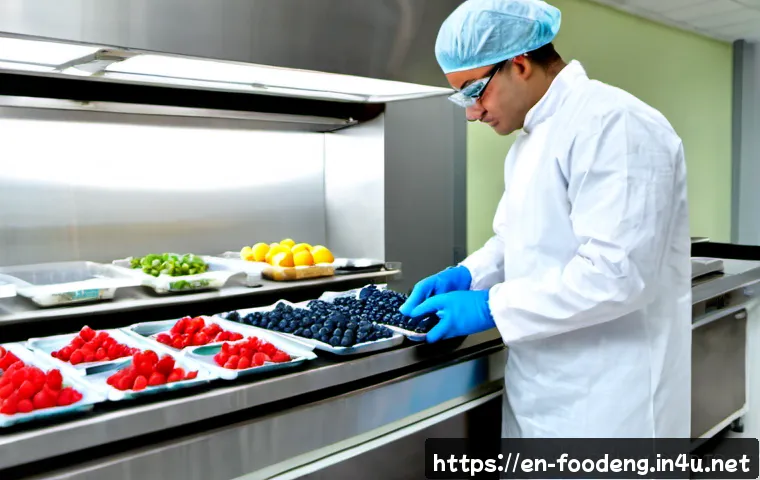
Computer vision can support visual inspection tasks, including identifying packaging defects, labeling issues, or product appearance variations. Anomaly detection can also help teams notice patterns that deserve investigation. These tools work best when quality-assurance teams define what counts as an acceptable condition, how exceptions are reviewed, and how inspection data is retained.
Traceability, Supplier Performance, and Recall Readiness
Traceability programs depend on reliable, standardized data capture across suppliers, facilities, batches, and distribution partners. A traceability platform may make records easier to connect and review, but it cannot compensate for missing, inconsistent, or poorly owned source data. Supplier data should have clear definitions, access rules, and responsibilities before it is used in dashboards or risk reviews.
Equipment Monitoring and Predictive Maintenance
Predictive maintenance models can use equipment-sensor data to identify patterns associated with potential machine failures. This may help maintenance teams prioritize inspection or maintenance work. It does not remove the need for engineering judgment, established maintenance procedures, or safe operating controls.
Software Platform, Custom Build, or Consulting: How to Compare the Investment
When a Ready-Made Food Analytics Platform Is Sufficient
A packaged platform is often worth considering when the required workflow is already clear: demand forecasting, inventory planning, quality reporting, or batch traceability. Look for a solution that can connect to the systems your team already uses and that presents outputs in a form planners, quality staff, and operations managers can understand.
When Custom Models and Data Engineering Are Justified
Custom development may be justified when production processes, data structures, or business rules are highly specialized. It can provide flexibility, but it also creates a longer-term responsibility for data engineering, cloud data infrastructure, cybersecurity, model monitoring, and support. A custom model without an owner can become difficult to maintain.
Cost Drivers: Integrations, Cloud Usage, Data Cleanup, Training, and Support
The exact cost and timeline of a food analytics project require a review of current systems, data quality, scale, and compliance needs. Common cost drivers include ERP, MES, warehouse, and quality-system integrations; cloud usage; data cleanup; user training; cybersecurity controls; and ongoing support. Compare implementation estimates by scope and operating responsibility, not by an initial software figure alone.
Questions to Ask During Vendor Demos and Implementation Estimates
Ask which source systems are supported, who validates incoming data, how recommendations enter existing workflows, and what security controls apply. Also ask how model performance is reviewed over time, what happens when source data changes, and how quality and food-safety teams approve the use of recommendations. Review official product documentation and detailed implementation conditions before selecting a subscription or services engagement.
A Practical Implementation Process—and Mistakes to Avoid
Start With One Measurable Operational Decision
A limited pilot should focus on one decision with a named owner. Examples include reviewing a purchase plan, prioritizing quality checks, or identifying maintenance patterns for investigation. A narrow scope gives the team a realistic way to test data availability, workflow fit, and decision usefulness before expanding.
Audit Data Quality, Ownership, Access, and Retention Rules
Before building a dashboard or model, identify where each important field originates, who owns it, who can access it, and how long it is retained. Data governance is not separate from analytics quality. Unclear definitions for products, batches, suppliers, or inventory locations can undermine an otherwise capable analytics tool.
Connect Recommendations to Existing ERP, MES, Warehouse, or Quality Workflows
Analytics creates more value when it fits into the systems and meetings people already use. A planner may work in an ERP environment, a plant team may rely on MES data, and quality teams may use separate quality records. The integration plan should show where information enters, who reviews it, and what action follows.
Avoiding Weak Pilots, Unmaintained Models, and Misleading Performance Metrics
Pilots often stall when the goal is vague, the data is inaccessible, or operational teams are involved too late. Another risk is treating a successful demonstration as a finished system. Models and data pipelines need monitoring as data sources, products, suppliers, and workflows change. Avoid judging success only by technical accuracy when the real question is whether the output improves a business decision.
Matching the Use Case to Your Food Business
Small and Mid-Sized Producers With Limited Data Teams
Smaller producers may benefit from starting with a defined use case and a limited pilot rather than attempting a broad AI transformation. A packaged demand-planning tool or focused consulting engagement can be easier to evaluate when internal data resources are limited. Confirm the amount of data preparation and internal participation required before committing.
Multi-Site Manufacturers Managing Complex Production and Distribution
Multi-site operations may need stronger data standards across facilities, product lines, batches, and distribution networks. Their priority may be cloud data infrastructure, integration governance, or a traceability framework before advanced modeling. Consistent data capture is especially important when reports must combine information from multiple locations.
Retailers, Distributors, and Foodservice Operators Managing Volatile Demand
Retailers, distributors, and foodservice operators can examine demand forecasting, promotion planning, inventory allocation, and shelf-life visibility. These use cases depend on timely sales and inventory information as well as clear ownership for replenishment and allocation decisions. A forecasting output is most useful when the people managing those decisions can review and challenge it.
Selection Criteria and Comparison Summary
Choose Forecasting Tools When Planning Accuracy Is the Immediate Bottleneck
Choose a forecasting or demand-planning platform when purchasing, production planning, or inventory allocation is the clearest operational constraint and the underlying sales and inventory data can be accessed. Confirm how promotions, weather, production, and supply information can be incorporated where relevant.
Prioritize Quality and Traceability Systems When Compliance and Risk Visibility Matter Most
Prioritize quality or traceability systems when the central need is better visibility into inspections, labeling, batches, suppliers, and distribution records. Verify standardized data capture, approval workflows, cybersecurity practices, and the ability to support existing quality-assurance and regulatory processes.
Use External Specialists When Data Architecture or Model Development Exceeds Internal Capacity
Hire a specialist when the immediate problem is unclear data ownership, fragmented systems, integration complexity, or a need for custom model development. Consulting can also be useful for defining a pilot that internal teams can realistically operate after the engagement ends.
Final Checklist Before Approving a Pilot, Software Subscription, or Consulting Engagement
Check the decision owner, source-data availability, required integrations, security responsibilities, user workflow, and ongoing support plan. Buy a platform when the workflow is established and product capabilities match it. Hire a specialist when architecture or data work is the blocker. Start with a limited pilot when the use case is promising but data reliability and workflow adoption still need proof. Official product pages and implementation documentation are the right places to confirm detailed conditions.
Conclusion
Data science in the food industry is most useful when it supports a specific operational decision. Forecasting, quality monitoring, maintenance analysis, and traceability can each provide value, but they require reliable data and clear employee workflows. The strongest investment case includes governance, integration, cybersecurity, and human review—not just model capability. Start with the business bottleneck, then choose the software platform, custom build, or consulting support that fits it.
Useful Information to Keep in Mind
Data readiness comes first: review sales, inventory, production, supplier, quality, and sensor data before comparing AI features.
Integration matters: confirm how the solution will work with ERP, MES, warehouse, and quality systems.
Human review remains essential: AI-generated recommendations should be reviewed through food-safety, quality-assurance, and regulatory processes.
Important Considerations
The cost, implementation timeline, and return on investment of food analytics software or consulting cannot be determined without reviewing the organization’s systems, data quality, scale, and compliance needs. Historical data may not be available or reliable enough for every forecasting or quality-control use case. No analytics model should be assumed to improve food safety, reduce recalls, or meet regulatory requirements without appropriate validation and process review.
Frequently Asked Questions
Q1. What are the most practical data science use cases for a food manufacturer?
A1. Common practical use cases include demand forecasting, purchasing and production planning, inventory allocation, visual quality inspection, anomaly detection, traceability reporting, supplier-data review, and equipment monitoring. The best starting point is the use case tied to a measurable operational decision and data that the business can reliably access.
Q2. How much does food analytics software or a data science consulting project typically cost?
A2. The exact cost depends on required integrations, cloud usage, data cleanup, training, support, system scale, and compliance requirements. Compare proposals by what is included in implementation and ongoing operations rather than assuming that a subscription price represents the full investment.
Q3. Should a food business buy an analytics platform or build a custom AI solution?
A3. Buy a platform when the workflow is established and a standard forecasting, quality, traceability, or planning capability fits the need. Consider a custom solution when data structures or production rules are unusually specialized and the organization can support ongoing engineering and model maintenance. If neither path is clear, begin with a limited pilot or use an external specialist to assess data readiness and integration requirements.