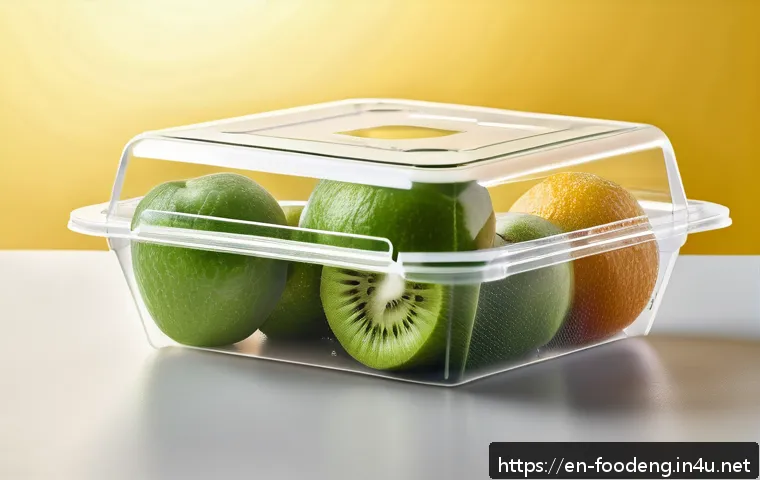
In today’s world, where environmental concerns are more pressing than ever, the shift towards biodegradable food packaging is gaining unstoppable momentum.
With plastic pollution reaching alarming levels, innovators are turning to eco-friendly materials that not only protect our food but also safeguard our planet’s future.
I’ve noticed firsthand how these sustainable alternatives are making waves in the industry, offering practical solutions that consumers and businesses alike can embrace.
If you’ve ever wondered how your daily choices impact the environment, this evolving trend is something you don’t want to miss. Let’s dive into how biodegradable packaging is transforming the food sector and paving the way for a greener tomorrow.
Innovative Materials Driving the Future of Food Packaging
Plant-Based Polymers: Nature’s Gift to Packaging
Plant-based polymers have become a cornerstone in the development of biodegradable food packaging. Derived primarily from renewable sources such as corn starch, sugarcane, and cellulose, these polymers offer a remarkable balance between durability and environmental friendliness.
What’s impressive is how companies have refined the production process to make these materials not just biodegradable, but also capable of maintaining food freshness over extended periods.
For example, polylactic acid (PLA), a popular plant-based polymer, mimics many of the properties of conventional plastics but decomposes much faster under composting conditions.
From my own experience, packaging made from these materials feels sturdier than I initially expected, and it’s reassuring to know it won’t linger in landfills for centuries.
Edible Packaging: A Revolutionary Concept
Imagine packaging you can safely eat after finishing your meal. Edible packaging is no longer a futuristic dream but an emerging reality thanks to advances in food science.
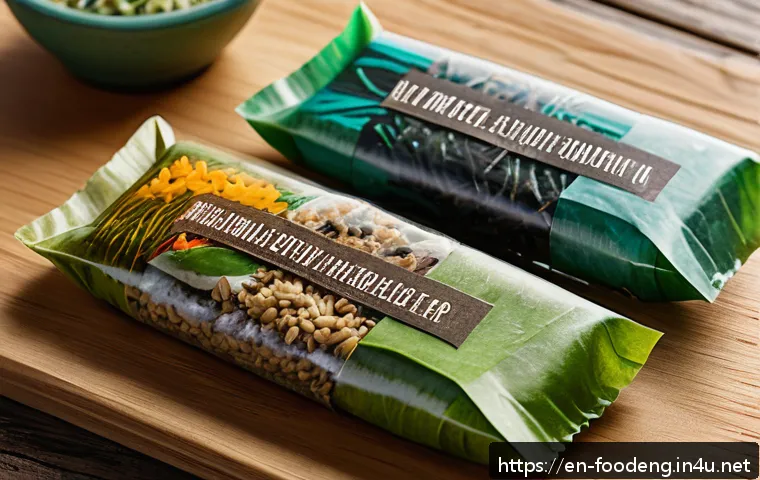
Made from ingredients like seaweed, rice paper, or even milk proteins, these innovative wrappers not only reduce waste but also add a fun, interactive element to food consumption.
The challenge lies in ensuring these materials meet strict hygiene and shelf-life requirements, but recent breakthroughs have shown promising results.
I recently tried seaweed-based packaging for snacks, and beyond the novelty, it genuinely enhanced the overall eating experience by adding a subtle, natural flavor.
Biodegradable Films and Coatings Enhancing Shelf Life
A major concern with shifting to biodegradable packaging is whether it can protect food as effectively as traditional plastic wraps. Thankfully, biodegradable films and coatings are making leaps in this regard.
These films, often made from proteins or polysaccharides, provide excellent barriers against moisture and oxygen, which are crucial for preserving freshness.
What’s more, some coatings include natural antimicrobial agents like essential oils, extending the shelf life of perishable goods. From what I’ve observed in the marketplace, these packaging solutions are gaining traction because they strike a vital balance between sustainability and functionality.
Challenges and Solutions in Biodegradable Packaging Adoption
Cost Implications and Market Acceptance
One of the biggest hurdles in adopting biodegradable food packaging is the higher production cost compared to traditional plastics. While prices have decreased over time, these materials still demand a premium, which can deter small businesses from making the switch.
However, as consumer demand for sustainable products grows, companies are increasingly willing to invest in eco-friendly packaging to align with their brand values.
I’ve noticed local cafes and restaurants willing to absorb these costs because their customers actively seek out green alternatives, proving that market acceptance is a powerful driver.
Composting Infrastructure and Consumer Awareness
Biodegradable packaging is only effective if it’s disposed of properly. Unfortunately, many regions still lack adequate composting facilities, leading to confusion and improper disposal.
This gap highlights the importance of educating consumers about how to handle biodegradable packaging after use. Some brands have taken the lead by including clear disposal instructions on their packaging or partnering with local composting programs.
Personally, I’ve found that when businesses invest in this kind of communication, customers respond positively and are more likely to participate in sustainable waste management.
Regulatory Landscape and Industry Standards
Navigating the regulatory environment is crucial for companies producing biodegradable packaging. Standards vary widely across countries and regions, influencing material selection and labeling practices.
Recent initiatives aim to harmonize these regulations to provide clearer guidelines for manufacturers and consumers alike. For instance, certifications like ASTM D6400 in the U.S.
or EN 13432 in Europe help verify that packaging meets biodegradability criteria. In my conversations with industry experts, compliance with these standards is not just a legal formality but a trust-building factor that reassures consumers about the product’s environmental claims.
Consumer Behavior Shaping Packaging Trends
Eco-Conscious Purchasing Decisions
Today’s consumers are more informed and environmentally aware than ever before, and this shift is profoundly impacting packaging trends. When I shop, I notice that people are scrutinizing labels and actively choosing products with clear sustainability credentials.
This growing eco-consciousness pushes brands to innovate and offer biodegradable options, knowing it can influence purchasing behavior significantly. The social aspect also plays a role; sharing sustainable choices on social media has become a trend, further amplifying consumer-driven demand.
Convenience Versus Sustainability: Finding the Balance
While sustainability is a priority, convenience remains a critical factor for consumers. Biodegradable packaging must meet everyday usability standards, such as ease of opening, resealing, and durability during transport.
From personal experience, I’ve sometimes hesitated to switch to eco-friendly packaging if it meant sacrificing convenience. However, recent products have shown remarkable improvements, blending practicality with environmental benefits.
This balance is essential for widespread adoption, as consumers won’t compromise on functionality even for the sake of sustainability.
Role of Education in Changing Habits
Educating consumers about the benefits and proper disposal of biodegradable packaging is key to long-term success. I’ve seen that when people understand the positive environmental impact of their choices, they become more committed to using and properly disposing of sustainable packaging.
Campaigns, workshops, and clear labeling all contribute to this education process. It’s encouraging to witness grassroots movements and brand-led initiatives that empower consumers to make greener choices without feeling overwhelmed or confused.
Technological Breakthroughs Enhancing Packaging Performance
Nanotechnology in Biodegradable Materials
Nanotechnology is revolutionizing biodegradable packaging by enhancing its strength, barrier properties, and biodegradability. By incorporating nanoparticles such as nanoclays or cellulose nanocrystals, manufacturers can significantly improve packaging’s resistance to moisture and gases.
From what I’ve read and seen in product demos, these advancements allow biodegradable packaging to compete directly with conventional plastics in terms of performance.
This technology also opens doors for multifunctional packaging that can actively preserve food quality through controlled release of preservatives or sensors.
Smart Packaging Integration
Smart packaging, which includes features like freshness indicators and temperature sensors, is increasingly being combined with biodegradable materials.
This fusion offers a dual advantage: sustainability and enhanced food safety. For example, some biodegradable packages now have built-in pH sensors that change color if the food starts to spoil, providing real-time feedback to consumers.
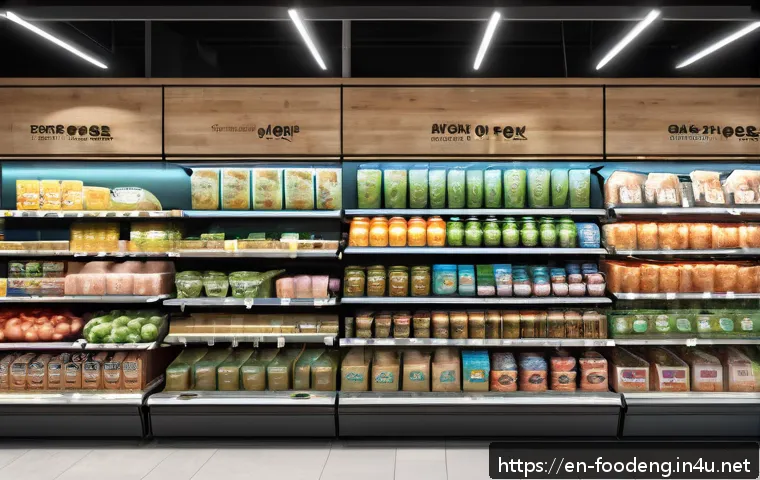
I recently encountered such packaging in a specialty grocery store, and it felt like a glimpse into the future where technology and sustainability work hand in hand.
Advanced Composting Technologies
The efficiency of composting processes directly impacts the viability of biodegradable packaging. Innovations in composting technology, including accelerated aerobic composting and enzymatic treatments, are shortening the time needed for biodegradation and increasing the range of materials that can be processed.
These advances help reduce the carbon footprint associated with waste management. In my discussions with waste management professionals, it’s clear that ongoing investment in composting infrastructure is essential for the circular economy to thrive.
Environmental Impact and Lifecycle Analysis
Carbon Footprint Reduction Through Biodegradable Packaging
Switching to biodegradable packaging can significantly reduce the carbon footprint of food products. This reduction comes from both the use of renewable raw materials and the lower energy consumption during production compared to fossil-fuel-based plastics.
However, the full environmental benefit depends on proper end-of-life management, including composting or recycling. In life cycle assessments I’ve reviewed, biodegradable packaging consistently shows a smaller overall environmental impact, especially when local composting systems are in place.
Water Usage and Resource Efficiency
An often-overlooked aspect of packaging sustainability is water consumption during production. Biodegradable materials, especially those derived from plants, can require substantial water inputs, raising questions about resource efficiency.
Innovations aimed at using agricultural residues or non-food biomass are addressing these concerns by reducing competition with food crops and lowering water footprints.
From what I’ve gathered, companies are increasingly transparent about these metrics, helping consumers make more informed choices.
End-of-Life Scenarios and Waste Reduction
The ultimate goal of biodegradable packaging is to minimize waste accumulation in landfills and oceans. Compared to conventional plastics, biodegradable materials break down more quickly under the right conditions, turning into harmless organic matter.
However, mismanaged disposal can still lead to environmental issues, such as methane emissions from anaerobic landfill decomposition. This highlights the need for robust waste segregation and composting programs.
I’ve observed that communities with active composting initiatives experience noticeably less plastic pollution, underscoring the importance of systemic support.
Comparative Overview of Biodegradable Packaging Types
| Material Type | Source | Key Benefits | Typical Applications | Limitations |
|---|---|---|---|---|
| Polylactic Acid (PLA) | Corn starch, sugarcane | Clear, strong, compostable | Clamshells, cups, films | Lower heat resistance, industrial composting needed |
| Starch-Based Plastics | Potatoes, corn | Biodegradable, cost-effective | Food trays, loose-fill packaging | Water sensitivity, less durable |
| Cellulose Films | Wood pulp, cotton | Transparent, good barrier properties | Wrapping fresh produce, candy wrappers | Moisture sensitive, expensive |
| Seaweed-Based Packaging | Seaweed, algae | Edible, biodegradable, renewable | Snack wrappers, sachets | Limited shelf life, niche applications |
| Protein-Based Films | Milk, soy, wheat proteins | Edible, antimicrobial properties | Coatings, wrapping perishable goods | Costly, sensitive to humidity |
Conclusion
Innovative materials are reshaping the future of food packaging by combining sustainability with functionality. From plant-based polymers to smart packaging technologies, these advancements offer promising solutions to environmental challenges. While hurdles like cost and infrastructure remain, growing consumer demand and technological progress continue to drive positive change. Embracing these innovations can lead to a more sustainable and efficient food packaging landscape.
Useful Information to Keep in Mind
1. Biodegradable packaging materials like PLA and seaweed-based films offer eco-friendly alternatives but may require specific disposal methods to maximize benefits.
2. Consumer education plays a vital role in ensuring proper use and disposal of sustainable packaging, which helps reduce environmental impact.
3. Balancing convenience with sustainability is key to encouraging widespread adoption of biodegradable packaging in everyday life.
4. Emerging technologies such as nanotechnology and smart sensors are enhancing packaging performance and food safety simultaneously.
5. Regulatory standards and certifications provide trustworthy benchmarks that help consumers and businesses identify truly biodegradable products.
Key Takeaways
Adopting biodegradable food packaging involves navigating cost challenges, infrastructure limitations, and regulatory complexities. Success depends on coordinated efforts among manufacturers, consumers, and policymakers to promote sustainable practices. Consumer awareness and demand are powerful forces driving innovation and market acceptance. Technological advancements continue to improve the durability and functionality of biodegradable materials, making them viable alternatives to traditional plastics. Ultimately, the environmental benefits are maximized when these materials are properly disposed of through composting or recycling programs.
Frequently Asked Questions (FAQ) 📖
Q: What exactly is biodegradable food packaging, and how does it differ from traditional plastic packaging?
A: Biodegradable food packaging is made from natural materials like plant fibers, starches, or biopolymers that can break down naturally in the environment, usually within a few months.
Unlike traditional plastics, which can take hundreds of years to decompose and often leave harmful microplastics behind, biodegradable packaging decomposes quickly and safely, reducing pollution and landfill waste.
From my experience, switching to biodegradable options not only helps the environment but often improves brand image as consumers become more eco-conscious.
Q: Are biodegradable food packaging materials as durable and practical as regular plastic when it comes to protecting food?
A: Initially, I was skeptical about whether biodegradable packaging could match the durability of plastic, especially for items needing airtight seals or moisture resistance.
However, recent innovations have significantly improved their performance. Many biodegradable materials now offer comparable strength and protection, keeping food fresh without compromising safety.
Of course, some products might still require specific packaging types depending on the food’s nature, but for many everyday uses, these eco-friendly alternatives work just as well.
Q: How can consumers and businesses ensure that biodegradable packaging actually gets composted or recycled properly?
A: This is a crucial point because biodegradable packaging only benefits the environment if it’s disposed of correctly. From what I’ve seen, consumers should check local composting facilities or recycling programs that accept biodegradable materials, as not all waste systems handle them.
Businesses can support this by educating customers and providing clear disposal instructions on packaging. Personally, I’ve noticed that when companies take this extra step, it not only boosts customer trust but also increases the likelihood that the packaging will be processed sustainably rather than ending up in landfills.