As climate change and resource scarcity dominate global conversations, the intersection of food and environmental engineering has never been more critical.
Innovations in these fields are not just buzzwords—they’re driving tangible solutions for a sustainable tomorrow. From cutting-edge agricultural technologies to eco-friendly waste management, these advancements are reshaping how we produce and consume.
If you’ve ever wondered how science can help secure our planet’s future while feeding its growing population, this deep dive will offer fresh insights and inspiring breakthroughs.
Stick around to discover how these transformative ideas might soon impact your daily life and the world at large.
Revolutionizing Crop Production with Smart Agriculture
Precision Farming: Targeted Growth for Higher Yields
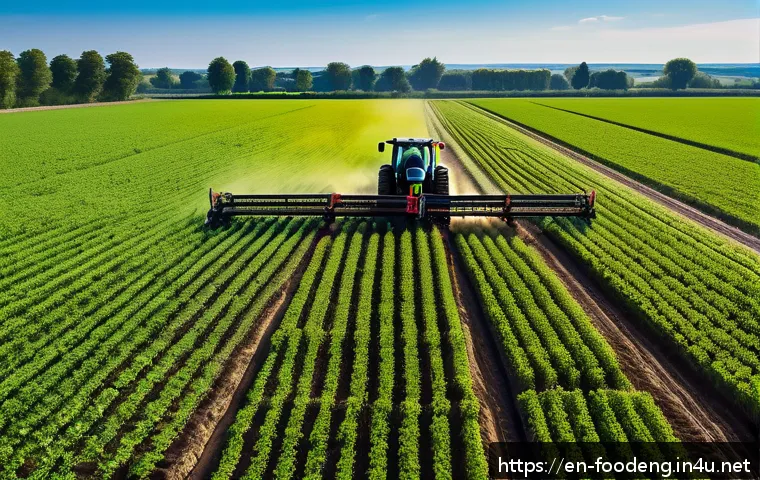
Precision farming has transformed traditional agriculture by leveraging GPS mapping, soil sensors, and drone surveillance to manage fields with pinpoint accuracy.
Instead of applying water, fertilizers, or pesticides uniformly, farmers can now deliver exactly what each plant needs, reducing waste and boosting productivity.
From my visits to farms using these technologies, I noticed they significantly cut input costs while maintaining or even increasing crop yields. This approach not only enhances efficiency but also minimizes environmental damage, which is crucial as resources become scarcer.
Vertical Farming: Growing Up Instead of Out
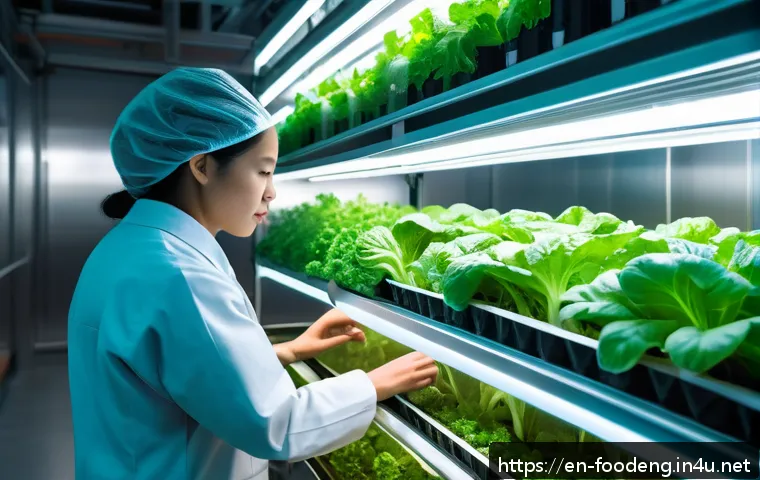
Vertical farming is a game-changer for urban areas where space is limited. By stacking layers of crops in climate-controlled environments, growers can produce fresh vegetables year-round without relying on seasonal changes or vast land tracts.
I’ve seen indoor farms that recycle water and nutrients, drastically cutting down on waste. Plus, they avoid pesticides altogether, offering cleaner produce.
This method also slashes transportation emissions since crops can be grown close to consumers, making it an eco-friendly and space-saving solution.
Biotechnology’s Role in Crop Resilience
Genetic engineering and CRISPR technologies are enabling crops to withstand drought, pests, and disease more effectively than ever before. When I talked to researchers working on drought-resistant corn, they emphasized how these advances can secure food supplies amid climate uncertainty.
While some controversies exist around genetically modified organisms, the potential benefits in reducing chemical use and stabilizing yields are hard to ignore.
It’s a powerful tool that, combined with sustainable farming practices, can help feed a growing global population.
Innovations in Sustainable Food Processing
Reducing Food Waste Through Advanced Preservation
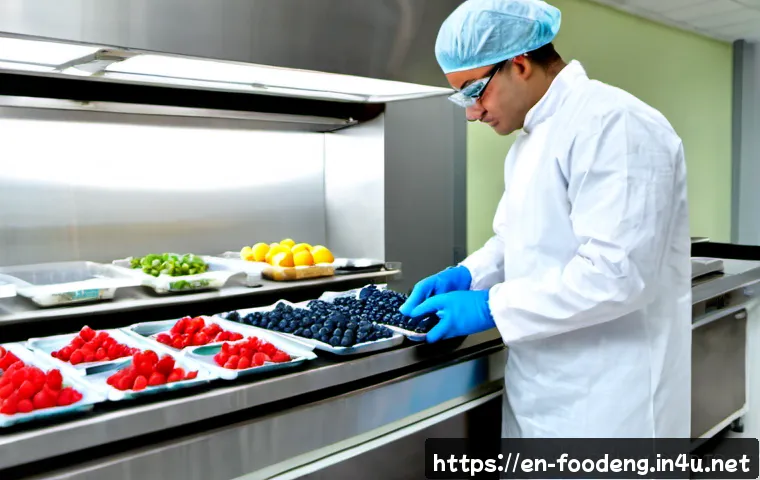
Food waste is a massive environmental problem, but new preservation techniques are changing the game. Technologies like modified atmosphere packaging and edible coatings extend shelf life without harmful chemicals.
From what I’ve experienced shopping at stores using these methods, fruits and veggies last noticeably longer, cutting down on household waste. This not only saves money but also reduces methane emissions from decomposing food in landfills, addressing a critical climate issue.
Plant-Based Alternatives and Lab-Grown Meats
The rise of plant-based proteins and cultured meats is reshaping how we think about protein sources. I sampled some of the latest lab-grown burgers, and the texture and taste were impressively close to real meat.
These innovations require fewer resources—land, water, and feed—compared to traditional livestock farming, which is a major driver of greenhouse gases.
While still scaling up, they offer a promising pathway to meet protein demand sustainably, especially as awareness of animal welfare and environmental impact grows.
Energy Efficiency in Food Manufacturing
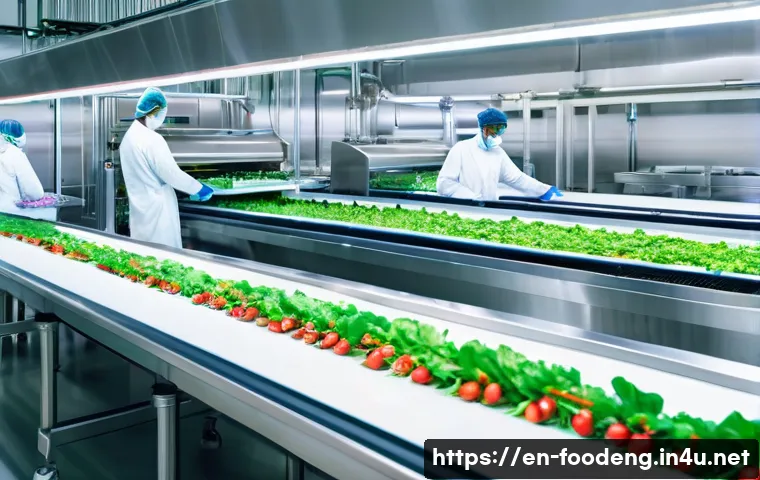
Food processing plants are notoriously energy-intensive, but smarter systems are slashing consumption. Using waste heat recovery, solar power integration, and AI-driven process optimization, factories are becoming greener.
I visited a facility recently that cut its energy use by nearly 30% through these measures, translating to lower costs and a smaller carbon footprint.
These upgrades not only help the planet but also improve profitability—proof that sustainability and business goals can go hand in hand.
Transforming Waste into Resources
Bioconversion of Food Waste into Biofuels
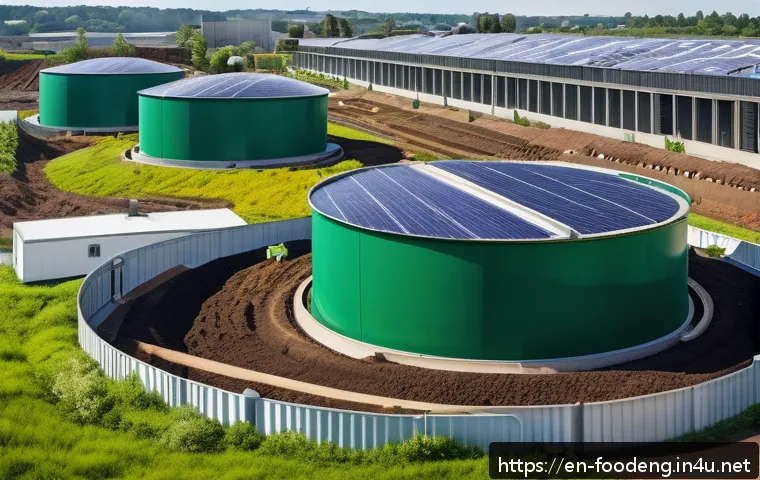
Turning leftover food into biofuels is a brilliant way to tackle waste and generate clean energy simultaneously. Through anaerobic digestion, organic waste breaks down into methane-rich biogas that can power homes or vehicles.
I observed a community-scale project where local restaurants contributed scraps, and the resulting energy supplied nearby facilities. This circular approach cuts landfill use and fossil fuel reliance, showing how waste streams can become valuable assets rather than problems.
Composting Technologies for Urban Environments
Urban composting innovations are making it easier for cities to recycle organic waste efficiently. Automated composters that speed up decomposition and reduce odors are gaining traction in apartment complexes and offices.
From conversations with urban planners, these systems improve waste diversion rates and produce nutrient-rich compost for local gardens. It’s a practical step toward closing the food system loop while enhancing soil health in city landscapes.
Plastic Alternatives in Food Packaging
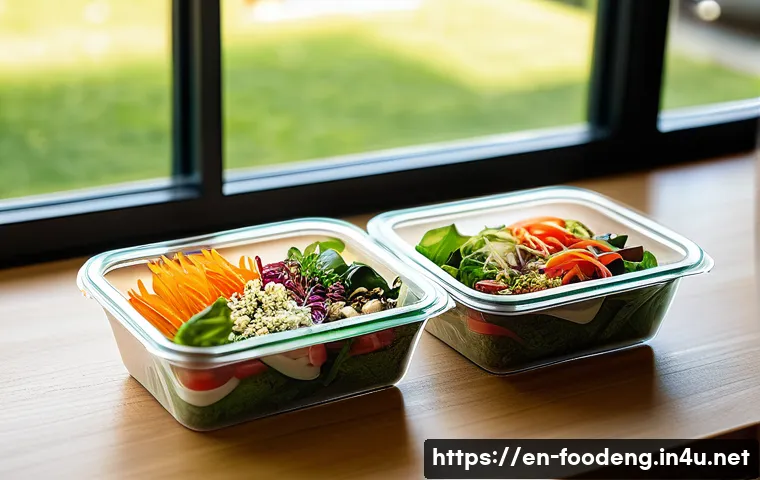
The environmental toll of plastic packaging has pushed companies to develop biodegradable and edible packaging materials. I recently tried snacks wrapped in seaweed-based films that dissolve in water, which was surprisingly convenient and eco-friendly.
These alternatives reduce plastic pollution and often come from renewable sources, aligning packaging with sustainability goals. Wider adoption could dramatically cut the billions of plastic tons polluting oceans each year.
Water Management Innovations in Food Production
Smart Irrigation Systems to Conserve Water
Water scarcity is a growing threat, and smart irrigation systems are vital in addressing it. By using soil moisture sensors and weather forecasts, these systems optimize water delivery, ensuring crops get just the right amount.
I’ve seen farms where water use dropped by nearly 40%, a huge saving for drought-prone regions. This precision watering helps maintain yields while preserving precious freshwater resources.
Wastewater Recycling in Agriculture
Recycling treated wastewater for irrigation is becoming more common, especially in water-stressed areas. Modern filtration and disinfection technologies ensure water quality is safe for crops and soil.
Farmers I’ve spoken with appreciate the reliability of this source, particularly during dry spells. Integrating wastewater reuse into farming reduces pressure on natural water bodies and promotes a more sustainable water cycle.
Rainwater Harvesting for Sustainable Farming
Collecting and storing rainwater offers an eco-friendly irrigation source that decreases dependence on groundwater. I know several growers who installed rainwater tanks and reported improved water security during dry months.
Coupled with efficient irrigation, this practice supports resilient farming systems that can better adapt to climate variability.
Data-Driven Food Systems for the Future
Artificial Intelligence in Supply Chain Optimization
AI is revolutionizing food supply chains by predicting demand, managing inventory, and reducing spoilage. I’ve followed companies using AI platforms that cut food waste in supermarkets by up to 20%.
These systems analyze purchasing patterns and optimize logistics, which not only saves money but also reduces the environmental footprint associated with overproduction and disposal.
Blockchain for Transparency and Traceability
Blockchain technology enhances food safety and trust by providing transparent tracking from farm to table. When I explored a farm-to-consumer blockchain project, it was clear how this tech empowers consumers to verify product origins and ethical practices.
Such transparency can drive sustainable sourcing and improve accountability across the food system.
Consumer Apps Promoting Sustainable Choices
Mobile apps are helping shoppers make environmentally friendly food decisions by highlighting carbon footprints and sourcing details. I’ve tried apps that suggest low-impact recipes and local produce options, making sustainable eating more accessible.
These tools encourage mindful consumption and support the shift toward greener food habits.
| Innovation | Environmental Benefit | Practical Impact | Example Usage |
|---|---|---|---|
| Precision Farming | Reduces chemical runoff and water waste | Increases crop yields, lowers input costs | GPS-guided fertilizer application |
| Vertical Farming | Minimizes land use and transportation emissions | Year-round fresh produce in urban areas | Indoor stacked farms with LED lighting |
| Bioconversion of Food Waste | Reduces landfill methane, produces renewable energy | Converts scraps into biogas for power | Community anaerobic digesters |
| Smart Irrigation | Conserves water resources | Optimizes water use, maintains yields | Soil moisture sensors with automated valves |
| AI Supply Chain | Decreases food waste | Improves inventory management | Predictive demand analytics in supermarkets |
Empowering Communities Through Sustainable Food Technologies
Small-Scale Innovations with Big Impacts
Not every breakthrough has to be high-tech to matter. Community gardens using composting toilets or solar dehydrators exemplify how grassroots efforts can improve food security and reduce waste.
I’ve volunteered in urban farming projects where simple tools made a huge difference in local nutrition and environmental awareness. These accessible innovations help bridge gaps where industrial solutions may not reach.
Education and Training for Green Food Practices
Equipping farmers and consumers with knowledge about sustainable methods is crucial. Workshops on regenerative agriculture or zero-waste cooking empower people to make eco-friendly choices daily.
From my experience attending such sessions, hands-on learning fosters a deeper connection to the food system and motivates long-term behavior change.
Collaborative Networks Driving Innovation
Partnerships among researchers, businesses, and policymakers accelerate the adoption of sustainable food technologies. I’ve observed how multi-stakeholder forums facilitate knowledge sharing and scale solutions faster.
These collaborations ensure innovations are practical, culturally appropriate, and economically viable, helping build resilient food systems worldwide.
Conclusion
Smart agriculture and sustainable food technologies are reshaping the future of food production, making it more efficient, eco-friendly, and resilient. Through precision farming, innovative processing, and waste-to-resource solutions, we can meet growing demands while protecting the planet. Embracing these advancements not only benefits farmers and consumers but also supports global food security. The ongoing collaboration among communities, researchers, and industries is key to driving meaningful change.
Useful Information to Know
1. Precision farming reduces resource waste by tailoring inputs like water and fertilizer directly to crop needs, improving yields and lowering costs.
2. Vertical farming allows fresh produce to be grown year-round in urban spaces, cutting down on transportation emissions and land use.
3. Advanced food preservation methods extend shelf life without harmful chemicals, helping reduce household and industrial food waste.
4. Smart irrigation systems optimize water use by monitoring soil moisture and weather, saving water while maintaining healthy crops.
5. AI and blockchain technologies enhance supply chain transparency, reduce food waste, and empower consumers to make sustainable choices.
Key Takeaways
Adopting smart agriculture technologies is essential for increasing productivity sustainably and minimizing environmental impact. Innovations such as bioconversion and biodegradable packaging help close the loop on waste, turning challenges into opportunities. Community engagement and education strengthen these efforts by encouraging practical, low-tech solutions alongside high-tech advances. Ultimately, a collaborative approach will build resilient, transparent, and efficient food systems capable of feeding the future.
Frequently Asked Questions (FAQ) 📖
Q: How are innovations in food and environmental engineering helping to combat climate change?
A: Innovations in these fields are directly addressing climate change by improving efficiency and reducing waste in food production. For example, precision agriculture uses sensors and AI to optimize water and fertilizer use, cutting down emissions and conserving resources.
Additionally, eco-friendly waste management techniques like anaerobic digestion turn organic waste into renewable energy, lowering greenhouse gas output.
From my experience, adopting these technologies not only helps farmers save costs but also contributes significantly to lowering the carbon footprint of the entire food supply chain.
Q: What are some practical examples of sustainable agricultural technologies currently in use?
A: There are several cutting-edge technologies making a real difference today. Vertical farming, for instance, allows crops to be grown indoors with minimal land and water, dramatically reducing environmental impact.
Drones and satellite imagery help monitor crop health in real-time, enabling targeted interventions rather than blanket pesticide use. I’ve seen firsthand how farmers using these tools can increase yields while preserving soil health and biodiversity, proving that sustainability and productivity can go hand in hand.
Q: How might advancements in food and environmental engineering affect everyday consumers?
A: These advancements are set to reshape what and how we eat in more sustainable ways. Consumers can expect to see more plant-based and lab-grown protein options that require fewer resources than traditional meat.
Packaging innovations are reducing plastic waste, and improved supply chains are making fresh, local foods more accessible year-round. From my perspective, these changes will not only help protect the environment but also offer healthier, fresher food choices that align with growing consumer demand for sustainability.