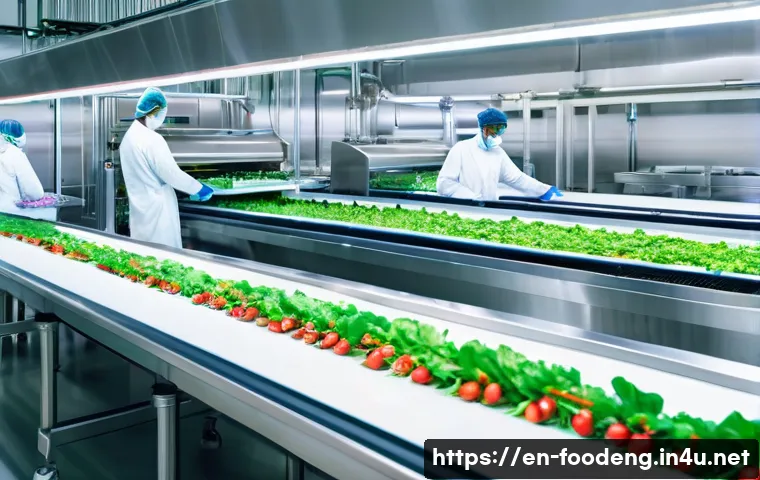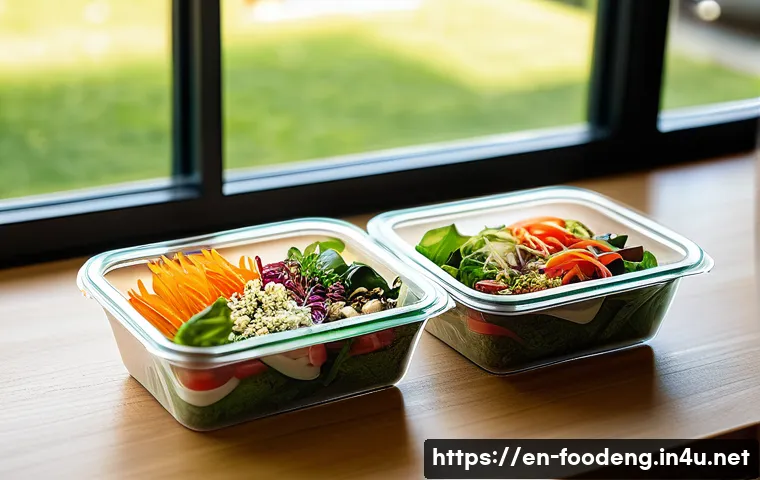
As concerns about environmental impact grow, the food packaging industry is undergoing a significant transformation. Innovative eco-friendly materials and sustainable technologies are now at the forefront, aiming to reduce waste and carbon footprints.
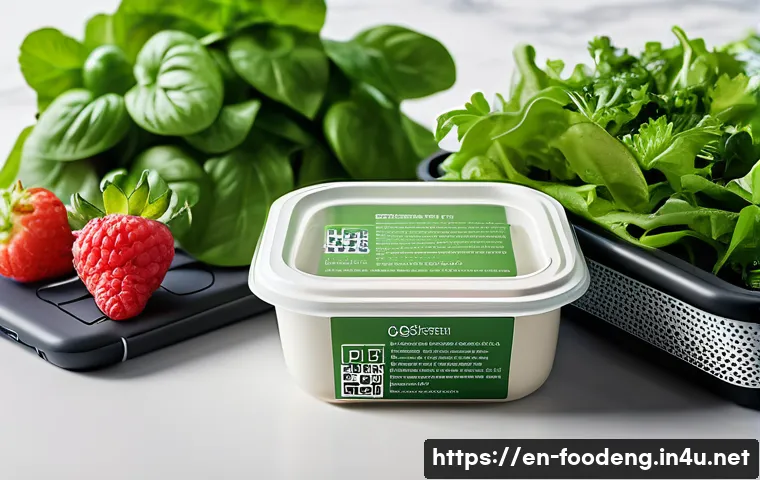
These advancements not only protect our planet but also ensure food safety and freshness. From biodegradable films to reusable containers, the shift toward green packaging is reshaping consumer expectations and industry standards.
Understanding these cutting-edge solutions is key to making informed choices in a greener future. Let’s dive deeper and explore these exciting developments in detail!
Revolutionizing Packaging with Biodegradable Innovations
Breakdown of Popular Biodegradable Materials
When it comes to biodegradable packaging, materials like polylactic acid (PLA), starch blends, and cellulose-based films have taken center stage. PLA, derived from fermented plant starch such as corn, has gained traction because it offers a compostable alternative to traditional plastics without compromising transparency or flexibility.
Starch blends often combine natural starch with biodegradable polymers to enhance durability, making them suitable for packaging that requires some moisture resistance.
Cellulose-based films, sourced from wood pulp, provide an oxygen barrier that helps preserve food freshness while breaking down naturally after disposal.
From my own experience, switching to PLA-based containers for takeout drastically reduced plastic waste without sacrificing product appeal, which was a win-win in my café.
Challenges in Commercial Adoption
Despite the promising attributes, biodegradable packaging isn’t without its hurdles. One major issue is the need for specific composting conditions; many biodegradable materials require industrial composting facilities to break down effectively, which aren’t always accessible to consumers or businesses.
Additionally, cost remains a barrier for widespread adoption as these materials can be more expensive than conventional plastics. There’s also the question of performance — some biodegradable films struggle with moisture and grease resistance, limiting their use for certain food products.
I’ve noticed that in some grocery stores, customers hesitate to buy items packaged in these materials because they worry about durability, even though the environmental benefits are clear.
Future Prospects and Innovations
Looking ahead, research is focusing on improving the strength and barrier properties of biodegradable films, making them more versatile. Innovations like blending natural polymers with nanomaterials or developing enzymatically degradable coatings are underway to address current weaknesses.
The goal is to create packaging that not only decomposes quickly but also extends the shelf life of perishable goods. I recently came across a startup experimenting with mushroom-based packaging that’s fully compostable and surprisingly sturdy — a concept that might soon disrupt the packaging world.
These breakthroughs promise a future where eco-friendly doesn’t mean compromising on quality.
Smart Packaging: Merging Sustainability with Technology
Integration of Sensors for Freshness Monitoring
Smart packaging is not just about sustainability; it’s also about enhancing food safety and reducing waste. By embedding sensors that detect gases like ethylene or ammonia, these packages can signal when food is starting to spoil.
This real-time freshness monitoring helps consumers and retailers avoid throwing away edible products prematurely. From what I’ve seen in pilot programs, these sensors can significantly reduce food waste, especially for highly perishable items like fruits and seafood.
The technology provides peace of mind by letting users know exactly when food is safe to consume, which is a game changer for busy households and businesses alike.
Use of QR Codes and Blockchain for Transparency
Another exciting trend is the use of QR codes on eco-friendly packaging that link to blockchain-based tracking systems. This transparency allows consumers to trace the entire supply chain of their food, verifying claims about organic farming, carbon footprint, or fair trade.
For brands, it builds trust and differentiates them in a crowded market. I personally find it reassuring to scan a code and learn about the journey of my food — it’s like bringing the story behind the product to life, and it encourages more mindful consumption.
This combination of sustainability and technology is redefining what consumers expect from packaging.
Balancing Costs with Benefits
While smart packaging adds value, it also introduces higher costs and complexity. Embedding sensors or blockchain tags isn’t cheap, so manufacturers must weigh these expenses against potential gains in customer loyalty and waste reduction.
For smaller producers, investing in these technologies might be a stretch without external support or incentives. However, as the technology matures and becomes more affordable, it’s likely we’ll see broader adoption.
From my conversations with industry insiders, many believe that combining smart features with green materials is the future standard, making packaging both intelligent and environmentally responsible.
Reusable Packaging: The Circular Economy in Action
Rise of Durable, Multi-use Containers
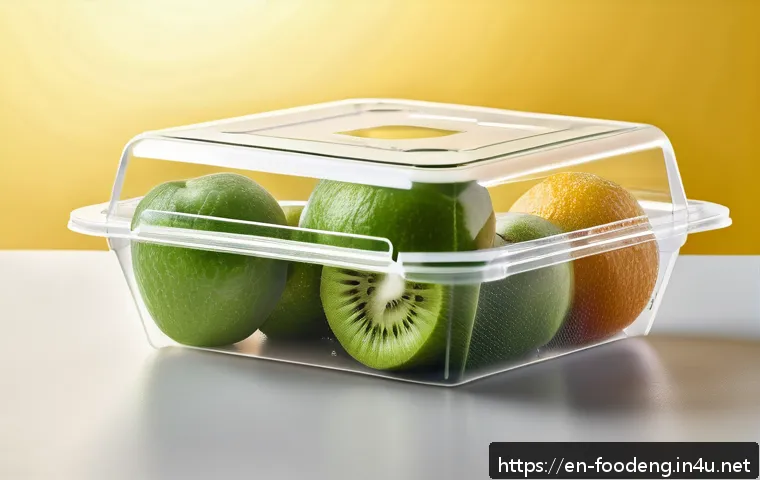
Reusable packaging is gaining momentum as consumers and companies seek to cut down single-use waste. These containers are made from materials like stainless steel, silicone, or thick BPA-free plastics designed to withstand multiple cycles of use and washing.
They’re particularly popular in food delivery and retail sectors where customers can return or exchange containers. In my experience running a small deli, introducing a deposit system for reusable containers not only reduced trash but also boosted repeat business, as customers appreciated the convenience and eco-friendly initiative.
The key is ensuring these containers are easy to clean and maintain, which encourages continued usage.
Logistical and Hygiene Considerations
Despite their benefits, reusable packaging systems come with logistical challenges. Collecting, sanitizing, and redistributing containers require infrastructure and strict hygiene protocols to prevent contamination.
Businesses must invest in effective cleaning facilities and track container returns accurately. From what I’ve observed, companies that partner with specialized service providers tend to manage this process more smoothly.
Consumers also need clear instructions to ensure proper use and return, which can be a learning curve. Nevertheless, when executed well, the environmental payoff is significant, with a dramatic reduction in packaging waste.
Incentivizing Consumer Participation
For reusable packaging to thrive, incentivizing consumers is crucial. Deposit-return schemes, discounts for bringing your own container, or loyalty points are effective motivators.
I’ve seen cafes and grocery stores successfully implement such programs, leading to enthusiastic customer engagement. Transparent communication about the environmental impact also helps build support.
Ultimately, creating a culture that values reuse over disposability requires collaboration between brands, retailers, and consumers. The more convenient and rewarding the system, the more likely it is to succeed in the long term.
Eco-friendly Packaging Performance: Striking the Right Balance
Maintaining Food Freshness and Safety
One of the biggest concerns when switching to eco-friendly packaging is whether it can protect food just as well as traditional options. It’s essential that these materials provide adequate barriers to oxygen, moisture, and contaminants to keep food fresh and safe.
Advances in multilayer biodegradable films and coatings have made significant strides here. For example, incorporating natural waxes or bio-based polymers can enhance moisture resistance without resorting to synthetic additives.
In my experience with organic produce packaging, these innovations helped extend shelf life noticeably, reducing spoilage and waste.
Comparing Mechanical and Barrier Properties
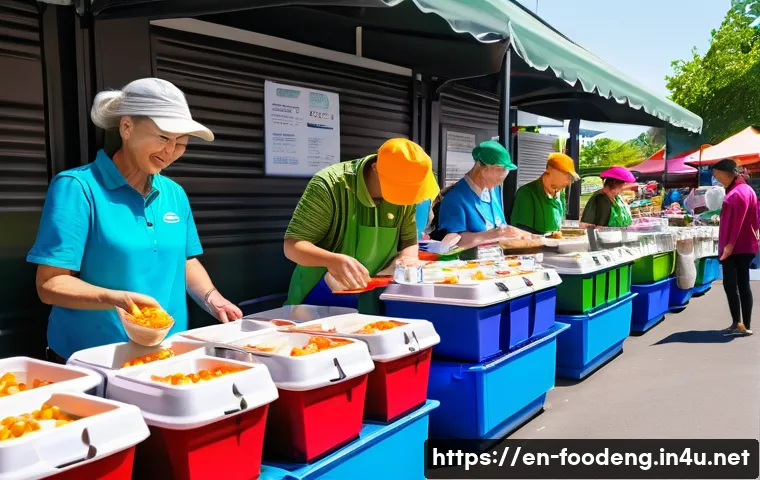
Eco-friendly materials vary widely in their mechanical strength and barrier capabilities, which directly influence their suitability for different types of food products.
For instance, rigid bioplastics offer sturdiness for containers but may fall short in flexibility, whereas films excel in wrapping but often lack puncture resistance.
Understanding these trade-offs is key for manufacturers and retailers when selecting packaging solutions. My takeaway from working with suppliers is that no single material fits all needs, so hybrid approaches combining several biodegradable or recyclable components often work best.
Cost vs. Environmental Impact Trade-offs
While eco-friendly packaging can be pricier upfront, the long-term environmental savings and brand reputation benefits often justify the investment. Consumers increasingly favor brands that demonstrate sustainability, which can translate into higher sales and loyalty.
From a cost perspective, bulk purchasing and technological advancements are gradually narrowing the price gap with conventional plastics. I’ve noticed that early adopters who communicate their commitment transparently tend to recover costs through positive consumer response and regulatory incentives.
Exploring Innovative Materials Beyond Plastics
Edible Packaging: A Novel Approach
Edible packaging made from ingredients like seaweed, rice paper, or milk proteins is an intriguing alternative that eliminates waste entirely. These materials can serve as wrappers or coatings that dissolve or can be eaten along with the food.
While still niche, edible packaging appeals strongly to sustainability-conscious consumers and offers a unique sensory experience. I tried seaweed-based wrappers for snacks recently and was surprised by how well they held up and added a subtle umami flavor.
Such innovations could find a strong foothold in sectors like fast food and confectionery.
Plant-based Composites and Fibers
Combining plant fibers with biodegradable resins creates composites that mimic the strength and flexibility of plastics without the environmental downsides.
Materials like bagasse (sugarcane residue), wheat straw, or hemp fibers are being incorporated into trays, bowls, and boxes. These composites are compostable and often sourced from agricultural by-products, making them doubly sustainable.
From working with local producers, I learned that these materials also have an appealing natural aesthetic that resonates with eco-conscious buyers.
Advances in Bio-derived Polymers
Bio-derived polymers produced through fermentation or enzymatic processes are emerging as versatile packaging solutions. Examples include polyhydroxyalkanoates (PHA), which biodegrade in marine and soil environments.
These polymers offer the advantage of being fully bio-based and biodegradable without industrial composting requirements. I attended a recent industry expo where PHA-based films were showcased for their clear, flexible properties and rapid degradation, highlighting their potential to replace many conventional plastics in food packaging.
Consumer Behavior and the Green Packaging Revolution
Growing Demand for Transparency and Sustainability
Consumers today are more informed and concerned about the environmental impact of their purchases than ever before. This shift is driving demand for packaging that clearly communicates its eco-friendly credentials, including recyclability, compostability, and carbon footprint.
In my interactions with shoppers, many express frustration when packaging claims feel vague or misleading, emphasizing the need for honest and straightforward labeling.
Brands that prioritize transparency often gain a competitive edge and foster deeper customer loyalty.
Willingness to Pay More for Green Solutions
While cost remains a consideration, a significant portion of consumers is willing to pay a premium for sustainable packaging, especially when it aligns with product quality and ethical values.
Surveys and market trends indicate that younger demographics are particularly motivated by environmental concerns. From running promotions on products with eco-friendly packaging, I noticed an uptick in sales and positive feedback, suggesting that investment in green packaging can yield both environmental and financial returns.
Challenges in Changing Long-standing Habits
Despite enthusiasm, changing consumer habits around packaging disposal and reuse can be challenging. Confusion about how to recycle or compost certain materials often leads to improper disposal, negating environmental benefits.
Education campaigns, clear instructions, and convenient collection systems are essential to bridge this gap. In my community, initiatives that combine informative signage with accessible drop-off points have proven effective in increasing correct recycling rates and fostering a culture of sustainability.
| Packaging Type | Material Source | Degradation Method | Typical Use Cases | Challenges |
|---|---|---|---|---|
| PLA (Polylactic Acid) | Plant starch (corn, sugarcane) | Industrial composting | Clear containers, films | Requires industrial facilities, cost |
| Cellulose Films | Wood pulp | Composting or biodegradation in soil | Food wraps, bags | Moisture sensitivity, strength |
| PHA (Polyhydroxyalkanoates) | Microbial fermentation | Biodegrades in marine and soil | Flexible films, coatings | Production cost, scale |
| Plant Fiber Composites | Bagasse, wheat straw, hemp | Composting | Trays, bowls, boxes | Durability, industrial processing |
| Edible Packaging | Seaweed, rice paper, milk proteins | Consumed or dissolves | Snack wrappers, coatings | Taste acceptance, shelf life |
Conclusion
Biodegradable and smart packaging innovations are reshaping the way we think about sustainability and functionality in the packaging industry. From eco-friendly materials to technology-driven solutions, these advancements offer promising paths to reduce environmental impact without compromising quality. Embracing these changes not only benefits the planet but also aligns with evolving consumer expectations. The future of packaging is undoubtedly green, smart, and reusable, creating a more responsible and efficient supply chain.
Useful Information to Know
1. Biodegradable packaging materials like PLA and cellulose films require specific composting conditions, often needing industrial facilities to fully break down.
2. Smart packaging technologies, including freshness sensors and blockchain tracking, help reduce food waste and increase transparency but can raise costs.
3. Reusable containers contribute significantly to waste reduction but depend on effective cleaning systems and consumer participation incentives.
4. Edible packaging and plant-based composites are emerging eco-friendly alternatives that combine sustainability with innovative design.
5. Consumer willingness to pay more for green packaging is growing, but clear labeling and education are essential to encourage proper disposal and reuse.
Key Takeaways
Adopting sustainable packaging solutions requires balancing environmental benefits with practical challenges such as cost, performance, and consumer behavior. Success lies in combining advanced biodegradable materials with smart technologies and reusable systems, supported by transparent communication and incentives. As the market evolves, collaboration among manufacturers, retailers, and consumers will be crucial to drive widespread adoption and create lasting positive impact on the environment.
Frequently Asked Questions (FAQ) 📖
Q: What are the most common eco-friendly materials used in sustainable food packaging?
A: The leading eco-friendly materials in food packaging include biodegradable films made from plant-based polymers like PLA (polylactic acid), compostable paperboard, and molded fiber from agricultural waste.
I’ve noticed that these materials break down much faster than traditional plastics, which helps cut down landfill waste significantly. Some companies also use recycled plastics and glass, which can be reused multiple times, striking a balance between sustainability and durability.
When choosing packaging, it’s important to consider not just the material but also its end-of-life options, like whether it can be composted or recycled in your local facilities.
Q: How do sustainable packaging solutions ensure food safety and freshness?
A: Sustainable packaging technologies have come a long way in protecting food quality. For example, biodegradable films often include barrier layers that prevent moisture and oxygen from spoiling food, similar to conventional plastic wraps.
From my experience, some companies are incorporating natural antimicrobial agents into packaging, which helps extend shelf life without harmful chemicals.
Resealable and reusable containers made from durable materials also keep food fresh longer. So, even though the materials are eco-friendly, they don’t compromise on the essential function of keeping food safe and fresh.
Q: Are reusable containers a practical option for everyday consumers?
A: Absolutely, reusable containers have become quite practical thanks to advances in design and materials. I’ve personally switched to reusable containers made from stainless steel and BPA-free plastics, and I found them easy to clean and carry around.
They reduce single-use waste drastically and can be used for everything from leftovers to grocery shopping. The key is to pick containers that fit your lifestyle—ones that are microwave and dishwasher safe, leak-proof, and stackable.
While the initial cost might be higher than disposable packaging, the long-term savings and environmental benefits make reusable containers a smart and rewarding choice.