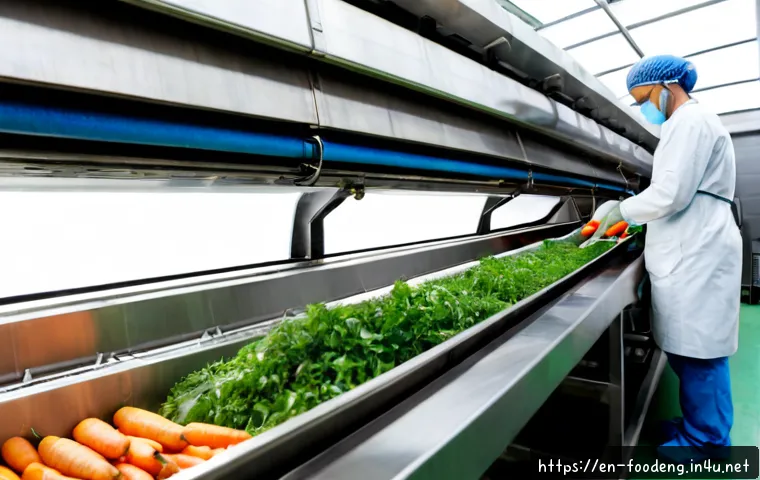
Sustainable food processing is not defined by one machine: the best option depends on the food, package, safety target, utility profile, and production volume.
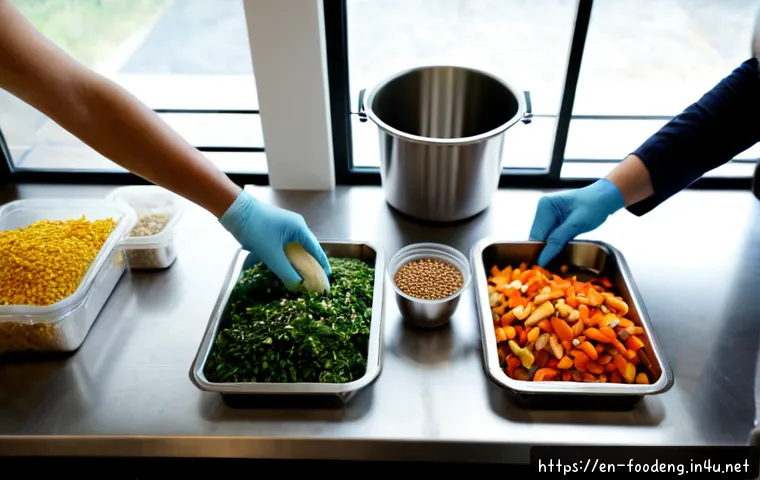
High-pressure processing is often relevant for packaged chilled products, PEF can fit suitable liquids and efficiency-focused applications, and ohmic heating can suit products that need rapid, relatively uniform heating.
For manufacturers, the practical comparison is safety validation, shelf-life performance, throughput, packaging compatibility, and total installed cost—not a broad “eco-friendly” claim.
Equipment proposals, validation services, and contract-processing quotes are useful only after the product and operating assumptions are clear. A lower-heat process may be valuable, but refrigeration, cleaning, electricity source, yield, and food waste still affect the overall result.
The right choice should protect product quality while giving operations a realistic path to scale.
At a Glance
- Packaged chilled foods: High-pressure processing (HPP) is commonly used to extend refrigerated shelf life for certain packaged foods and beverages.
- Pumpable liquids and extraction-focused applications: Pulsed electric fields (PEF) may support microbial reduction or improve extraction and cutting efficiency in suitable foods.
- High-throughput treatment of suitable foods: Ohmic heating can provide rapid, relatively uniform heating where the product has appropriate electrical properties.
| Technology | Typical Product Fit | Primary Processing Role | Packaging or Line Implications | Questions for Equipment or Service Quotes |
|---|---|---|---|---|
| High-pressure processing | Some packaged refrigerated foods and beverages | Support shelf-life extension using pressure rather than high heat | Package durability and seal integrity require review | What packaging is suitable? What validation support and minimum volume are available? |
| Pulsed electric fields | Suitable liquids; extraction and cutting applications | Microbial reduction or improved processing efficiency | Requires fit with product flow, recipe, and production line design | What product properties are needed? How will throughput and utility demand be assessed? |
| Ohmic heating | Suitable liquid and particulate foods | Rapid, relatively uniform heating | Depends on electrical properties and heating-line integration | How will heating performance, cleaning, and particulate handling be validated? |
| Membrane filtration | Separation or concentration applications | Separate or concentrate components with lower thermal exposure in some applications | Requires application-specific membrane and cleaning planning | What are the cleaning needs, yield expectations, and maintenance requirements? |
The Practical Role of Lower-Impact Processing in Food Production
The Short Answer: Sustainability Depends on the Full Production System, Not One Machine
A processing technology can reduce heat exposure, water use, waste, or energy demand in a particular application. That does not automatically make the entire product system lower impact. Electricity source, refrigeration, cleaning, packaging, yield, and food waste all need to be included in the evaluation.
For example, HPP may be considered when a packaged chilled product needs shelf-life support without relying on high heat. However, the product still requires appropriate refrigerated storage and food safety controls. A non-thermal or lower-thermal process should not be treated as a replacement for sanitation, temperature management, or validated operating procedures.
What Processors Should Measure Before Calling a Method Eco-Friendly
Before making an environmental claim, map the actual production system. Review utility use, water demand, cleaning procedures, package format, product yield, refrigeration needs, and waste at each point in the line. Site-specific lifecycle and utility data are needed to determine the real carbon footprint, water savings, or energy reduction.
This approach also improves equipment selection. A line upgrade that reduces product loss or improves usable yield may change the business case even if its direct electricity profile is not the only consideration.
Safety, Quality, Shelf Life, and Waste Reduction Must Be Assessed Together
A food process should first meet its intended safety and quality requirements. Shelf-life testing, microbial validation, sensory evaluation, and package checks should be considered together. A process that looks efficient on paper may not be the right choice if it does not maintain the expected flavor, texture, appearance, or storage performance.
Food safety performance must be validated for the specific food, process settings, packaging, storage conditions, and target microorganisms. Generic claims from another product category are not enough.
Compare the Main Technology Options Before Investing
High-Pressure Processing for Packaged Chilled Products
HPP uses high pressure rather than high heat and is commonly used to extend refrigerated shelf life for certain packaged foods and beverages. It is particularly relevant when a manufacturer wants to evaluate a packaged chilled product and needs to understand how the package will perform under pressure.
The decision should include package durability, seal integrity, refrigerated distribution, validation requirements, and available production volume. For a smaller brand, contract processing may be worth comparing with equipment ownership. For an established manufacturer, a dedicated HPP line may warrant review when production needs and facility planning support it.
Pulsed Electric Fields for Liquids, Extraction, and Processing Efficiency
PEF applies short electrical pulses. In suitable foods, it can support microbial reduction or improve extraction and cutting efficiency. It may be considered for pumpable products or process steps where product handling and efficiency are central to the evaluation.
Product fit matters. The food’s characteristics, intended microbial-control role, line configuration, and throughput expectations should be reviewed with the equipment supplier or validation partner. Do not assume that a PEF application proven for one liquid will produce the same result for another recipe or production condition.
Ohmic Heating for Rapid Treatment of Suitable Liquid and Particulate Foods
Ohmic heating warms food by passing electrical current through it. For products with appropriate electrical properties, it can enable rapid and relatively uniform heating. It may be relevant for liquid and particulate foods where conventional heating performance, product handling, and line speed are under review.
The main questions are practical: Does the product respond appropriately to this heating method? Can the line manage the required flow and particulates? How will cleaning, maintenance, and process validation be handled? These answers should come from pilot work and a detailed technical proposal rather than a general technology description.
Membrane Filtration, Ultraviolet Treatment, and Other Application-Specific Tools
Membrane filtration can separate or concentrate food components with lower thermal exposure than some evaporation-based processes, depending on the application. It is often evaluated where concentration or separation is the main processing need rather than a complete replacement for every thermal step.
Other tools, including ultraviolet treatment, need equally careful application-specific review. The key question is not whether a method sounds sustainable. It is whether it fits the food, desired processing purpose, sanitation plan, package, and storage system.
Comparison Table: Product Fit, Processing Role, Utility Needs, and Investment Questions
Use the early comparison table as a screening tool, not as final process validation. Product fit and validated safety performance should narrow the list before capital expenditure discussions become detailed.
How to Evaluate Cost, Value, and Environmental Trade-Offs
Capital Expenditure Versus Contract Processing
Buying processing equipment involves more than the machine itself. The total project may include facility modifications, installation, commissioning, operator training, maintenance planning, packaging changes, and validation work. These costs can materially affect the investment decision.
Contract processing can reduce early ownership risk for brands that do not yet have sufficient volume or clear production assumptions. Compare the service model with ownership using the same criteria: product fit, validation support, packaging requirements, production scheduling, and minimum production volume.
Operating Costs: Electricity, Water, Labor, Maintenance, and Refrigeration
Operating costs should be evaluated across the complete line. Include electricity, water, labor, maintenance, cleaning, refrigeration, and expected downtime. The electricity source may affect environmental assessment, while cleaning requirements can affect both water use and operating time.
A quote that focuses only on equipment capacity may not show the full operating picture. Ask suppliers to identify the assumptions behind utility estimates and to explain which line changes are included or excluded.

Where Reduced Food Waste or Higher Yield Can Change the Business Case
Reduced food waste or improved yield can be commercially meaningful, but the outcome is product-specific. If a process supports the required shelf-life and quality outcome, it may reduce avoidable losses in manufacturing or distribution. That possibility should be measured during pilot trials instead of presented as a universal promise.
Waste reduction may be more important than a narrow lower-energy claim when product losses are a major operational concern. Review both outcomes together.
Questions to Include in Supplier and Co-Packer Quote Requests
- What product properties and package formats are suitable for this process?
- What validation support is included for the recipe, target microorganisms, storage conditions, and shelf-life objective?
- What facility modifications, installation work, and operator training are required?
- What cleaning, maintenance, water, electricity, and refrigeration assumptions are used?
- What throughput range, minimum production volume, and downtime assumptions apply?
- How will package integrity and sensory performance be tested?
Validation, Implementation, and Common Mistakes to Avoid
Validate the Process for the Actual Recipe, Package, and Storage Conditions
A process must be validated for the real product, not a broad category label. Recipe details, package design, storage conditions, and target microorganisms can affect food safety and shelf-life outcomes. Work with appropriate food safety and validation support before making launch or labeling decisions.
Check Packaging Durability, Seal Integrity, and Labeling Implications
Packaging is part of the processing system. HPP in particular requires careful package review, while other technologies may create different filling, flow, or thermal integration considerations. Check durability, seal integrity, compatibility, and any labeling implications before selecting a final route.
Avoid Relying on Generic Carbon or Shelf-Life Claims
Do not treat supplier marketing language as a site-specific environmental assessment. Exact energy reduction, water savings, carbon impact, shelf life, and payback period require production assumptions and measured data. The same caution applies to claims that a non-thermal process removes the need for refrigeration or standard food safety controls.
Plan Pilot Trials, Sensory Testing, Cleaning Procedures, and Operator Training
Pilot trials are a practical bridge between a promising concept and a major line investment. They can help assess process performance, sensory results, package behavior, cleaning procedures, and operational complexity. Operator training should be included early because equipment performance depends on consistent daily use.
Choosing a Route by Product and Production Situation
Startups and Small Brands: When Contract Processing May Reduce Early Risk
For a startup or small brand, contract processing may be a sensible route to evaluate when volume is uncertain. It can allow the team to focus on product-market fit while comparing processing requirements, package options, and validation support. The service provider’s minimum production volume and available scheduling remain important questions.
Growing Manufacturers: When a Dedicated Line May Be Worth Evaluating
Growing manufacturers may evaluate a dedicated processing line when throughput, product range, and facility plans justify a deeper capital equipment review. The decision should include total installed cost, maintenance capability, training, utilities, cleaning, and expected downtime—not just the machine specification.
Beverages, Fresh Products, Sauces, and Particulate Foods: Different Fit Factors
Packaged chilled beverages and foods may lead a team toward HPP discussions. Pumpable liquids or extraction-focused operations may prompt a PEF assessment. Suitable liquid and particulate foods may make ohmic heating worth investigating. Membrane filtration may be relevant where separation or concentration is the core need.
These are starting points, not guarantees. Each product requires its own safety, sensory, packaging, and production review.
Selection Criteria and Comparison Summary
Before choosing an equipment supplier, co-packer, or validation service, confirm product fit, microbial-control requirements, packaging compatibility, throughput, utility assumptions, and total installed cost. Compare whether the expected value comes from shelf-life support, process efficiency, yield, waste reduction, or a combination of these factors. Ask for clear assumptions behind operating costs and environmental claims. Official technical documentation and detailed proposal conditions should be reviewed before committing to a processing route.
Conclusion
Sustainable food processing is a systems decision rather than a technology label. HPP, PEF, ohmic heating, and membrane filtration can each have a useful role when matched to the right food and operating objective. The strongest investment case combines validated food safety, workable packaging, realistic throughput, and a full view of utilities, cleaning, refrigeration, and waste. Start with pilot evidence and comparable quotes rather than broad claims.
Useful Information to Keep in Mind
1. Refrigeration may still be needed even when a process is described as non-thermal.
2. Packaging can determine whether a promising process is workable at commercial scale.
3. Contract processing and equipment ownership should be compared using the same total-cost checklist.
4. Reduced waste and improved yield may be important parts of the value calculation.
5. Validation needs to reflect the actual recipe, package, storage conditions, and target microorganisms.
Important Considerations
Exact carbon footprint, utility savings, equipment prices, contract-processing fees, payback periods, and throughput cannot be determined without site-specific data and supplier proposals. A technology may not meet regulatory, microbiological, sensory, or shelf-life requirements for every food. Environmental and performance claims should therefore be confirmed through appropriate validation, pilot trials, and operating data.
Frequently Asked Questions
Q1. Are sustainable food processing technologies always safer than conventional heat treatment?
A1. No. Safety depends on validation for the specific food, process settings, packaging, storage conditions, and target microorganisms. A lower-heat or non-thermal method should not be assumed to be safer without product-specific evidence.
Q2. How should a food manufacturer compare the cost of HPP, PEF, and ohmic heating?
A2. Compare total project cost rather than equipment cost alone. Include capital equipment, installation, facility modifications, validation, packaging changes, electricity, water, cleaning, maintenance, training, refrigeration, downtime, and possible waste or yield effects. Contract-processing quotes can provide a useful comparison point.
Q3. Is contract processing a better option than buying sustainable processing equipment for a small food brand?
A3. It can reduce early ownership risk when production volume and operating assumptions are still uncertain. The better choice depends on minimum production volume, available scheduling, validation support, packaging fit, long-term throughput needs, and the full cost of owning and operating a dedicated line.