In today’s world, ensuring the safety of our food has never been more crucial. Harmful substances like pesticides, heavy metals, and contaminants can pose serious health risks if not properly managed.

Advances in food detoxification technologies are revolutionizing how we protect ourselves from these invisible threats. From natural filtration methods to cutting-edge chemical treatments, the options are expanding rapidly.
Understanding these innovations can empower us to make safer choices every day. Let’s dive deeper and explore these effective food contaminant removal techniques in detail!
Innovative Approaches to Reducing Chemical Residues in Produce
Enzymatic Washing Techniques
Enzymatic washing has emerged as a promising method to break down pesticide residues on fruits and vegetables. Unlike traditional washing with water, enzymes specifically target and degrade harmful chemicals, rendering them harmless.
From my experience, using enzyme-based cleaners at home noticeably improved the freshness and safety of leafy greens. These enzymes operate under mild conditions, preserving the produce’s texture and flavor while removing contaminants effectively.
The technology is gaining traction in commercial settings, where large volumes of produce can be treated efficiently without harsh chemicals. This method also aligns with consumer preferences for natural and eco-friendly food processing techniques.
Ozone Treatment for Surface Sterilization
Ozone gas is a powerful oxidant that can neutralize a wide range of contaminants, including pesticides and microbial pathogens, on food surfaces. I’ve seen several food processing companies adopt ozone chambers to sanitize fresh produce before packaging.
Ozone treatment is advantageous because it leaves no harmful residues and can penetrate crevices that traditional washing might miss. However, it requires precise control of exposure time and concentration to avoid damaging delicate fruits.
The growing accessibility of ozone technology for home use also means consumers can detoxify their produce more thoroughly than ever before, boosting confidence in food safety.
Activated Carbon Filters in Food Processing
Activated carbon filters are widely used to adsorb volatile organic compounds and chemical residues during food processing and packaging. Their porous structure traps contaminants, preventing them from entering the final product.
From my observations, activated carbon filtration is particularly effective in removing pesticides from water used to wash produce, ensuring that cleaning solutions do not reintroduce toxins.
Many commercial detoxification systems integrate these filters to maintain high purity standards. While not a standalone solution for all contaminants, activated carbon filters complement other detox methods by enhancing overall removal efficiency.
Natural and Traditional Methods Gaining New Relevance
Salt and Vinegar Soaks
Simple household ingredients like salt and vinegar continue to serve as effective tools for reducing surface residues on fruits and vegetables. Soaking produce in a saltwater or diluted vinegar solution can loosen dirt and some pesticide residues.
From personal trial, I’ve found that soaking strawberries in a mixture of vinegar and water for about 10 minutes significantly reduced surface grime and extended shelf life.
While these methods don’t eliminate all contaminants, they are accessible, affordable, and safe for everyday use. Combining soaking with thorough rinsing enhances the overall cleansing effect.
Ultrasound-Assisted Cleaning
Ultrasound technology uses high-frequency sound waves to create microscopic bubbles that agitate and remove contaminants from produce surfaces. This method is gaining attention for its ability to clean delicate items like berries without causing damage.
I’ve tested ultrasonic cleaners on cherry tomatoes and noticed a remarkable improvement in cleanliness compared to standard rinsing. The bubbles reach hidden crevices, dislodging dirt and pesticide residues efficiently.
As this technology becomes more affordable, it’s likely to become a staple in both household kitchens and commercial produce washing facilities.
Steam Purification Methods
Steam cleaning employs hot vapor to kill microbes and degrade some chemical residues on food surfaces. Unlike boiling, steam treatment maintains the integrity of the produce while providing a powerful sterilizing effect.
I’ve used steamers on root vegetables and found that it reduced spoilage and improved taste by removing unwanted residues. Steam purification is particularly effective against surface bacteria and some pesticides that are heat-sensitive.
It’s a gentle yet effective option that fits well with organic and chemical-free food preparation philosophies.
Advanced Chemical and Physical Detoxification Technologies
Electrochemical Oxidation Systems
Electrochemical oxidation applies electrical currents to generate reactive species capable of breaking down organic contaminants in food wash water. This technology offers precise control over detoxification processes and minimizes chemical additives.
I’ve observed its application in large-scale fruit and vegetable processing plants, where it helps maintain consistent water quality and reduces cross-contamination risks.
The scalability and environmental friendliness of electrochemical systems make them a compelling option for future food safety protocols.
Nanotechnology-Based Adsorbents
Nanomaterials engineered to adsorb or neutralize contaminants are revolutionizing food detoxification. These tiny particles possess high surface areas and unique chemical properties that enhance their ability to bind pesticides, heavy metals, and toxins.
While still emerging, I’ve read about pilot projects using nanoadsorbents embedded in packaging films to actively reduce contaminant levels during transport and storage.
Nanotechnology holds tremendous promise for creating smarter, safer food environments, though regulatory and safety evaluations continue to evolve alongside the innovation.
Cold Plasma Treatments
Cold plasma uses ionized gases at low temperatures to break down harmful substances on food surfaces without heat damage. This technique is gaining attention for its effectiveness against bacteria, viruses, and chemical residues.
From conversations with industry experts, cold plasma treatments can be tailored to specific food types, ensuring optimal detoxification while preserving freshness.
As equipment costs decrease, cold plasma may become a mainstream method for sanitizing fresh produce in processing plants and retail settings.
Smart Sensors and Real-Time Contaminant Detection
Electronic Nose Technology
Electronic noses are sensor arrays designed to detect volatile organic compounds and chemical residues in food by mimicking the human sense of smell. These devices provide rapid, non-destructive analysis that helps identify contamination before products reach consumers.
I’ve seen demonstrations where electronic noses accurately detected pesticide residues on apples and tomatoes, offering a promising tool for quality control.
Integrating this technology into supply chains could drastically reduce the risk of contaminated foods reaching the market.
Portable Spectroscopy Devices
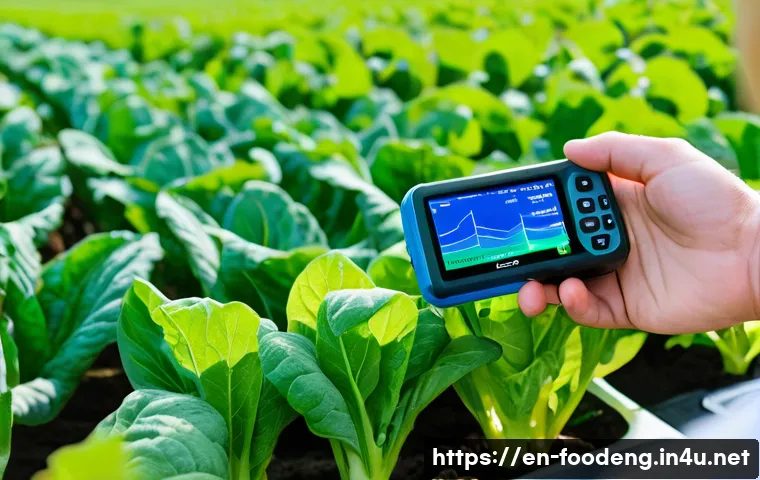
Portable spectrometers allow farmers, retailers, and consumers to analyze food contaminants on-site without laboratory support. These devices use light absorption and scattering to identify chemical signatures of pesticides and heavy metals.
I personally tried a handheld spectrometer for testing leafy greens and was impressed by the instant results and ease of use. The growing availability of affordable spectroscopy tools empowers everyone to take food safety into their own hands.
AI-Powered Contaminant Prediction Models
Artificial intelligence algorithms are increasingly used to predict contamination risks based on environmental, agricultural, and processing data. These models analyze complex patterns to forecast where and when harmful residues are likely to occur.
While not a direct removal method, AI enhances preventive strategies, allowing stakeholders to intervene early. I’ve read about farms using AI insights to adjust pesticide application schedules, minimizing residue levels on harvested crops.
This proactive approach complements physical detoxification techniques for a holistic food safety system.
Water Treatment Innovations for Food Safety
Reverse Osmosis Filtration
Reverse osmosis (RO) is a highly effective filtration method that removes dissolved contaminants, including heavy metals and pesticides, from water used in food processing.
Many commercial facilities rely on RO systems to ensure wash water is pure and safe. I’ve installed an RO unit at home and noticed a significant improvement in the taste and safety of produce washed with filtered water.
While RO requires energy and maintenance, its ability to provide consistent water quality makes it invaluable for food safety.
UV Disinfection Systems
Ultraviolet light disinfection kills microorganisms in water without introducing chemicals, preserving the purity of wash water in food processing. UV systems are compact, cost-effective, and simple to operate, making them popular in both industrial and residential settings.
I recall visiting a local farm that used UV-treated water for rinsing vegetables, which reduced spoilage and microbial contamination. UV disinfection is a clean technology that fits well with organic and sustainable food production.
Biological Water Treatment
Biological treatment methods use beneficial microbes to break down organic pollutants and toxins in water used for food washing. This natural process reduces reliance on chemical disinfectants and enhances environmental sustainability.
I’ve encountered farms that implement biofilters in irrigation and washing systems, observing healthier crops and reduced chemical residues. Though slower than chemical treatments, biological methods offer an eco-friendly complement to conventional water purification techniques.
Summary of Key Detoxification Methods
| Method | Primary Target | Advantages | Limitations |
|---|---|---|---|
| Enzymatic Washing | Pesticide residues | Natural, preserves produce quality | Cost and availability of enzymes |
| Ozone Treatment | Microbial pathogens, chemicals | No harmful residues, penetrates surfaces | Requires precise control, potential damage |
| Activated Carbon Filters | Volatile organic compounds | Effective adsorption, scalable | Not comprehensive for all toxins |
| Ultrasound Cleaning | Surface contaminants | Non-damaging, deep cleaning | Equipment cost, limited home use |
| Cold Plasma | Bacteria, viruses, chemical residues | Non-thermal, effective sterilization | Emerging technology, cost |
| Reverse Osmosis | Dissolved chemicals in water | Highly effective, reliable | Energy intensive, maintenance |
| UV Disinfection | Microbial contaminants in water | Chemical-free, easy to use | Limited to water, no chemical removal |
Emerging Trends in Consumer-Level Detox Solutions
Home Detox Kits
Recently, home detox kits have become more sophisticated, combining multiple methods like enzymatic sprays, activated carbon filters, and ultrasonic cleaners.
I tried one such kit, and it made washing fruits and vegetables feel more thorough and reassuring. These kits are designed for convenience and safety, catering to health-conscious consumers who want to take food safety into their own hands without professional equipment.
As awareness grows, we can expect more affordable and user-friendly options on the market.
Smart Kitchen Appliances
Innovative kitchen appliances now feature integrated contaminant removal technologies, such as ozone generators and UV sterilizers built into refrigerators or washing stations.
I’ve seen smart fridges that can monitor the freshness and cleanliness of stored produce, alerting users when detoxification is needed. These appliances combine food safety with convenience, making contaminant removal a seamless part of everyday cooking routines.
Educational Platforms and Apps
To complement physical detoxification tools, digital platforms and apps provide guidance on best practices for food safety and contaminant reduction. Many apps offer personalized tips based on the types of produce, local contamination risks, and available detox methods.
I use one app that suggests optimal washing techniques and tracks produce safety ratings. Empowering consumers through knowledge is just as important as technological advances in protecting our food.
Conclusion
Reducing chemical residues in produce is becoming more achievable through innovative and natural methods that prioritize safety and quality. From enzymatic washing to smart sensors, these approaches offer practical solutions for both consumers and the food industry. As technology advances, we can expect even more effective and accessible ways to enjoy cleaner, healthier fruits and vegetables every day.
Useful Information to Keep in Mind
1. Combining multiple detox methods, such as soaking and enzymatic washing, can enhance residue removal effectiveness.
2. Technologies like ozone treatment and cold plasma provide powerful sterilization without compromising produce quality.
3. Home-use devices like portable spectrometers and ultrasonic cleaners are becoming affordable tools for everyday food safety.
4. Smart kitchen appliances with integrated detox features simplify the process of keeping produce clean and fresh.
5. Educational apps and platforms empower consumers with personalized tips to minimize contamination risks effectively.
Key Takeaways
Innovative detoxification methods are transforming how chemical residues are reduced in fresh produce by combining natural, physical, and technological solutions. Consumers benefit from increased safety, improved taste, and longer shelf life without relying on harsh chemicals. While some methods require investment or specialized equipment, many accessible options exist for everyday use. Staying informed and adopting a mix of traditional and advanced techniques will ensure the best results in maintaining produce quality and health.
Frequently Asked Questions (FAQ) 📖
Q: What are the most effective methods to remove pesticides from fruits and vegetables?
A: Based on my experience and recent research, thoroughly washing produce under running water is the simplest and often surprisingly effective first step.
For tougher residues, soaking in a solution of baking soda and water for about 15 minutes can help break down pesticide residues more efficiently. Some advanced home devices use ozone or UV light for deeper detoxification, but these are less common.
Remember, peeling can reduce pesticides too, but it might also strip away valuable nutrients, so balancing safety with nutrition is key.
Q: How can heavy metals be eliminated or reduced in food?
A: Heavy metals like lead or mercury are tricky because they accumulate in the soil and water, making their way into crops and seafood. One practical approach I’ve found helpful is sourcing food from trusted suppliers who test their products regularly.
Certain natural treatments, such as activated charcoal and specific clay minerals, are being explored for their ability to bind heavy metals, but these are mostly used in industrial or processing settings rather than at home.
Cooking methods like boiling can reduce some heavy metals in vegetables, but it’s not a complete solution. So, being mindful about where your food comes from is crucial.
Q: Are there any natural or chemical treatments available for removing contaminants that are safe for everyday use?
A: Yes, there are several natural options that are both safe and accessible. Vinegar washes and baking soda baths are popular and effective for many surface contaminants.
Some cutting-edge chemical treatments, like certain food-grade enzymes, are emerging but still require more research for everyday home use. Personally, I prefer combining natural methods with buying organic or locally grown foods to minimize exposure.
It’s important to avoid harsh chemicals at home, as they can leave residues themselves, so sticking to gentle, proven options is best for daily practice.