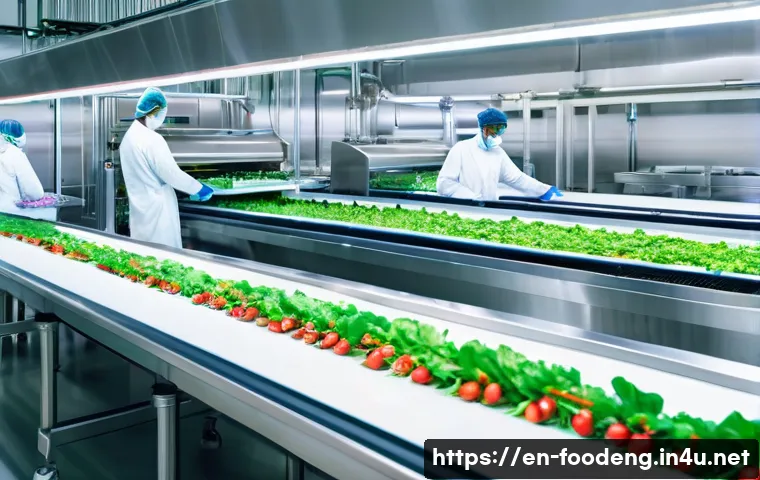
Food hydrolysis reactions play a crucial role in breaking down complex molecules into simpler, more digestible forms. This process not only enhances flavor and texture but also improves nutrient absorption, making our meals more satisfying and beneficial.
From tenderizing meats to developing rich sauces, hydrolysis is behind many culinary transformations we enjoy daily. Understanding these reactions can unlock new cooking techniques and inspire healthier eating habits.
Let’s dive into the fascinating world of food hydrolysis and uncover its secrets together!
How Hydrolysis Transforms Proteins in Cooking
Breaking Down Meat Fibers for Tenderness
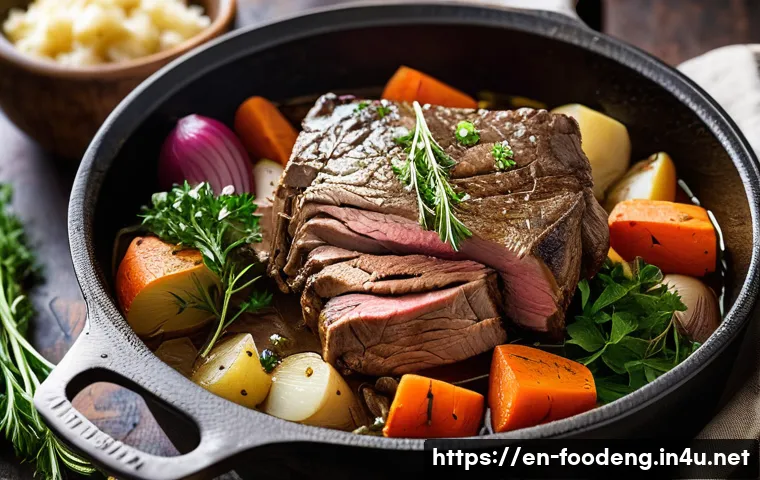
When you cook a tough cut of meat low and slow, hydrolysis is quietly working behind the scenes. Proteins like collagen and myosin are broken down by water and heat into smaller peptides and amino acids.
This softens the meat’s texture, turning something that might have been chewy into a melt-in-your-mouth experience. From my own kitchen experiments, slow braising or sous vide cooking really showcases this effect, where hours of gentle heat and moisture transform tough cuts into tender delights.
Enzymatic Hydrolysis in Cheese and Yogurt
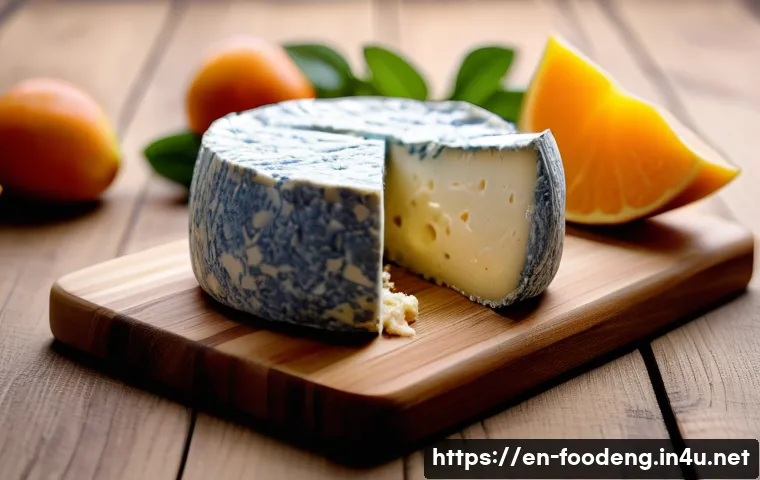
Hydrolysis isn’t just about heat—enzymes play a starring role too, especially in fermented dairy products. Enzymes like proteases break down milk proteins into peptides and free amino acids, which contribute to the complex flavors and creamy textures we associate with aged cheeses and yogurts.
I’ve noticed that the longer the aging, the more intense and savory the taste, thanks largely to these enzymatic reactions breaking down proteins into flavorful fragments.
Impact on Meat Marination
Marinating meat often involves acidic ingredients or enzymes that promote hydrolysis before cooking even begins. Acids like lemon juice or vinegar partially hydrolyze proteins, starting the tenderizing process early.
Additionally, natural enzymes found in ingredients like pineapple or papaya further break down proteins. I’ve found that marinating overnight not only tenderizes the meat but also infuses it with flavor, making each bite juicier and more satisfying.
Carbohydrate Hydrolysis and Its Role in Baking
Starch Breakdown During Dough Fermentation
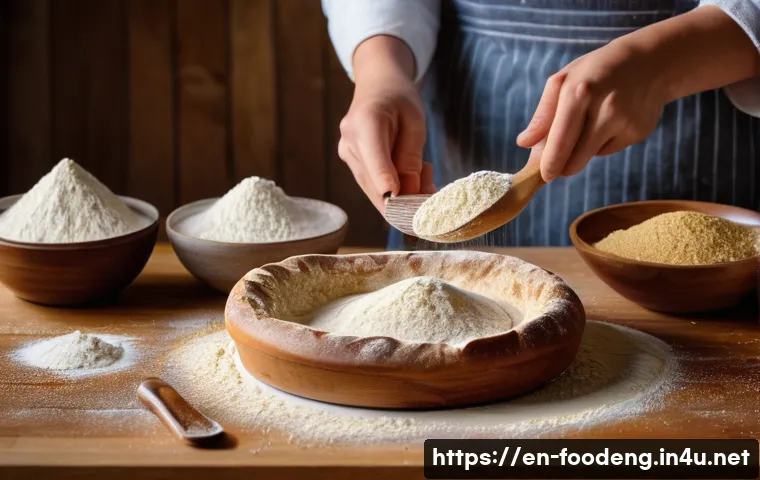
In bread-making, starch hydrolysis is key to creating that perfect crumb and crust. Yeast and enzymes such as amylase convert starches into simpler sugars, which fuel fermentation and CO2 production.
This process helps dough rise and develop flavor. When I bake sourdough, the balance of enzyme activity and fermentation time dramatically affects the bread’s texture and taste, proving how crucial carbohydrate hydrolysis is.
Sweetness Development in Baking
As starches hydrolyze into sugars, they contribute not just to rising but also to sweetness and browning through the Maillard reaction. This natural sweetness enhances flavor complexity without adding extra sugar.
From my experience, allowing dough to ferment longer before baking intensifies this sweetness and creates a richer crust color that’s incredibly appealing.
Hydrolysis in Gluten Formation
Hydrolysis also subtly affects gluten proteins, influencing dough elasticity and chewiness. Partial breakdown of gluten during fermentation can make dough more extensible and easier to shape.
I’ve noticed that controlling fermentation time lets me fine-tune the balance between chewiness and softness in my homemade breads, showcasing hydrolysis’s role beyond just starch conversion.
Fat Hydrolysis and Flavor Release
Lipase Enzymes Enhancing Dairy and Meat Flavors
Fat hydrolysis, primarily driven by lipase enzymes, releases free fatty acids that contribute to flavor development in cheeses, cured meats, and fermented products.
These free fatty acids give products their characteristic sharpness and depth. In my experience tasting aged cheeses, the complexity and pungency are directly linked to the extent of fat hydrolysis during ripening.
Hydrolysis in Cooking Oils and Sauces
When preparing rich sauces or frying, hydrolysis can subtly alter fat molecules, affecting texture and mouthfeel. For example, slow simmering of butter in sauces promotes slight hydrolysis, enriching the sauce’s creaminess.
I’ve found that controlling temperature and cooking time can prevent unwanted rancidity while maximizing the desirable flavor compounds released through fat breakdown.
Fat Hydrolysis Impact on Food Shelf Life
While hydrolysis enhances flavor, excessive fat breakdown can cause rancidity, negatively impacting shelf life and taste. This is why controlling enzyme activity and storage conditions is essential in food production.
In my kitchen, I store oils and fats properly to prevent off-flavors, ensuring hydrolysis works to my advantage rather than detracting from quality.
Enzymatic Hydrolysis in Plant-Based Foods
Softening Fruits and Vegetables
Enzymatic hydrolysis plays a vital role in softening plant tissues during cooking or ripening. Pectinases and cellulases break down structural carbohydrates like pectin and cellulose, making fruits and vegetables tender and palatable.
I’ve observed how cooking tomatoes or ripe peaches results in a naturally softer texture due to these enzymatic activities, enhancing their appeal in dishes.
Flavor Enhancement Through Hydrolysis
Breaking down complex carbohydrates and proteins in plants releases sugars and amino acids that boost flavor. Hydrolysis during ripening or cooking intensifies natural sweetness and umami notes.
From my own meals, slow-cooked vegetables often taste richer and more flavorful because hydrolysis has unlocked these compounds, elevating the overall dish.
Plant-Based Protein Hydrolysis for Better Nutrition
Hydrolysis can improve the digestibility of plant proteins by breaking them into smaller peptides and amino acids. This is especially important in plant-based diets where protein bioavailability is crucial.
I’ve tried hydrolyzed plant protein supplements and noticed they are easier on my stomach and absorb faster, highlighting hydrolysis’s nutritional benefits.
Hydrolysis in Sugar Production and Caramelization
Converting Complex Sugars into Simple Sugars
In sugar production, hydrolysis breaks down complex carbohydrates like sucrose or starch into simpler sugars such as glucose and fructose. This process is essential for creating syrups and sweeteners used widely in cooking and baking.
When I make homemade syrups or candy, controlling hydrolysis is key to achieving the right sweetness and consistency.
Role in Caramelization and Flavor Depth
Hydrolyzed sugars caramelize more readily, contributing to the rich browning and complex flavors in desserts and sauces. I’ve found that starting with partially hydrolyzed sugars leads to faster caramelization and a deeper, more nuanced flavor profile in my caramel sauces and baked goods.
Hydrolysis and Sugar Substitutes
Some sugar substitutes rely on hydrolysis to release sweet components gradually, offering alternative sweetness profiles. For example, isomaltooligosaccharides are partially hydrolyzed to provide prebiotic benefits alongside sweetness.
Personally, using these substitutes in baking has allowed me to reduce sugar intake without sacrificing flavor.
Impact of Hydrolysis on Food Preservation Techniques
Fermentation and Hydrolysis Synergy
Fermentation relies heavily on hydrolysis to break down food components, enabling beneficial microbes to thrive. This synergy results in preserved foods with enhanced flavors and textures.
I’ve noticed that homemade kimchi or sauerkraut benefits from hydrolysis during fermentation, producing tangy, flavorful results that last longer.
Hydrolysis in Canning and Pickling
During canning or pickling, mild hydrolysis can alter textures and flavors, helping create the desired balance of crispness and tang. For example, acid hydrolysis softens vegetables slightly while preserving them.
In my experience, mastering this balance ensures pickled foods remain tasty and enjoyable over time.
Enzymatic Control for Shelf Life Extension
Managing enzymatic hydrolysis is crucial to prevent spoilage and maintain food quality. In commercial food production, inhibitors or temperature control are used to slow hydrolysis and extend shelf life.
When I preserve foods at home, I use refrigeration and acidification to keep hydrolysis in check and avoid spoilage.
Summary Table of Hydrolysis Effects in Food
| Food Component | Type of Hydrolysis | Effect on Food | Common Culinary Application |
|---|---|---|---|
| Proteins | Enzymatic and Thermal | Tenderizes meat, develops flavors in cheese | Braising, cheese aging, marination |
| Carbohydrates | Enzymatic (amylase) | Sweetness development, dough rising | Bread making, fermentation |
| Fats | Enzymatic (lipase) | Flavor enhancement, texture modification | Cheese ripening, sauce preparation |
| Plant Fibers | Enzymatic (pectinase, cellulase) | Softening texture, flavor release | Cooking vegetables, fruit ripening |
| Sugars | Acid and enzymatic | Conversion to simpler sugars, caramelization | Syrup making, candy production |
Practical Tips to Harness Hydrolysis in Everyday Cooking
Timing and Temperature Control
One of the biggest lessons I’ve learned is that hydrolysis is highly sensitive to time and temperature. For example, slow cooking meats at low temperatures maximizes tenderness without drying them out.
Similarly, controlling fermentation times in bread or yogurt affects texture and flavor development. Paying attention to these variables lets you use hydrolysis to your advantage, creating better dishes with less guesswork.
Choosing Ingredients That Promote Hydrolysis
Certain ingredients naturally encourage hydrolysis—acids, enzymes, and moisture-rich foods are prime examples. Adding pineapple juice to a marinade or using aged cheeses with active enzymes can boost hydrolysis-driven transformations.
I often experiment by swapping in different natural enzyme sources to tweak texture and flavor, and the results can be surprisingly rewarding.
Balancing Hydrolysis for Optimal Flavor and Texture
While hydrolysis unlocks amazing culinary benefits, too much can spoil texture or flavor. For instance, over-marinating meat may result in mushy textures, and excessive fermentation can produce off-flavors.
From trial and error, I’ve found that balancing hydrolysis involves careful timing and ingredient ratios—skills that improve with practice but pay off with every delicious meal.
Conclusion
Hydrolysis plays a crucial role in transforming ingredients during cooking, enhancing texture, flavor, and nutrition. Understanding how proteins, carbohydrates, fats, and plant fibers break down can help you master various culinary techniques. By controlling time, temperature, and ingredients, you can unlock the full potential of hydrolysis in your kitchen. It’s a subtle science that, when harnessed well, turns everyday meals into exceptional experiences.
Useful Information to Remember
1. Hydrolysis softens tough proteins in meats, making them tender through slow cooking and marination.
2. Enzymatic hydrolysis in dairy products like cheese and yogurt intensifies flavor and improves texture over time.
3. Carbohydrate hydrolysis fuels fermentation in bread, enhancing rise, sweetness, and crust development.
4. Fat hydrolysis releases flavorful compounds but must be managed to prevent rancidity and extend shelf life.
5. Enzymatic breakdown in plant-based foods softens texture and boosts natural sweetness and nutrient availability.
Key Takeaways
Hydrolysis is a natural and essential process that influences the quality and flavor of many foods. Successful cooking involves balancing hydrolysis by carefully adjusting heat, time, and ingredient choices to avoid over-processing. Embracing this knowledge empowers home cooks and professionals alike to create tastier, more nutritious dishes while optimizing texture and shelf life. Proper management of hydrolysis is the secret behind many culinary classics and innovative recipes.
Frequently Asked Questions (FAQ) 📖
Q: What exactly is food hydrolysis and how does it work in cooking?
A: Food hydrolysis is a chemical reaction where water breaks down complex molecules like proteins, fats, and carbohydrates into simpler components. In cooking, this means tough proteins in meat can be broken down into tender, juicy bites, and starches can be converted into sugars that enhance sweetness.
For example, when you marinate meat with acidic ingredients or cook it slowly in moist heat, hydrolysis helps soften the texture and intensify flavors.
It’s like nature’s way of making food easier to digest and more enjoyable.
Q: How does hydrolysis improve nutrient absorption in our bodies?
A: When food undergoes hydrolysis during cooking or digestion, complex molecules are split into smaller, more accessible nutrients. This breakdown allows enzymes in our digestive system to more easily absorb vitamins, minerals, and amino acids.
For instance, hydrolyzing proteins into amino acids means your body doesn’t have to work as hard to extract the building blocks it needs. From personal experience, I’ve noticed that meals cooked with slow hydrolysis processes, like braising or fermenting, often leave me feeling more energized and satisfied, likely because my body is absorbing nutrients more efficiently.
Q: Can understanding hydrolysis help me cook better or make healthier food choices?
A: Absolutely! Knowing how hydrolysis works can transform your cooking approach. For example, you might choose to marinate meats longer to allow natural enzymes and acids to tenderize the protein, or use fermentation to develop complex flavors and enhance digestibility.
It also encourages incorporating cooking methods that promote gentle hydrolysis, like slow cooking or using moisture, which can preserve nutrients better than high-heat, dry methods.
Personally, once I started experimenting with hydrolysis principles, my dishes became tastier and easier to digest, and I felt more confident making healthier food choices that support my digestion and overall wellness.