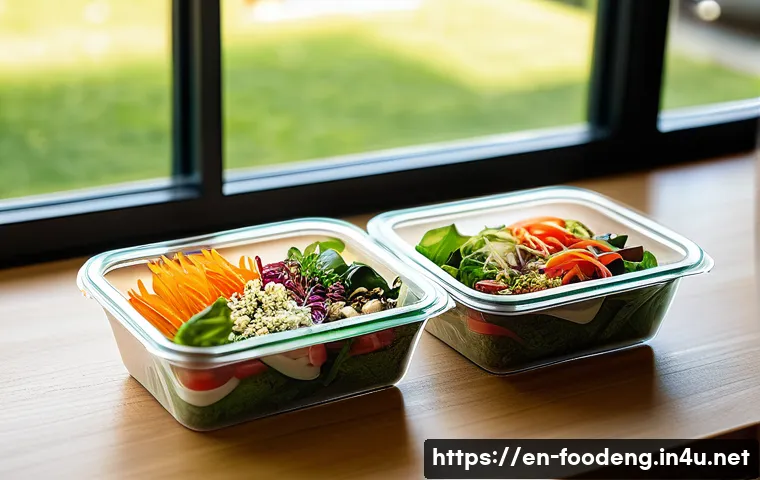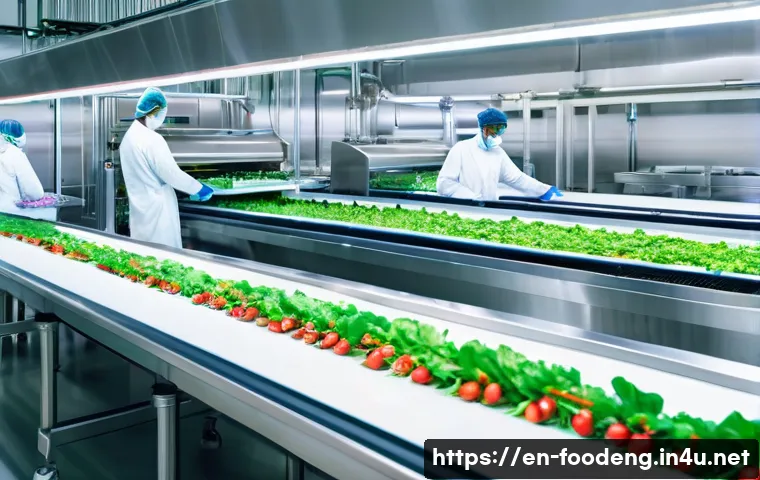
Food chemistry is the fascinating science that explores the molecular makeup and interactions of the ingredients we use every day. Understanding these chemical processes helps us grasp why food behaves the way it does during cooking, storage, and digestion.
From the browning of bread to the preservation of freshness, food chemistry unlocks the secrets behind flavor, texture, and safety. Whether you’re a curious home cook or a budding food scientist, diving into this topic reveals the magic hidden in your meals.
Let’s dive deeper and uncover the essentials of food chemistry together!
The Chemistry Behind Cooking Transformations
How Heat Changes Food Molecules
When you cook, heat triggers a cascade of chemical changes that completely transform raw ingredients into delicious meals. Proteins denature, meaning their complex structures unravel and then re-form in new ways.
This is why an egg white turns from clear and runny to firm and opaque. Meanwhile, starches absorb water and swell, softening the texture of vegetables and grains.
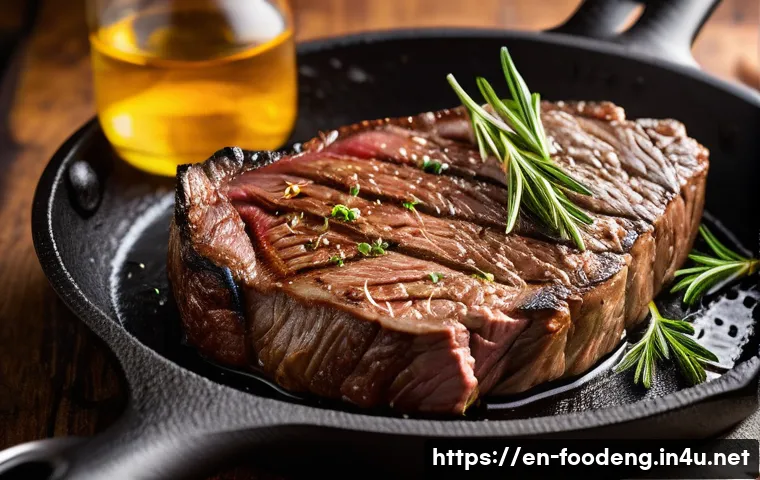
The Maillard reaction, a complex interaction between amino acids and sugars, produces that irresistible browned crust on grilled meat or toasted bread.
I remember the first time I nailed a seared steak; understanding that perfect sear comes from Maillard chemistry made me appreciate the science behind the flavor explosion.
Why Acidity and pH Matter in Recipes
Acidity isn’t just about taste; it profoundly affects food texture and preservation. For example, adding lemon juice to avocado slows browning by lowering the pH and inhibiting enzymes responsible for oxidation.
In baking, the balance between acidic and alkaline ingredients controls leavening, influencing how fluffy or dense a cake turns out. I once experimented with swapping buttermilk for yogurt in pancakes and noticed a subtle difference in rise and tenderness, thanks to their varying acidity.
This delicate balance in pH can also impact color retention in fruits and vegetables during cooking.
The Role of Water in Food Chemistry
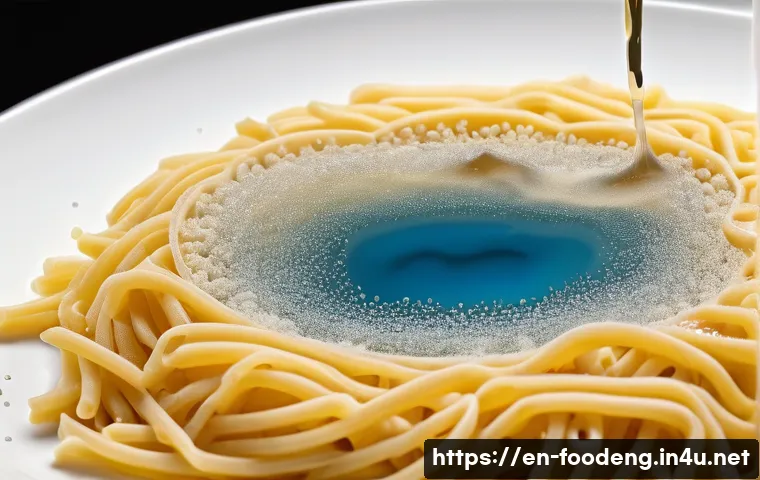
Water acts as the medium where most chemical reactions in food happen. It affects texture, shelf life, and how ingredients interact. When you boil pasta, water penetrates the starch granules causing them to swell and soften, but too much water can make the pasta mushy.
In freezing, water forms ice crystals that can damage cell structures, which is why frozen fruits sometimes lose their firmness. From my experience, controlling moisture levels—like patting meat dry before searing—can dramatically improve the final taste and texture by promoting better browning and reducing unwanted steam.
Unlocking Flavor: The Science of Taste and Aroma
Understanding Flavor Molecules
Flavor is a symphony of taste and aroma molecules interacting with our senses. Taste buds detect basic tastes like sweet, sour, salty, bitter, and umami, but aroma compounds add complexity and depth.
For example, the smell of freshly baked bread comes from volatile compounds produced during fermentation and Maillard reactions. I once tried making my own sourdough, and the unique tangy flavor was a direct result of organic acids and esters created by wild yeast and bacteria.
These molecules are often delicate and can be lost during cooking or storage, which is why fresh ingredients usually taste better.
How Spices and Herbs Enhance Chemical Interactions
Spices and herbs contain essential oils and phenolic compounds that don’t just add flavor—they can influence food chemistry itself. For instance, antioxidants in rosemary can slow the oxidation of fats, preventing rancidity in meat.
Capsaicin in chili peppers triggers heat receptors, altering our perception of flavor and sometimes even increasing saliva production, which can enhance taste sensitivity.
I remember adding fresh basil to tomato sauce at the end of cooking to preserve its bright, herbal aroma, which would otherwise dissipate with prolonged heat.
Flavor Pairing Through Chemistry
Some flavor combinations work magic because their molecules share similar chemical structures or complement each other’s sensory effects. Classic pairs like chocolate and coffee or tomato and basil have been scientifically studied for their shared volatile compounds.
I experimented with pairing unexpected ingredients like blue cheese and pear, discovering that the contrast between pungent and sweet creates a balanced flavor profile that’s both surprising and delightful.
This knowledge can help home cooks create unique dishes that feel gourmet without complicated techniques.
The Science of Texture: Why Food Feels the Way It Does
Protein Networks and Gel Formation
Texture often hinges on how proteins behave under different conditions. When you whisk egg whites or cook gelatin, proteins unfold and link together to form networks that trap water, creating foam or gels.
This is what gives mousse its airy lightness or jelly its firm yet yielding structure. I’ve made homemade panna cotta and learned that precise temperature control is key to achieving that silky smooth texture without it becoming rubbery.
These protein interactions also explain why overcooked meat becomes tough as the protein strands contract excessively.
The Role of Fats in Mouthfeel
Fats contribute richness and creaminess, affecting how food feels on your tongue. They coat taste buds, slow digestion, and carry fat-soluble flavor compounds, enhancing overall sensory pleasure.
Butter melting on warm bread creates a luscious mouthfeel that’s hard to beat. From personal experience, substituting oils with butter or cream in sauces significantly changes not just flavor but how the sauce clings to food.
The physical state of fat—solid or liquid—also impacts texture, as seen in flaky pastries versus creamy dressings.
Carbohydrates and Their Structural Impact
Carbohydrates like starches and fibers influence texture by absorbing water and forming gels or contributing to crispness. For example, when frying potatoes, the outer starch layer dehydrates and crisps up, while the inside remains fluffy.
Dietary fibers add bulk and can affect chewiness or juiciness in fruits and vegetables. I noticed that using different types of flour alters bread crumb structure, which is all down to how their carbohydrate components behave during fermentation and baking.
Preservation Techniques Through a Chemical Lens
How Salt and Sugar Halt Spoilage
Salt and sugar have long been used as natural preservatives by creating environments hostile to microbial growth. Salt draws water out of cells by osmosis, dehydrating bacteria and fungi, while sugar binds water molecules, reducing availability for spoilage organisms.
I’ve cured my own bacon and found that precise salt levels are critical—not just for flavor but for safety. These substances also influence chemical reactions like enzymatic browning, which can be desirable or undesirable depending on the food.
The Science Behind Refrigeration and Freezing
Lowering temperature slows down enzymatic activity and microbial growth, extending food shelf life. However, freezing introduces ice crystals that can rupture cell walls, altering texture upon thawing.
Flash freezing minimizes crystal size, preserving quality better. From what I’ve observed, freezing fresh herbs like parsley changes their texture drastically, but freezing cooked soups retains flavor and mouthfeel surprisingly well.
Understanding these effects helps in planning meal prep and storage effectively.
Role of Acidity and Additives in Food Safety
Acidic environments inhibit harmful bacteria, which is why pickling is such a reliable preservation method. Additives like antioxidants and preservatives further protect food from spoilage and oxidation.
While some additives get a bad rap, many are safe and effective at maintaining freshness. I once experimented with natural preservatives like vinegar and lemon juice in homemade salad dressings and noticed a marked difference in how long they stayed fresh compared to those without acid.
Essential Nutrients and Their Stability
Vitamins and How Cooking Affects Them
Many vitamins are sensitive to heat, light, and oxygen, which can degrade their nutritional value during cooking or storage. Vitamin C, for example, is water-soluble and heat-sensitive, so boiling vegetables can cause significant losses.
Fat-soluble vitamins like A and E are more stable but can be lost if fats are removed. Through trial and error, I found that steaming vegetables preserves nutrients better than boiling, which aligns with what food chemists recommend.
Minerals and Their Interaction with Other Compounds
Minerals like calcium, iron, and magnesium often interact with other food components, affecting absorption and bioavailability. For instance, phytates in grains can bind minerals, reducing their uptake in the body.
Combining vitamin C-rich foods with iron sources enhances absorption, a trick I use when making spinach salads with citrus dressing. Knowing these interactions can help maximize the nutritional benefits of meals.
Proteins and Amino Acid Availability
Protein quality depends on the presence of essential amino acids and how cooking affects them. Overcooking can cause amino acid loss or formation of harmful compounds, while gentle cooking preserves nutritional value.
I’ve learned that slow-cooked stews maintain protein integrity better than high-heat grilling, which can sometimes char proteins and create undesirable chemicals.
Balancing cooking methods is key to optimizing both flavor and nutrition.
Common Chemical Reactions Affecting Food Quality
Enzymatic Browning and Its Control
Enzymatic browning occurs when polyphenol oxidase enzymes react with oxygen, causing fruits like apples and bananas to turn brown. While it can be visually unappealing, it doesn’t always affect safety.
Using lemon juice or blanching are common ways to slow this process. I once prepped apple slices for a party and dipped them in citrus juice, noticing how it kept them looking fresh much longer than untreated slices.
Oxidation and Rancidity in Fats
Exposure to air causes fats to oxidize, leading to off-flavors and spoilage. Antioxidants, whether natural like vitamin E or added as preservatives, help prevent this.
I noticed that nuts stored improperly develop a bitter, rancid taste quickly, but sealing them tightly in a cool place slows oxidation. Understanding how fats degrade helps in choosing proper storage and shelf life.
Fermentation and Its Benefits
Fermentation is a metabolic process where microorganisms convert sugars into acids, gases, or alcohol, enhancing flavor, texture, and preservation. Foods like yogurt, kimchi, and sourdough bread owe their unique qualities to fermentation.
I started fermenting vegetables at home and was amazed by the complex tang and probiotic benefits that developed over time. This ancient chemical process remains a cornerstone of food science and culinary tradition.
| Chemical Process | Effect on Food | Common Examples | Impact on Flavor/Texture |
|---|---|---|---|
| Maillard Reaction | Browning via amino acids and sugars | Grilled steak, toasted bread | Rich, savory flavors; crispy crusts |
| Denaturation | Protein unfolding and re-linking | Cooked eggs, seared meat | Firm texture; changes in color |
| Enzymatic Browning | Oxidation of phenolic compounds | Cut apples, potatoes | Brown discoloration; slight flavor change |
| Fermentation | Microbial conversion of sugars | Yogurt, kimchi, sourdough | Tangy flavor; softer texture; preservation |
| Oxidation of Fats | Fat degradation by oxygen | Rancid nuts, stale oils | Off-flavors; unpleasant aromas |
Innovations and Future Trends in Food Chemistry
Plant-Based Proteins and Molecular Mimicry
The rise of plant-based diets has pushed food chemists to replicate meat’s texture and flavor using proteins from peas, soy, and other sources. These innovations involve manipulating protein structures and adding flavor compounds to create satisfying alternatives.
I tasted one of these products recently and was impressed by how close it came to real beef, thanks to careful control of chemical and physical properties.
Encapsulation and Controlled Release of Flavors
Encapsulation technology allows flavors and nutrients to be protected and released at specific times during cooking or digestion. This improves shelf life and enhances sensory experiences.
From my own cooking experiments, using encapsulated spices in sauces made the flavors pop more intensely when heated, offering a more dynamic taste journey.
Reducing Food Waste Through Chemistry
Advances in food chemistry are helping extend freshness and reduce waste by improving packaging, developing natural preservatives, and optimizing storage conditions.
I find it rewarding to apply these tips at home, like storing herbs in slightly damp paper towels to keep them fresh longer. These small chemical insights make a big difference in sustainability and cost savings.
In Conclusion
Understanding the chemistry behind cooking transforms the way we appreciate food. From heat-induced molecular changes to flavor interactions and preservation techniques, science plays a vital role in every bite. By applying these insights, both home cooks and professionals can elevate their dishes with confidence and creativity. Embracing food chemistry unlocks endless culinary possibilities.
Useful Information to Remember
1. Heat causes proteins to denature and starches to gelatinize, changing texture and flavor dramatically during cooking.
2. Acidity and pH influence not only taste but also texture, color retention, and preservation in many recipes.
3. Water is essential for chemical reactions in food, affecting texture and how ingredients interact; controlling moisture is key.
4. Flavor molecules and their interactions with spices and herbs create complex taste experiences that can be enhanced through chemistry.
5. Preservation methods like salting, acidifying, refrigeration, and fermentation rely on chemical principles to keep food safe and tasty.
Key Takeaways
Food chemistry is the foundation of cooking transformations, impacting texture, flavor, and nutrition. Mastering the balance of heat, moisture, acidity, and ingredient interactions leads to better results in both everyday meals and gourmet creations. Awareness of preservation and nutrient stability helps reduce waste and maintain food quality. Ultimately, combining scientific knowledge with practical experience empowers cooks to innovate and enjoy food on a deeper level.
Frequently Asked Questions (FAQ) 📖
Q: What exactly does food chemistry study and why is it important for cooking?
A: Food chemistry focuses on the molecules and chemical reactions that occur within food. It helps explain why certain ingredients behave the way they do when heated, mixed, or stored.
For example, understanding the Maillard reaction explains why bread browns and develops flavor when toasted. Knowing these chemical processes empowers cooks to improve texture, flavor, and even food safety, making everyday cooking more predictable and enjoyable.
Q: How does food chemistry affect the preservation and freshness of food?
A: Food chemistry plays a critical role in how food stays fresh or spoils. Chemical reactions involving enzymes, oxidation, and microbial activity determine the shelf life of food.
By controlling these reactions through methods like refrigeration, pH adjustment, or adding antioxidants, we can slow down spoilage and maintain quality.
Personally, I’ve noticed how quickly fruit browns without refrigeration due to enzymatic browning, but keeping it cool significantly extends freshness.
Q: Can understanding food chemistry help improve flavor and texture in homemade dishes?
A: Absolutely! When you grasp how ingredients interact on a molecular level, you can manipulate cooking methods to enhance both flavor and texture. For instance, knowing how proteins denature and coagulate helps you perfect the tenderness of meat or the fluffiness of baked goods.
From my own kitchen experiments, adjusting acid levels or cooking times based on food chemistry insights has led to tastier, more consistent results every time.