Fermented foods are made by bacteria, yeasts, or selected molds, but the right method depends on the food and how much control you need. Simple vegetable ferments can often begin with basic tools, while yogurt, kombucha, tempeh, cheese, and cured foods may benefit from starter cultures or closer temperature management.
A commercial starter culture is useful when you want a more predictable result across repeated batches. Equipment choices should follow the recipe: a digital scale is broadly useful, while a pH meter only makes sense when acidity verification is relevant.
Good sanitation, measured ingredients, appropriate temperature, and limiting unwanted oxygen exposure all matter. Fermentation can improve flavor and preservation characteristics, but it does not make every method equally safe.
At a Glance
- Lactic acid bacteria are central to foods such as yogurt, sauerkraut, kimchi-style vegetables, pickles, and some cheeses.
- Starter cultures offer more predictable fermentation when repeatable flavor, texture, or timing matters.
- Measure salt, manage temperature, use clean tools, and follow recipe-specific guidance rather than judging safety from appearance alone.
| Fermentation Type | Key Microbe | Control Level | Recommended Equipment | Recurring Ingredient Cost | Beginner Suitability |
|---|---|---|---|---|---|
| Vegetable ferments | Lactic acid bacteria | Basic to moderate | Jar, weight, digital scale | Low | Good first project |
| Yogurt and kefir | Lactic acid bacteria | Moderate | Clean container, thermometer, optional starter culture | Ongoing culture or ingredient cost | Suitable with temperature attention |
| Sourdough, bread, beer, wine | Yeasts | Moderate | Clean vessel, scale, recipe-specific tools | Varies by batch | Depends on the recipe |
| Kombucha | Yeasts and bacteria | Moderate to higher | Suitable vessel, clean tools, temperature awareness | Ongoing ingredients and culture | Best with clear instructions |
| Tempeh, miso, soy sauce, selected cheeses | Intentional mold cultures | Higher | Starter culture and controlled setup | Culture-dependent | Better after basic experience |
What Microbes Actually Do in Fermented Foods
Bacteria, Yeasts, and Molds Have Different Roles
Fermentation is not one single process. Lactic acid bacteria commonly transform foods by producing lactic acid. They are associated with yogurt, sauerkraut, kimchi-style vegetables, pickles, and some cheeses. Their activity can shift flavor and help create a more acidic environment.
Yeasts use sugars and can produce carbon dioxide and alcohol. That is why they are important in bread, beer, wine, kombucha, and other fermented foods. Carbon dioxide can affect rise, bubbles, and texture, while alcohol production is part of some fermentation styles.
Selected molds also have an intentional place in food production. Tempeh, miso, soy sauce, and some cheeses may use specific mold cultures. These projects are not simply interchangeable with jar-based vegetable fermentation, so the culture and method should match the food.
Why Acidity, Gas, Flavor, and Texture Change
Microbial activity changes the ingredients over time. Acidity may increase when lactic acid bacteria are active. Yeasts may produce gas, and selected mold cultures can contribute to distinctive changes in flavor and texture. The final result is influenced by salt concentration, temperature, oxygen exposure, sanitation, and acidity.
Acidification can help inhibit many unwanted microbes, but it is not a universal safety guarantee. Different foods, containers, climates, and recipes require different controls. A batch cannot be confirmed safe based only on a photo, smell, or general online comparison.
Three-Line Summary for Safe Beginner Decisions
Choose a simple vegetable fermentation when you want a low-cost project with measured salt and clean equipment. Choose a commercial starter culture when dependable fermentation is more important than experimenting with naturally occurring microbes. Choose more control for yogurt, kombucha, tempeh, cheese, and cured foods, where temperature or culture selection can matter more.
Comparing Common Fermentation Methods and Their Control Needs
Vegetable Ferments, Yogurt, Kefir, Sourdough, Kombucha, Tempeh, and Cheese
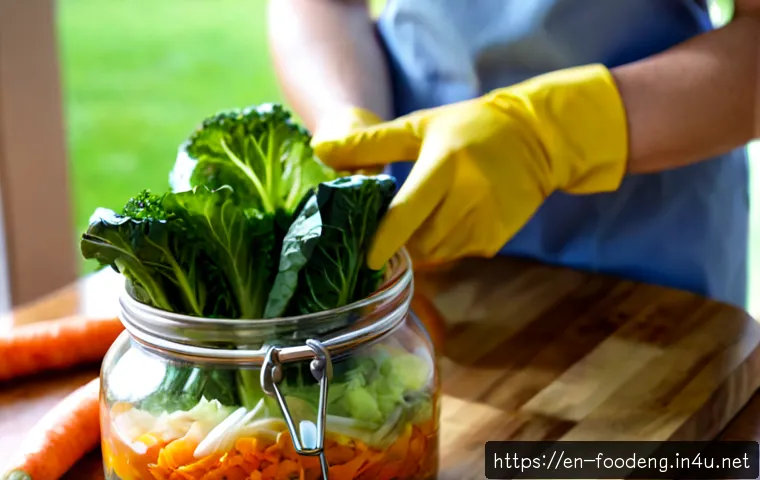
Vegetable ferments are often the most straightforward place to learn the basics: ingredient quality, measured salt, clean tools, and reducing unnecessary exposure to air. A glass jar, a weight, and a digital scale can cover many basic needs.
Yogurt and kefir depend on bacterial activity, while sourdough and bread involve yeasts. Kombucha involves both yeasts and bacteria. Tempeh, miso, soy sauce, and certain cheeses can use selected molds. The more specific the organism and process, the more useful recipe-specific starter cultures and temperature-control tools become.
Natural Fermentation Versus Commercial Starter Cultures
Natural fermentation relies on microorganisms already present in the ingredients or environment. It can be appropriate for some vegetable ferments when the method is followed carefully. However, naturally occurring microbes can produce less predictable outcomes from batch to batch.
Commercial starter cultures are worth considering when consistency matters. They can offer more predictable fermentation than relying only on naturally occurring microbes. This is especially practical for repeat batch makers who want similar flavor, texture, or fermentation behavior each time.
A starter culture is not automatically necessary for every project. It is a selection tool: use it when the recipe calls for it, when the culture is central to the food, or when you want more repeatable results.
Equipment and Ongoing-Cost Comparison for Home Use
A basic jar setup has a low equipment barrier and works well for many vegetable projects. A fermentation crock may be appealing if you make larger or repeated batches and want a vessel designed for fermentation. An airlock vessel can help manage oxygen exposure in recipes where that is a useful consideration.
A digital scale is one of the most broadly useful purchases because it supports salt measurement by weight. A thermometer is useful where temperature affects the method. A pH meter is a more specialized food-safety testing supply: it adds value only when a recipe calls for acidity verification and you understand how to use it correctly.
How to Build a Safer Home Fermentation Setup
Containers, Weights, Airlocks, Scales, and Thermometers
Start with containers that are clean and appropriate for the recipe. Weights can help keep ingredients positioned as intended during a vegetable ferment. An airlock vessel may be useful when managing oxygen exposure is part of your chosen method.
For many home cooks, the practical foundation is simple: clean container, measured ingredients, digital scale, and recipe-appropriate temperature awareness. Buy specialized fermentation equipment after you know which foods you want to make repeatedly.
When a pH Meter or Temperature-Control Device Adds Value
Choose a pH meter only for recipes where acidity verification is relevant. It does not replace correct ingredients, sanitation, or a tested method. If a recipe requires a particular acidity check, use equipment intended for that purpose and follow the recipe’s handling guidance.
Choose a temperature-control device when your project depends on maintaining a suitable temperature or when your kitchen conditions vary. This can be more relevant for consistency-focused projects than for a basic, occasional vegetable ferment.
Cleaning and Ingredient-Handling Practices That Reduce Avoidable Risk
Use clean tools and containers. Begin with good-quality ingredients. Measure salt rather than estimating it. Keep temperature and oxygen exposure aligned with the recipe. These steps influence which microorganisms grow and reduce avoidable uncertainty.

After the food reaches the desired taste, refrigeration can slow continued fermentation and help preserve quality. Storage, processing, and time can also affect whether live microbes remain viable.
Common Mistakes That Affect Safety, Flavor, and Batch Consistency
Guessing Salt Levels Instead of Measuring by Weight
Salt concentration influences microbial growth. Guessing can make a batch less consistent and may move the process away from the recipe’s intended conditions. A digital scale is a practical upgrade because it gives you a repeatable reference point.
Using the Wrong Temperature or Leaving Ingredients Exposed to Air
Temperature and oxygen exposure influence fermentation. A method that works under one set of conditions may not behave the same way in a different container, kitchen, or season. Follow the specific method for the food you are making instead of transferring assumptions from one ferment to another.
Confusing Expected Changes With Signs to Discard a Batch
Fermentation can change acidity, gas, flavor, and texture, but appearance or smell alone cannot confirm safety. Do not use online photos as a final safety test. If you cannot verify that the batch followed an appropriate method, ingredients, measurements, and handling conditions, treat that uncertainty seriously and consult reliable recipe-specific food-safety guidance.
Which Fermentation Approach Fits Your Goal?
Low-Cost First Projects for Curious Home Cooks
If you are learning, a measured vegetable ferment is a sensible starting point. It lets you focus on sanitation, salt measurement, container choice, and refrigeration after the desired taste is reached. You do not need to purchase every fermentation accessory before making your first batch.
Consistency-Focused Options for Frequent Batch Makers
If you make the same food often, prioritize tools that improve repeatability. A digital scale is useful across many methods. Commercial starter cultures can make sense when dependable fermentation is your goal. Temperature-control tools may be worthwhile when the recipe is sensitive to changing room conditions.
When to Buy Starter Cultures, Kits, or Specialized Vessels
Buy a starter culture when the food uses a specific culture or when consistency matters. Consider a fermentation crock or airlock vessel when your batch size, storage space, and repeat-batch goals justify a dedicated setup. A kit can be convenient when it clearly identifies the components needed for a particular food, but it should not replace understanding the method.
Selection Criteria and Comparison Summary
Choose a starter culture when consistency matters. Choose a jar, weight, and digital scale for simple vegetable projects. Choose temperature control when the recipe depends on stable conditions. Choose a pH meter only for recipes where acidity verification is relevant. Consider a crock or specialized vessel when you ferment often enough to benefit from dedicated capacity and handling. Before buying, check the product page for the intended food type, care instructions, included parts, and whether the tool matches your planned batch size.
In Closing
Fermented foods can be simple or highly controlled, depending on the ingredients and microorganisms involved. The best equipment is not necessarily the most specialized option; it is the option that supports your actual recipe and repeat-batch goals. Start with careful measurement, clean handling, and a method suited to the food. Add starter cultures or control tools when they solve a clear consistency or verification need.
Useful Things to Know
Live-microbe content varies. Processing, pasteurization, storage, and time can affect viability. “Probiotic” marketing does not by itself establish a specific strain, dose, or benefit for every consumer. Refrigeration can slow continued fermentation after the flavor is where you want it.
Important Notes
This guide cannot determine the safety of an individual batch. The exact live culture count in homemade or store-bought food requires product-specific testing, and a fermented food cannot be assumed to deliver a particular health outcome for a specific person. Use recipe-specific guidance for fermentation time, temperature, container size, and ingredient combinations.
Frequently Asked Questions
Q1. Are fermented foods always safe to make at home?
A1. No. Acidification can help inhibit many unwanted microbes, but it does not make every fermentation method equally safe. Safety depends on the food, recipe, sanitation, salt concentration where relevant, temperature, oxygen exposure, and proper handling. Do not confirm safety from appearance, smell, or photos alone.
Q2. Do I need to buy a starter culture for yogurt, vegetables, or kombucha?
A2. Not every project requires a purchased starter culture. Natural fermentation can be suitable for some vegetable ferments, while commercial cultures can provide more predictable fermentation. Choose a starter culture when the recipe uses a specific culture or when consistency matters across batches.
Q3. Is a fermentation crock worth the cost compared with a glass jar?
A3. A glass jar can be enough for basic, small-scale vegetable fermentation. A fermentation crock may be worth considering if you make repeated or larger batches and want a dedicated vessel. Compare storage space, batch size, cleaning needs, and whether a weight or airlock arrangement better fits your preferred method.