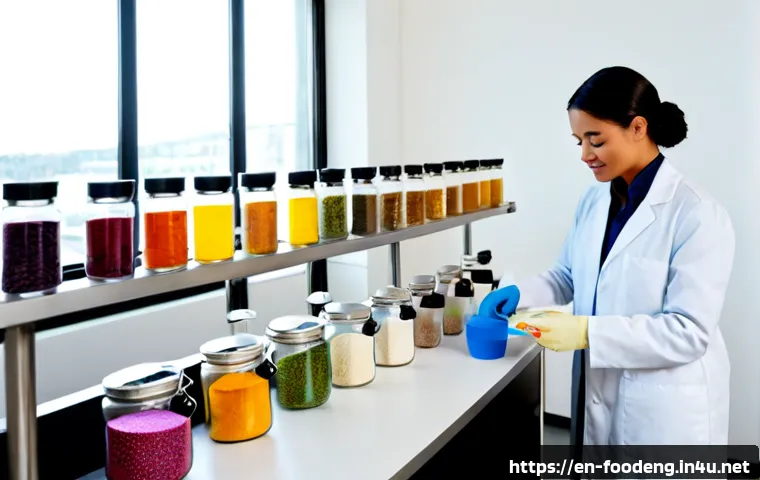
A food ingredient project is best planned in stages: define the product brief, confirm feasibility, build prototypes, validate performance, and prepare for pilot-scale or commercial production.
Specialized food laboratories, formulation consultants, pilot plants, and contract manufacturers are most useful when your internal team lacks equipment, testing capacity, or scale-up experience.
The right development path depends on your product’s function, processing conditions, documentation needs, and commercial stage. Starting with a stable brief can prevent expensive reformulation after a pilot run.
Before comparing formulation services or manufacturing quotes, clarify what must be proven and what can wait until later validation. No partner can reliably confirm final shelf life, yield, sensory acceptance, or market compliance without product-specific trials.
At a Glance
- Start with a clear product brief, then screen feasibility before investing in extensive prototype or pilot work.
- Ingredient performance may change with pH, temperature, water activity, processing, packaging, and shelf-life conditions.
- Use external formulation, laboratory testing, or contract manufacturing support when specialized equipment or scale-up expertise is needed.
| Development Option | Best Use Case | Internal Resources Needed | Main Cost Drivers |
|---|---|---|---|
| In-house R&D | Early concept screening and frequent formula iteration | Technical staff, bench equipment, supplier access, documentation process | Staff time, ingredients, internal testing, equipment capacity |
| Independent Food Laboratory | Specialized validation, stability work, microbiological testing, or analytical support | Clear samples, specifications, test objectives, and intended-use details | Test scope, sample handling, repeat testing, reporting requirements |
| Formulation Consultant | Technical direction, ingredient selection, reformulation, and troubleshooting | Decision-maker availability and access to commercial requirements | Project scope, revisions, ingredient research, documentation support |
| Pilot Plant or Contract Manufacturer | Scale-up planning and commercial production preparation | Stable formula, processing targets, packaging direction, supply plan | Pilot production, setup, raw materials, packaging, manufacturing scope |
What a Successful Ingredient Project Needs Before Lab Work Begins
The Three-Line Answer: Define the Target Product, Validate Feasibility, Then Test Scale-Up Risk
A practical food ingredient development process begins with a product brief, not a broad request to “make something similar.” Define the intended function, identify the conditions the ingredient must survive, and decide which uncertainties should be tested first. Once a bench prototype appears feasible, the next concern is whether performance will hold during processing, packaging, storage, and larger production runs.
The costly mistake is moving into pilot production while core decisions are still changing. If the desired flavor, texture, format, allergen position, or processing method is unsettled, a pilot run may reveal problems that could have been addressed earlier at bench scale.
Build a Product Brief Around Function, Format, Target Consumer, Shelf Life, and Price Position
A useful brief tells internal teams or external formulation services what success looks like. Describe the ingredient’s function: for example, whether it needs to contribute texture, flavor, dispersion, stability, nutrition, or another intended effect. Also state the finished format, the target consumer, expected shelf-life conditions, packaging direction, and price position.
It helps to separate must-haves from preferences. A product may need to disperse in a beverage, remain stable during heating, or fit a particular nutrition target. A preferred color or flavor profile can be treated differently from a non-negotiable processing limit. This distinction gives a food lab or formulation consultant a clearer basis for prototype work and quote scope.
Identify Non-Negotiables Before Ingredient Screening
List the requirements that cannot be traded away. These may include allergen controls, clean-label goals, nutrition targets, sourcing expectations, and processing limitations. A formula that performs well in a small sample is not automatically appropriate if its supplier documentation, allergen position, or commercial supply profile does not fit the project.
Be specific about what is known and what is still open. A team may know its desired use case but not yet know whether a proposed ingredient is suitable or permitted for a specific country or sales channel. Those questions require appropriate regulatory and market review before a final formula or claim is approved.
Compare In-House Development, Food Labs, and Contract Manufacturing
When Internal R&D Is the Practical Option
In-house development is often practical when a team has experienced technical staff, basic formulation capability, and enough time to run repeated bench trials. It gives the business close control over early decisions, including ingredient screening and prototype direction. It can also be useful when multiple formula iterations are expected.
However, internal capability does not remove the need for specialized work. A team may still need external laboratory testing for certain validation activities or a pilot facility to understand how production conditions affect the product. Internal testing should not be treated as final proof of commercial performance.
When a Formulation Consultant or Specialist Lab Adds Value
A formulation consultant can add value when the project needs technical direction, ingredient sourcing support, or help resolving a difficult performance issue. A specialist food laboratory may be a better fit when the main need is defined testing, such as stability, microbiological, sensory, or shelf-life assessment where relevant.
Before engaging either partner, provide the product brief, intended use, processing information, and available supplier documentation. Ask whether the proposed scope covers bench prototypes only or also includes support for supplier review, validation planning, and pilot-scale transition. Scope clarity matters more than a simple comparison of headline service descriptions.
When a Pilot Plant or Co-Manufacturer Should Be Involved Early
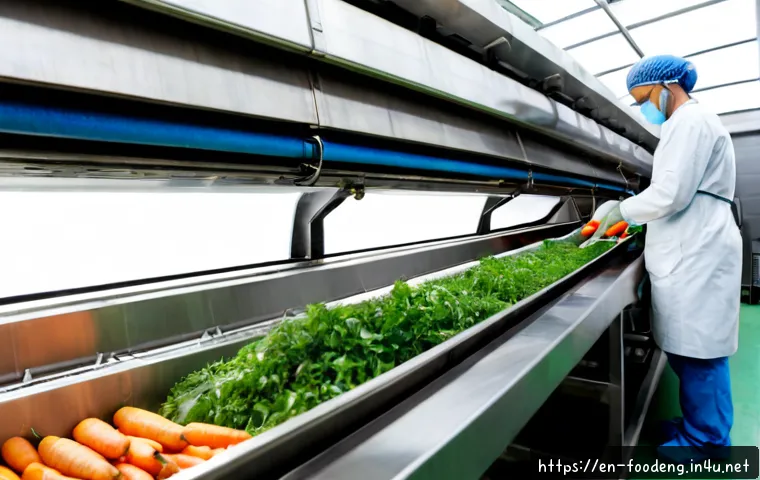
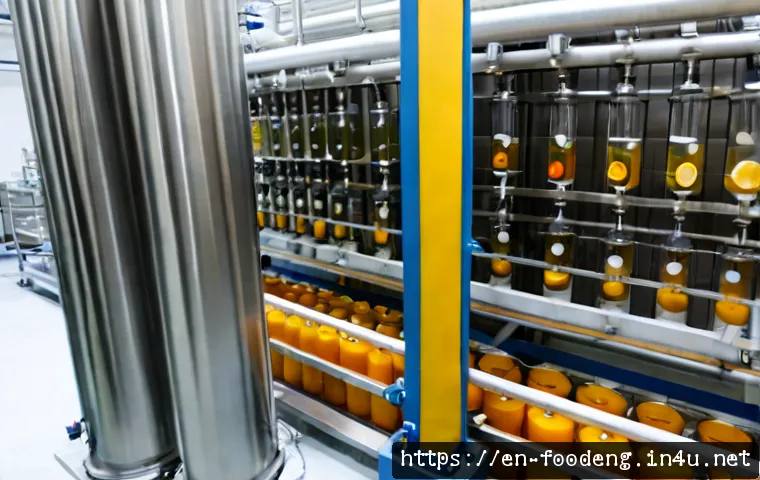
A pilot plant or contract manufacturer should be involved early when processing conditions are central to performance. Heating, mixing, drying, filling, packaging, and other production steps can change texture, flavor, dispersion, yield, and unit economics. Early technical discussion can identify equipment constraints before the formula becomes difficult to modify.
This does not always mean commissioning a pilot run immediately. First confirm that the brief is stable enough to test. Ask what information the manufacturing partner needs, which raw materials are acceptable, and how pilot work is separated from commercial production planning.
Comparison Criteria: Capability, Equipment, Terms, and Quote Scope
Compare providers using the same criteria. Review their relevant product experience, available equipment, expected communication process, confidentiality terms, intellectual-property terms, revision limits, sample requirements, and scale-up support. A lower initial quote may cover fewer iterations, less documentation, or no assistance after a bench formula is selected.
For B2B formulation services and contract manufacturing comparisons, focus on the scope assumptions. Confirm whether ingredients, packaging, laboratory testing, pilot production, and technical reporting are included or handled separately.
Build and Test the Formula Without Creating Expensive Rework
Screen Ingredients for Technical Fit, Supply Continuity, Documentation, and Cost Contribution
Ingredient sourcing is not only a purchasing task. Each candidate ingredient should be reviewed for technical fit, supply continuity, documentation, and likely contribution to the finished product’s cost structure. Supplier information may include specifications, certificates of analysis, allergen statements, traceability information, and quality-system records.
Requesting documentation early reduces delays later. If a supplier cannot provide the records needed for your quality review or labeling process, that issue is better found before the ingredient becomes central to the formula.
Test Performance Under Relevant Conditions
Prototype testing should reflect the conditions the product is expected to face. Ingredient behavior can shift with pH, temperature, water activity, processing method, packaging, and storage conditions. Evaluate the characteristics that matter to the use case, such as texture, flavor, solubility, stability, dispersion, and processing compatibility.
Keep trials organized. Change one meaningful variable at a time when possible, record the formula and process conditions, and note what was observed. When several variables change at once, it becomes harder to identify what caused an improvement or failure.
Plan Sensory, Shelf-Life, Microbiological, and Packaging Assessments Where Relevant
Not every project needs the same validation plan. Depending on the product category and intended use, sensory evaluation, stability testing, microbiological testing, shelf-life assessment, and packaging assessment may be relevant. The appropriate scope depends on the actual product, process, market, and sales channel.
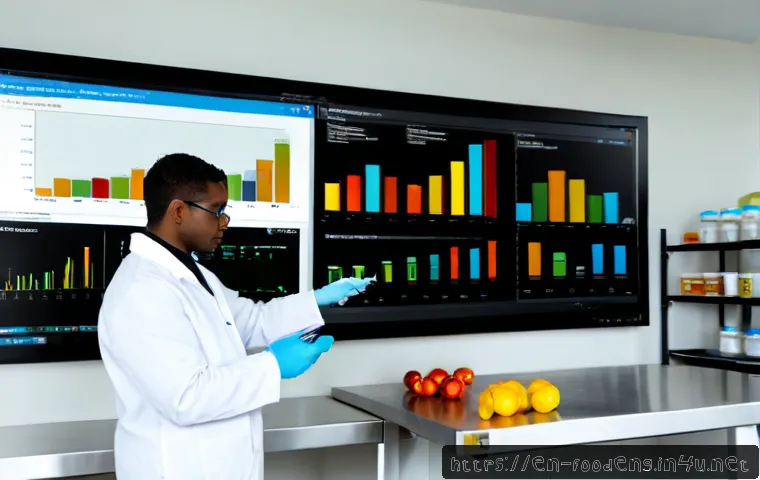
A food testing provider can help define a test plan, but final requirements should be confirmed for the specific product and applicable market. Do not assume that a successful bench sample establishes shelf life or commercial stability.
Common Mistakes That Create Rework
Two common problems are changing multiple variables in a single trial and approving a formula before scale-up work. Another is treating a promising ingredient sample as a fully qualified supply solution. A formula can look acceptable at bench scale while commercial processing reveals changes in flavor, texture, yield, or dispersion.
Use stage gates: approve the brief before development, approve prototype direction before broad validation, and approve pilot work only after the formula and documentation plan are sufficiently stable.

Plan for Compliance, Supply Risk, and Commercial Production
Review Specifications, Allergen Controls, Traceability, and Quality Documentation
Before finalizing an ingredient or formula, review the available specifications and quality documentation. This may include allergen statements, certificates of analysis, traceability information, and quality-system records. These materials help a team understand what it can verify and what may require follow-up with suppliers or external partners.
Documentation should match the actual ingredient and supply route being considered. Do not rely on generic descriptions when the selected supplier, specification, or manufacturing arrangement may differ.
Consider Labels, Nutrition Information, and Claims Before Finalizing the Formula
Food labels and claims generally require review of ingredient specifications, allergens, nutrition data, and applicable market regulations. This work should begin before the formula is treated as final, especially where a proposed claim or ingredient status could affect product positioning.
Claims review is not a copywriting step. It is part of development planning. Whether an ingredient is permitted, suitable, or claim-compliant in a particular country or channel must be checked for the specific situation.
Evaluate Supply Continuity and Batch Consistency
Commercial readiness also includes supplier lead times, minimum order expectations, alternate sources, and batch consistency. A technically suitable ingredient can still create risk if its supply profile does not support the intended launch plan. Discuss whether alternatives would need separate trials and whether changing suppliers could affect finished-product performance.
Understand Why Pilot Runs Can Change Yield, Texture, and Unit Cost
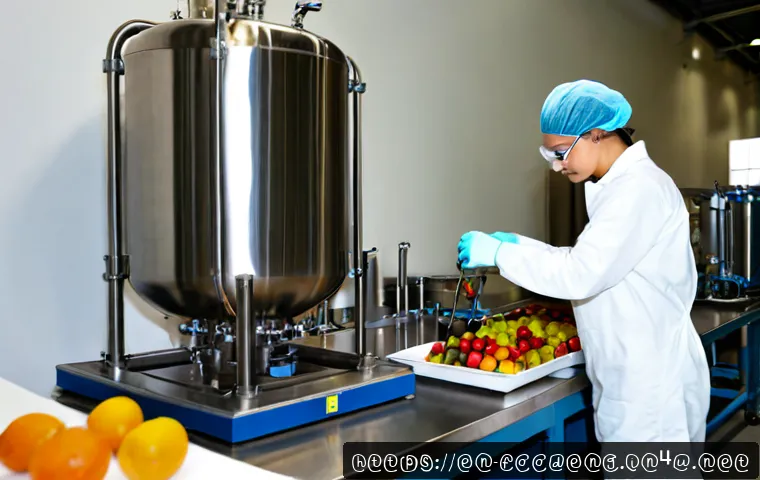
Moving from bench-scale work to commercial production can affect texture, flavor, dispersion, yield, and unit economics. Production equipment does not always reproduce small-scale mixing or heating conditions. That is why pilot-scale work is a risk-reduction step, not merely a larger version of the original recipe.
Choose the Right Development Path for Your Product Stage
Early-Stage Startups Validating Product-Market Fit
Early-stage teams usually benefit from a focused brief and disciplined feasibility work. Avoid commissioning broad testing or large pilot activity before the product direction is stable. A formulation consultant may help structure the work, while a food laboratory can support targeted validation when the prototype reaches that stage.
Established Brands Reformulating for Cost, Labeling, or Supply Resilience
Established brands often have a different challenge: maintaining familiar performance while changing a cost driver, supplier, labeling position, or supply route. Start by defining which attributes cannot change, then test the replacement or revised formula under relevant conditions. Involve quality, procurement, operations, and labeling stakeholders early.
Functional, Fortified, Plant-Based, or Shelf-Stable Products
These products can require especially careful evaluation because performance may be sensitive to processing and storage conditions. The formula should be reviewed for intended functionality, sensory impact, stability, supplier documentation, and scale-up compatibility. Specialized testing or pilot production may be worth considering when those risks cannot be meaningfully evaluated with internal resources alone.
Selection Criteria and Comparison Summary
Before requesting a formulation, laboratory testing, pilot production, or contract manufacturing quote, check the following:
- Capability fit: Can the provider handle your format, processing needs, and intended validation stage?
- Scope clarity: Does the quote explain prototypes, revisions, sample quantities, testing, reporting, and scale-up support?
- Documentation: Are supplier specifications, allergen statements, certificates of analysis, and traceability records available where needed?
- Commercial assumptions: Have ingredient sourcing, minimum orders, packaging needs, and production constraints been discussed?
- Risk ownership: Is it clear which party is responsible for testing coordination, compliance review, and commercial production decisions?
When comparing food labs, formulation consultants, pilot facilities, or contract manufacturers, review the official service details and quote conditions on the relevant provider page before committing to a scope.
Closing Thoughts
Food ingredient development works best when the team treats it as a sequence of decisions rather than one large project. A strong brief, controlled prototype work, relevant validation, and realistic scale-up planning can reduce avoidable rework. Internal R&D, external laboratories, consultants, and manufacturers can all play useful roles when their responsibilities are defined clearly. The best option is the one that matches your current technical gap and commercial stage.
Useful Information to Keep in Mind
Keep one current formula record: Track ingredients, specifications, process conditions, and changes across trials.
Ask for documents early: Supplier documentation can affect quality review, allergen planning, traceability, and labeling decisions.
Separate proof from preference: A preferred flavor direction is different from a required processing or compliance condition.
Use pilot work strategically: Pilot production is most useful after the formula brief is stable enough to test real scale-up risk.
Important Notes
Development cost, timeline, minimum order quantity, required testing, and commercial yield vary by product and project scope. A specific ingredient’s suitability, permitted use, or claim compliance must be reviewed for the relevant country and sales channel. Final sensory performance, shelf life, and manufacturing output cannot be confirmed without product-specific trials and validation. The financial outcome of in-house development versus outsourcing also depends on the business’s own capabilities and commercial requirements.
Frequently Asked Questions
Q1. How much does food ingredient development cost?
A1. The cost depends on the project scope, number of prototype rounds, ingredient sourcing needs, laboratory testing, pilot production requirements, packaging work, and manufacturing support. Request quotes based on a clear product brief and compare what each scope includes rather than relying on a single broad estimate.
Q2. Should a small food brand hire a formulation consultant or work directly with a contract manufacturer?
A2. It depends on the brand’s internal technical resources and product stage. A formulation consultant may be useful when the formula direction is still unclear or technical troubleshooting is needed. A contract manufacturer may be appropriate when the formula is stable enough to discuss production conditions, equipment compatibility, and scale-up planning. Some projects need both types of support at different stages.
Q3. What testing is usually needed before launching a new food ingredient or reformulated product?
A3. Depending on the product category and intended use, relevant work may include sensory evaluation, stability testing, microbiological testing, shelf-life assessment, packaging assessment, and review of ingredient specifications, allergens, nutrition data, and applicable regulations. The exact validation plan should be determined for the specific product and market.